National Holidays in Cape Verde: A Cultural & History Guide
Floating in the central Atlantic Ocean, the archipelago of Cape Verde (Cabo Verde) is a nation defined by its “Morabeza”—a unique spirit of hospitality, resilience, and cultural fusion. To understand the heart of this ten-island nation, one must look at its calendar. Cape Verdean national holidays are not merely days off from work; they are vibrant expressions of a long struggle for sovereignty and a deep-seated pride in a hybrid identity that blends African roots with Portuguese influences.
From the solemnity of Heroes’ Day to the rhythmic explosions of Carnival, these holidays provide a window into the soul of the islands. Whether you are a traveler planning a visit or a history enthusiast, here is a guide to the most important national holidays in Cape Verde and the stories behind them.
1. January 13th: Democracy and Freedom Day (Dia da Liberdade e Democracia)
While New Year’s Day is celebrated with gusto across the islands, January 13th holds a specific political significance. This holiday commemorates the first multi-party elections held in Cape Verde in 1991. For fifteen years following independence in 1975, the country was a one-party state under the PAICV (African Party for the Independence of Cape Verde).
The transition to a multi-party democracy was a peaceful and landmark moment in African history, setting Cape Verde on a path to becoming one of the most stable and democratic nations on the continent. Today, the day is marked by political speeches, academic forums, and cultural events reflecting on the importance of civil liberties and the democratic process.
2. January 20th: Heroes’ Day (Dia dos Heróis Nacionais)
If there is one date that evokes the most profound sense of patriotism in Cape Verde, it is January 20th. This holiday honors those who fought for the independence of Cape Verde and Guinea-Bissau from Portuguese colonial rule. Specifically, it marks the anniversary of the assassination of Amílcar Cabral in 1973.
The Legacy of Amílcar Cabral
Amílcar Cabral is the father of the Cape Verdean nation. An agronomist, poet, and revolutionary, he led the PAIGC (African Party for the Independence of Guinea and Cape Verde). Although he was assassinated in Conakry just two years before his dream of independence was realized, his intellectual and military leadership remains the cornerstone of Cape Verdean identity. On this day, citizens lay wreaths at his statues, particularly in the capital city of Praia, and schools focus on teaching the history of the liberation struggle.
3. February/March: Carnival (Entrudo)
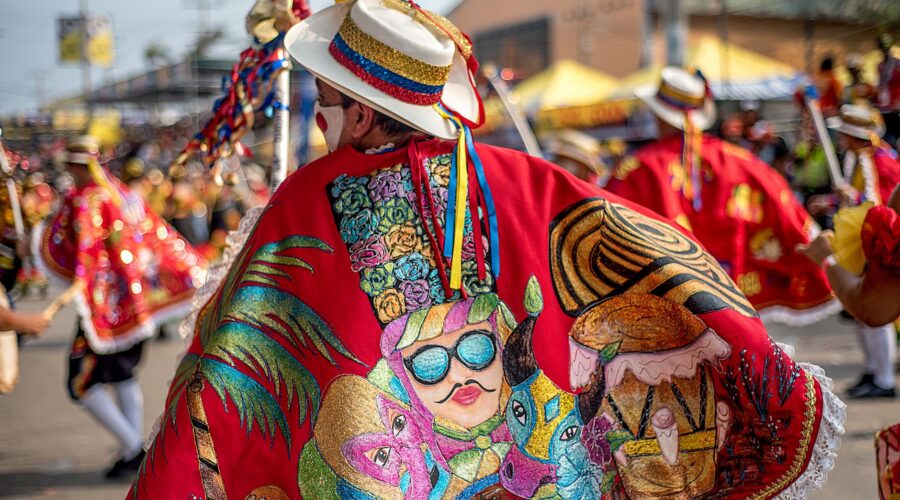
While not a “fixed” date like the others, Carnival is perhaps the most visually spectacular event in Cape Verde. While it has its roots in the Catholic tradition of a final feast before Lent, the Cape Verdean Carnival has evolved into a unique cultural phenomenon that rivals the celebrations in Brazil.
The island of São Vicente, specifically the city of Mindelo, is the epicenter of these festivities. Influenced by the Portuguese “Entrudo” and later by Brazilian samba traditions, Mindelo’s Carnival features elaborate floats, synchronized dance troupes, and dazzling costumes. The origins of this holiday lie in the islands’ ability to fuse European traditions with African rhythms, creating a spectacle of music, color, and “Joie de vivre” that draws thousands of international tourists every year.
4. May 1st: Labour Day (Dia do Trabalhador)
Like much of the world, Cape Verde observes International Workers’ Day. However, in Cape Verde, this day often coincides with local municipal festivals, most notably on the island of Fogo. The “Festa da Bandeira” (Festival of the Flag) in São Filipe starts in late April and culminates around May 1st. It is a stunning display of horse racing, traditional drumming (the Canizade), and the preparation of ritual foods, blending the celebration of labor with centuries-old island traditions.
5. July 5th: Independence Day (Dia da Independência Nacional)
July 5th is the most significant date in the nation’s history. It marks the day in 1975 when Cape Verde finally gained its sovereignty from Portugal, ending five centuries of colonial rule. The struggle for independence in Cape Verde was unique; unlike many other African colonies, there was no armed conflict on the islands themselves. Instead, the fight was carried out through political mobilization and the guerrilla war in Guinea-Bissau.
Independence Day is celebrated with military parades in the capital, street parties, and music festivals. It is a day of immense joy, where the national flag—with its circle of ten stars representing the islands—is flown proudly from every balcony. The air is filled with the sounds of Coladeira and Funaná, and families gather for traditional meals of Cachupa.
6. August 15th: Assumption Day (Nossa Senhora da Graça)
Cape Verde is a predominantly Catholic country, and religious holidays are deeply woven into the social fabric. August 15th is a public holiday celebrating the Assumption of Mary. While it is a religious feast, it serves as a major homecoming for the Cape Verdean diaspora.
During August, the “Luso-Americans” and those living in Europe return to the islands, turning the holiday into a massive celebration of family and community. In Praia, the festivities for the city’s patron saint (Nossa Senhora da Graça) involve processions, sports competitions, and open-air concerts.
7. November 1st: All Saints’ Day (Dia de Todos os Santos)
This is a day of remembrance and tradition. Cape Verdeans visit cemeteries to clean and decorate the graves of their loved ones with flowers and candles. In the rural areas, a unique culinary tradition persists: the “Santinhos.” Children go from house to house, and neighbors exchange gifts of food, such as corn, beans, and sweets. It is a poignant day that highlights the Cape Verdean value of honoring one’s ancestors and maintaining family ties across generations.
8. December 25th: Christmas Day (Natal)
Christmas in Cape Verde is less about the commercialism found in the West and more about religious devotion and family togetherness. The “Missa do Galo” (Midnight Mass) is a central event on Christmas Eve. The holiday season is also a time when the traditional music of the islands takes a festive turn, and the spirit of Morabeza is at its peak as doors are opened to neighbors and strangers alike.
Practical Information for Travelers
If you are planning to visit Cape Verde during these holidays, here are a few tips:
- Business Closures: On national holidays, government offices, banks, and many shops will be closed. Plan your currency exchanges and essential shopping accordingly.
- Inter-Island Travel: Dates like Independence Day and Carnival see a surge in domestic travel. Book your internal flights (BestFly Cabo Verde) or ferries (CV Interilhas) well in advance.
- Participation: Cape Verdeans are incredibly welcoming. If you find yourself in a town during a local festival or national holiday, don’t be afraid to join the public celebrations. It is the best way to experience the authentic culture of the islands.
Conclusion
The holidays of Cape Verde are more than just dates on a calendar; they are a rhythmic heartbeat that connects the islands’ tumultuous past with their hopeful future. From the revolutionary echoes of Amílcar Cabral to the thumping drums of Carnival, these celebrations offer a profound insight into a nation that is small in size but immense in spirit. Understanding these holidays is the first step in truly understanding Cape Verde.
Image: Pexels – Jimmy Casas ospina