Lusophone Nations Urged to Expand Debt-for-Climate Swaps
The Portuguese environmental association Zero is calling for an expansion of “debt-for-climate” swaps across the Portuguese-speaking world, urging Portugal to leverage its unique colonial history into a leadership role for climate justice ahead of the COP31 summit.
A Recipe for Resilience
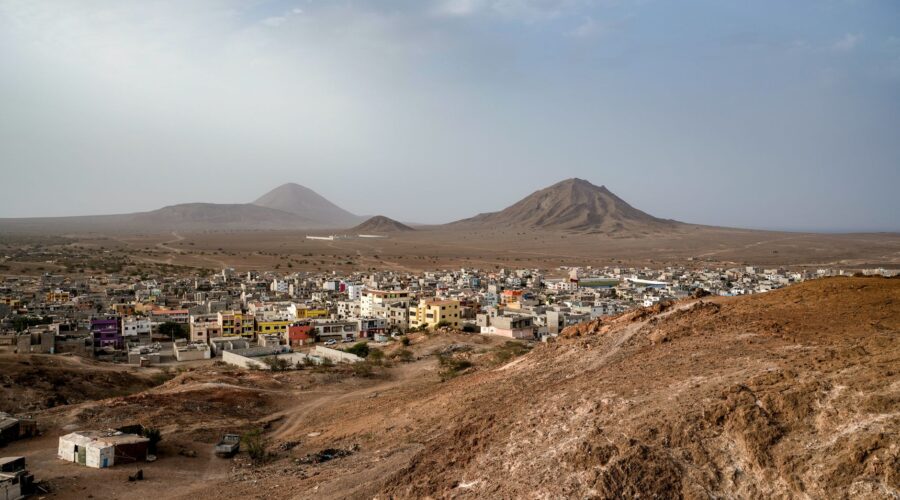
The call to action took place during the “Cachupa for the Climate” initiative in Lisbon. By serving cachupa—a traditional Cape Verdean slow-cooked stew—the NGO aimed to symbolize the direct link between Lusophone culture and the devastating impact of global warming on food security. Cape Verde, an archipelago in the central Atlantic, has faced increasingly severe droughts and violent storms that threaten its agricultural heritage.
“Food, population, health, migration, and the landscape are all at stake,” said Francisco Ferreira, president of Zero. “This initiative allows us to connect the food on our plates with the urgent need to reduce global emissions.”
Expanding the Debt Swap Model
Ferreira highlighted the success of a recent agreement between Portugal and Cape Verde, which converted €12 million of the archipelago’s debt into a dedicated climate fund. These funds are now being used to bolster Cape Verde’s energy sovereignty and fund adaptation measures against rising sea levels and agricultural disruption.
Ferreira described the debt-for-climate mechanism as a “very intelligent formula” and argued that the model must be replicated in other Lusophone nations, specifically pointing to São Tomé and Príncipe as the next logical candidate.
The Roadmap to COP31
As the international community prepares for the 31st United Nations Climate Change Conference (COP31), Zero has outlined a three-pillar manifesto focused on:
- Climate Justice and Social Inclusion: Ensuring developed nations, historically responsible for industrial-era emissions, provide direct support to vulnerable populations.
- Financing for Adaptation: Prioritizing financial aid for nations like Guinea-Bissau, Timor-Leste, and São Tomé and Príncipe.
- A Just Energy Transition: Moving toward renewable sources without hindering economic development.
To streamline these efforts, Ferreira proposed the creation of a “Lusophone Climate Action Fund.” This specialized fund would cut through the bureaucratic red tape of the Paris Agreement to deliver targeted resources for mitigation and adaptation.
“There is no colonialist vision here,” Ferreira emphasized. Instead, he noted that the goal is to help these nations bypass the carbon-heavy mistakes of the past and use available resources to project “a transition within a vision of the future.”
Image: Pexels – Nico Marín