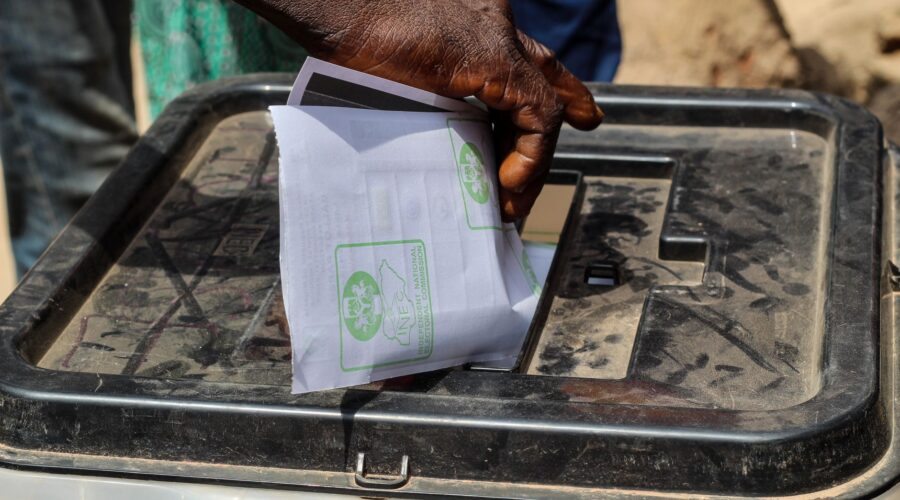
São Tomé and Príncipe Poised for Peaceful Election
The upcoming presidential elections in São Tomé and Príncipe are on track to be the most tranquil in the nation’s history, according to international observers from the Community of Portuguese Language Countries (CPLP).
Ambassador João Bernardo de Miranda, the head of the CPLP observation mission and former Foreign Minister of Angola, shared an optimistic outlook following the mission’s first day on the ground. “Our mission has been recording good signs that these elections will be the most peaceful ever,” Miranda stated, noting a distinct lack of political tension or worrying confrontations during the final stretch of the campaign.
Miranda expressed hope that the vote would serve as a “celebration of democracy,” bolstering São Tomé and Príncipe’s standing and credibility on the international stage.
A Robust Observation Team
The 16-member CPLP mission includes diplomats, technical experts, and representatives from the organization’s Parliamentary Assembly. The team will remain in the country until Wednesday, July 22, to monitor every critical phase of the process, including the close of the campaign, polling day operations, the counting of votes, and the official tallying of results.
The CPLP has a long history of democratic oversight, beginning with the Timor-Leste referendum in 1999. In recent years, the organization has deployed teams to observe high-stakes elections in Angola, Guinea-Bissau, Mozambique, and Cape Verde.
The Race for the Presidency
A total of 142,191 voters are registered to cast their ballots on Sunday, July 19. This includes a significant diaspora population, with over 20,000 citizens registered to vote from five European and four African countries.
The Constitutional Court has cleared five candidates for the race:
- Carlos Manuel Vila Nova: The incumbent president seeking re-election.
- Eugénio Rodrigues da Trindade Tiny
- Nito de Sousa Viegas D’Abreu
- Miques João do Nascimento de Jesus Bonfim
- Jorge Bom Jesus: The former official who announced his withdrawal from the race after the legal deadline had passed.
As the island nation prepares for the vote, the absence of the “confrontational” atmosphere seen in previous cycles suggests a maturing democratic process for one of Africa’s more stable democracies.
Image: Pexels – Fatima Yusuf