Lentilha de Santo Antão: The Soul of Cape Verde’s Paúl Valley
High above the rugged, emerald slopes of Santo Antão, the northernmost inhabited island of Cape Verde, lies the Paúl Valley. Known as the archipelago’s most verdant sanctuary, it is a place where vertical agriculture defies gravity and ancient traditions remain anchored in the volcanic soil. Among these traditions, none is more culturally evocative or socially significant than the Lentilha de Santo Antão—the communal lentil harvest.
More than just a seasonal agricultural task, the lentil harvest in Paúl is a living tapestry of “Morabeza” (the legendary Cape Verdean hospitality), cooperative labor, and rhythmic oral history. To understand the Lentilha de Santo Antão is to understand the soul of the mountain people (Gente das Montanhas) and their centuries-old struggle to turn a harsh landscape into a bountiful home.
The Vertical Garden: Why Lentils Matter in Paúl
The Paúl Valley is a geographical marvel. Deep ravines are carved into the basaltic rock, fed by natural springs that allow for the cultivation of sugarcane, coffee, and bananas. However, as one ascends toward the higher, more arid ridges known as the planaltos, the crops change. Here, the Cape Verdean lentil (Lens culinaris) reigns supreme.
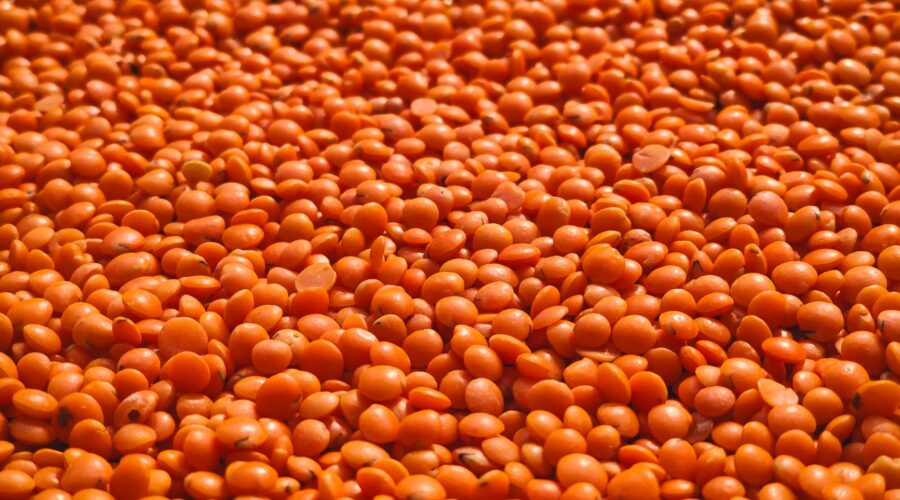
Introduced during the Portuguese colonial era, lentils became a staple for the rural population due to their resilience and high nutritional value. In a landscape where protein was often scarce and meat was reserved for festivities, the lentil became known as the “meat of the poor.” Yet, over time, it transcended this humble label to become a gourmet symbol of the island’s identity. The lentils of Santo Antão are distinct—smaller, earthier, and more flavorful than imported varieties, tempered by the Atlantic mist and the mineral-rich volcanic earth.
The Social Fabric of the Harvest: The ‘Djunta-Mon’
The true significance of the Lentilha de Santo Antão lies not in the plant itself, but in the method of its harvest. In Cape Verdean Creole, the concept of Djunta-Mon (joining hands) refers to a system of mutual aid and communal labor. Because the lentil plots are often located on precariously steep terraces (socalcos) where machinery is useless, the harvest requires a massive human effort.
When the lentil pods turn a dusty golden-brown, the call goes out across the valley. Neighbors, cousins, and friends from surrounding villages gather at daybreak. This is not a paid workforce; it is a social contract. Today, we harvest my field; tomorrow, we move to yours. This collective action reinforces the social safety net of the mountains, ensuring that no family is left behind due to age or infirmity.
The Ritual of the Harvest Day
A typical harvest day in Paúl is a sensory explosion. It begins in the cool, pre-dawn air as workers trek up the winding stone paths (caminhos vicinais). The work is back-breaking—stooping over the low-growing plants, pulling them by the roots, and gathering them into bundles. However, the atmosphere is far from somber.
The air is filled with Cantigas de Trabalho (work songs). These rhythmic chants and melodies serve a dual purpose: they pace the physical labor and provide a medium for storytelling. Through song, the community recounts local gossip, celebrates historical figures, and laments the hardships of the seca (drought). This oral tradition turns the field into a classroom where the younger generation learns the history of their ancestors.
From Field to Table: The Gastronomic Reward
The harvest culminates in a communal feast that is as much a part of the tradition as the picking itself. After the lentils are threshed and winnowed—a process where the wind is used to separate the grain from the chaff—the “owner” of the field provides a massive meal for all who participated.
The star of the show is, naturally, the Lentilha com Carne de Porco (lentils with pork) or Lentilha com Peixe Seco (lentils with dried fish). Slow-cooked in heavy iron pots over wood fires, the lentils are seasoned with local garlic, onions, and bay leaves. The resulting stew is thick, creamy, and deeply satisfying. This meal is a celebration of food sovereignty; almost every ingredient on the plate, from the legumes to the tubers (cassava and yams), was grown within sight of the table.
Symbolism and the “Soul of the Mountain”
For the people of the Paúl Valley, the lentil harvest is a symbol of resilience. Santo Antão has historically suffered from devastating droughts and the isolation of its rugged terrain. The ability to grow, harvest, and share this crop represents a victory over an unforgiving environment.
Furthermore, the tradition serves as a powerful counter-narrative to the “brain drain” affecting many rural parts of Cape Verde. As younger generations migrate to the cities of Mindelo or Praia, or abroad to Europe and the US, the annual harvest acts as a cultural anchor. Many emigrants attempt to return during the harvest season, or at the very least, expect a bag of “real” Santo Antão lentils to be sent to them in the diaspora. To eat these lentils in Lisbon or Boston is to taste the dust and wind of the Paúl ridges.
The Modern Challenge: Preservation and Tourism
While the tradition remains strong, it faces modern challenges. Climate change has made rainfall patterns increasingly unpredictable, threatening the rain-fed lentil crops. Additionally, the labor-intensive nature of the Djunta-Mon is at risk as the rural population ages.
However, there is a burgeoning movement to preserve the Lentilha de Santo Antão through sustainable tourism. Travelers are increasingly seeking “slow travel” experiences, and the Paúl Valley is a prime destination. Some local guesthouses now offer visitors the chance to witness or participate in the harvest, providing a source of income that helps keep the tradition viable without commercializing its soul.
Practical Information for Travelers
If you wish to experience the social history of the Paúl Valley, timing and respect are key:
- Seasonality: The lentil harvest typically occurs between late spring and early summer, depending on the timing of the previous year’s rains.
- Location: Focus on the upper reaches of the Paúl Valley, such as the areas around Cabo da Ribeira or the paths leading toward Cova de Paúl.
- Etiquette: The harvest is a communal labor, not a performance. Always ask permission before taking photographs, and if you are offered a bowl of lentils, accept it with gratitude—it is the highest form of hospitality.
Conclusion
The Lentilha de Santo Antão is more than a legume; it is a vessel for the history, music, and communal spirit of Cape Verde. In the golden light of a Paúl afternoon, as the songs of the harvesters echo off the canyon walls, one realizes that this tradition is the glue that holds these mountain communities together. It is a reminder that in a world of increasing isolation, there is still profound power in “joining hands” to harvest the fruits of the earth.
Image: Pexels – Anshu Kumar