Francisco Carvalho Sworn In as Cape Verde Prime Minister
In a ceremony signaling a major political shift for Cape Verde, Francisco Carvalho will be sworn in as Prime Minister today. The President of the Republic is set to induct Carvalho and his African Party for the Independence of Cape Verde (PAICV) cabinet during a 5:00 PM ceremony in the gardens of the Presidency in Praia.
A Mandate for Change
The inauguration follows the legislative elections on May 17, where the PAICV secured an absolute majority, ousting outgoing Prime Minister Ulisses Correia e Silva. The victory brings an end to a decade of governance by the Movement for Democracy (MpD).
Carvalho, the former mayor of the capital city, campaigned on a platform of fiscal reform and expanded social services. He has vowed to “reduce the fat” of the state, promising to redirect government waste toward public benefits. His signature pledges include making inter-island transport more affordable and providing free access to both healthcare and higher education.
Modernizing the Economy
Beyond social spending, the new Prime Minister intends to overhaul Cape Verde’s bureaucracy. In a recent interview, Carvalho expressed his desire for a “public administration as fast as the mind of an entrepreneur,” arguing that a more agile government is essential for stimulating the private sector and accelerating job creation.
Historical Milestones in Parliament
The transition of power began in earnest on Thursday during the inaugural session of parliament. Bolstered by their 37 seats in the 72-member National Assembly, the PAICV elected Janira Hopffer Almada as President of the National Assembly. Almada, a former minister and party leader, makes history as the first woman to hold the prestigious position in Cape Verde.
A Closer Look at the Results
While the PAICV celebrated a clear victory, the election results revealed a divided electorate and significant voter fatigue:
- PAICV: 48.04% (90,660 votes)
- MpD: 44.75% (84,458 votes)
- UCID: 5.2% (9,812 votes)
Despite the high stakes, the election was marked by a record-breaking abstention rate. More than half of all registered voters—53.5%—did not head to the polls, leaving the new government with the immediate challenge of re-engaging a disillusioned public.
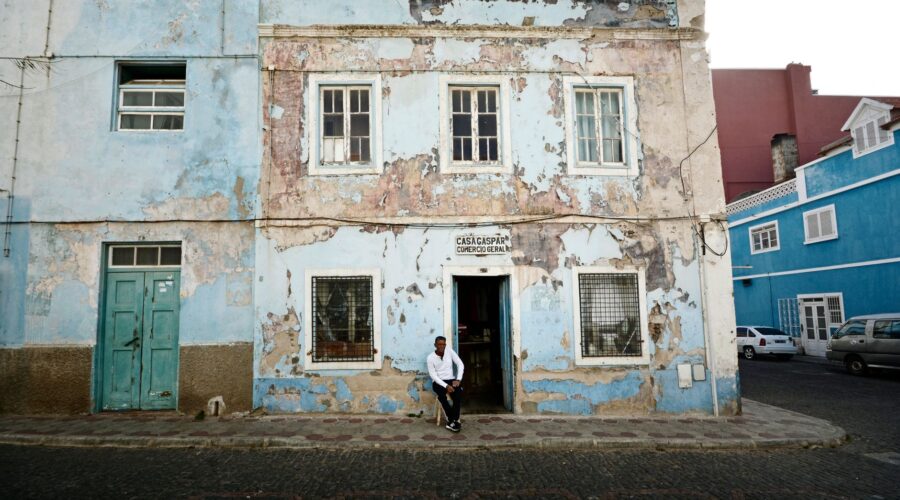
Image: Pexels – damien Saillet