CPLP’s Global Potential Is ‘Untapped,’ Says Paulo Rangel
The Community of Portuguese Language Countries (CPLP) is on the verge of a global breakthrough, but its true power remains largely untapped, according to Portuguese Foreign Minister Paulo Rangel. In an interview marking the organization’s 30th anniversary, Rangel emphasized that while the CPLP is already a vital tool for diplomacy, its “full capacity is far from being fully explored.”
A Demographic Powerhouse
The driving force behind this optimistic outlook is the explosive growth of the Portuguese language. Rangel pointed out that by the end of the century, the number of Portuguese speakers worldwide is expected to reach 600 million. As the most spoken language in the Southern Hemisphere, this linguistic bond provides the CPLP with a unique foundation for international influence.
“I believe that with this demographic importance, and the rising economic weight of many CPLP states, we will reach a level of visibility and influence far greater than what we have today,” Rangel stated. He noted that the growing list of international observers seeking to partner with the CPLP is the strongest evidence of the community’s rising global profile.
A Bridge Between Continents
Rangel clarified that the CPLP does not intend to compete with or replace regional blocs like the African Union, the European Union, or the Ibero-American Community. Instead, he argues that the CPLP’s strength lies in its diversity. Because its members belong to various powerful groups—including ASEAN, ECOWAS, and the EU—the CPLP acts as a unique geopolitical bridge.
“This multiple presence amplifies the role and influence of the CPLP,” the minister explained. “Each organization has its own place, but together, we can do much more.”
Concrete Progress: Mobility and Education
Reflecting on the organization’s three-decade history, Rangel provided a “frankly positive” assessment, citing major strides in freedom of movement and language promotion. He specifically highlighted a new common undergraduate degree in public health across all member states—an initiative launched at the 2025 Bissau summit—as a prime example of the community’s practical cooperation.
Founded on July 17, 1996, the CPLP brings together nine nations across four continents: Angola, Brazil, Cape Verde, Guinea-Bissau, Equatorial Guinea, Mozambique, Portugal, São Tomé and Príncipe, and Timor-Leste. As the organization enters its fourth decade, Rangel believes the best is yet to come. “I see the future with very good perspectives,” he concluded. “Despite how much has been done, we can do much more together.”
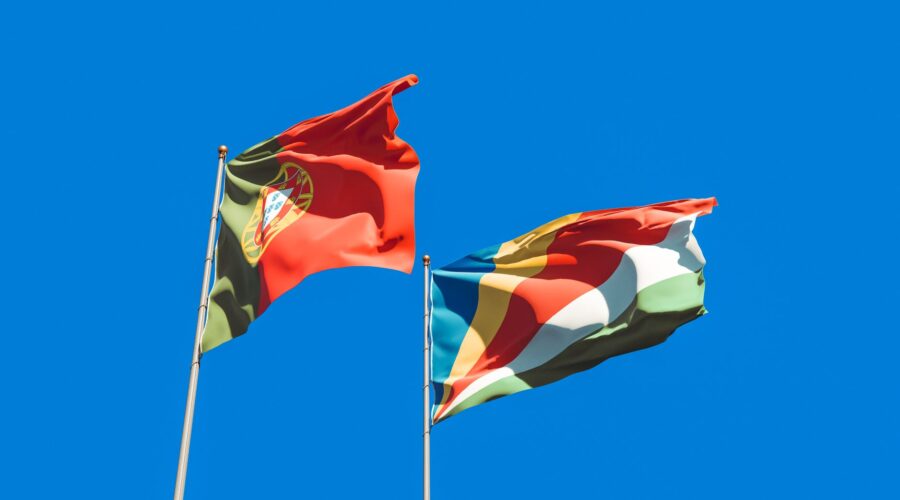
Image: Pexels – Leonid Altman