Atlantic Ambition: Business Success Stories in Cape Verde
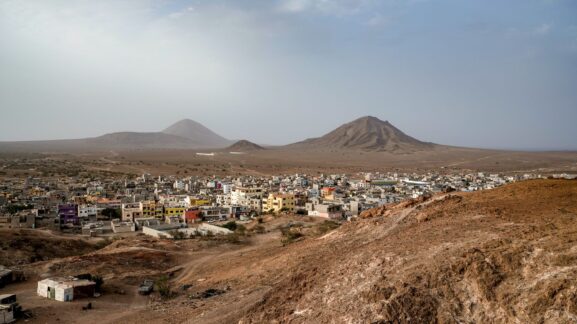
Floating in the central Atlantic Ocean, the archipelago of Cape Verde (Cabo Verde) has long been celebrated for its stabilization, democracy, and breathtaking landscapes. However, in recent years, a new narrative has emerged: one of entrepreneurial resilience and economic diversification. Despite being a Small Island Developing State (SIDS) with limited natural resources, Cape Verde has become a fertile ground for visionaries who have turned geographical challenges into competitive advantages.
From the bustling streets of Praia to the tourist hubs of Sal and the cultural heart of Mindelo, local and international entrepreneurs are rewriting the country’s economic future. Here is an in-depth look at the business success stories shaping Cape Verde today and the factors driving this Atlantic success story.
The Rise of the “Blue Economy”: Transforming the Maritime Sector
Because the ocean makes up 99% of Cape Verde’s territory, the “Blue Economy” is more than a buzzword—it is a lifeline. One of the most significant success stories in this sector is the evolution of maritime logistics and fishing processing plants in São Vicente.
Frescomar: A Model of Export Excellence
Frescomar, a fish processing company based in Mindelo, stands as a testament to what is possible when local resources meet international standards. By focusing on sustainable tuna fishing and high-quality canning processes, Frescomar has become one of the country’s largest employers and exporters. Their success lies in leveraging Cape Verde’s strategic location between Africa, Europe, and the Americas, utilizing trade agreements like the EU’s GSP+ to reach global markets. Today, “Made in Cabo Verde” canned tuna can be found on supermarket shelves across Europe, proving that island nations can compete in global manufacturing.
Tech and Innovation: The Digital Nomads and Local Startups
Cape Verde has set its sights on becoming a “Cyber Hub” for West Africa. This ambition is backed by the “Cabo Verde Digital” initiative, which has fostered a growing ecosystem of tech startups solving local problems with global potential.
GreenStudio: Architecting the Digital Future
Founded by Milton Cabral, GreenStudio is a homegrown success story that shifted the landscape of digital services in the country. Initially starting as a small creative house, it expanded into a multi-disciplinary firm specializing in architecture, 3D modeling, and digital communication. GreenStudio’s success highlights a crucial trend in Cape Verde: the professionalization of the service sector. By delivering world-class design for both the government and private international investors, they have shown that intellectual capital is Cape Verde’s most sustainable export.
App de Gestão: Simplifying the Informal Economy
In the fintech space, several small startups have gained traction by addressing the “informal” nature of local business. Apps designed for inventory management and mobile payments are now being used by “Badius” (merchants) in the markets of Assomada and Praia. These tools are helping move the needle toward financial inclusion, allowing small vendors to track profits and apply for formal bank loans for the first time.
Sustainable Tourism: Beyond the “All-Inclusive” Model
While large hotel chains dominate the islands of Sal and Boa Vista, a new wave of entrepreneurs is succeeding by offering “Authentic Cabo Verde” experiences. This shift toward eco-tourism and boutique hospitality is creating wealth that stays within the local community.
The Success of Odjo d’Agua
Located in Santa Maria, Sal, Odjo d’Agua is a prime example of a family-owned business that successfully competed with global titans. Started decades ago by a local entrepreneur, the hotel focused on preserving the “Morabeza” (the famed Cape Verdean hospitality) and local architecture. While many tourists stay in massive resorts, Odjo d’Agua consistently maintains high occupancy rates by offering a soul-stirring connection to Cape Verdean culture, traditional music (Morna), and local gastronomy.
Ecotur: Leading the Green Revolution
On the island of Santo Antão, trekking and eco-tourism have become the primary drivers of the local economy. Small-scale operators like Ecotur have successfully marketed the rugged mountains and verdant valleys of the “Island of Mountains” to European hikers. Their success is built on sustainability, employing local guides and partnering with rural guesthouses, ensuring that the economic benefits of tourism reach the most remote mountain villages.
The Diaspora Effect: Remittances Turned Investments
Cape Verde famously has more citizens living abroad than within the islands. For decades, the diaspora provided “social remittances” (money sent home for food and housing). Today, the story is changing as the diaspora returns with “investment remittances.”
The “Retornados” Entrepreneurs
Many successful businesses in the real estate and agribusiness sectors are founded by Cape Verdeans who lived in the US, Portugal, or the Netherlands. For instance, high-tech hydroponic farms in the interior of Santiago Island are often funded and managed by returning citizens who bring back modern agricultural techniques. These farms are now supplying fresh lettuce, tomatoes, and herbs to the major hotel chains, reducing the country’s dependence on expensive food imports.
The Secret Sauce: Why Businesses Succeed in Cape Verde
Success in Cape Verde doesn’t happen by accident. Several structural advantages contribute to these thriving enterprises:
- Political Stability: Unlike many regional neighbors, Cape Verde offers a stable democratic environment with a transparent legal system, which is vital for long-term investment.
- Strategic Location: Situated at the crossroads of three continents, the islands serve as a natural logistics and refueling hub.
- The “Morabeza” Factor: The cultural brand of Cape Verde—friendly, peaceful, and musically rich—acts as a powerful soft-power tool for marketing tourism and services.
- Renewable Energy Integration: With high wind and solar potential, businesses are increasingly lowering their operational costs by pivoting to green energy, supported by government incentives.
Challenges and the Path Forward
Despite these success stories, hurdles remain. The “cost of insularity” (the high expense of transporting goods between islands) and the small domestic market size are constant challenges. Successful entrepreneurs in Cape Verde are those who don’t just look at the 600,000 residents but look outward toward the 1.5 million diaspora members and the millions of tourists who visit annually.
Conclusion
The business success stories of Cape Verde are a narrative of transformation. They move from a story of survival to one of innovation. Whether it is a canning factory in Mindelo, a tech startup in Praia, or an eco-lodge in Santo Antão, these enterprises prove that with the right combination of local heritage and global standards, “Small Island” status is no barrier to big success.
For investors and entrepreneurs looking at the Atlantic, Cape Verde offers more than just sun and sand; it offers a stable, creative, and growing ecosystem ready for the next wave of success stories.
Image: Pexels – Ana Marta Jorge