Cape Verde’s Blue Ship Registry: A Hub for Sustainable Shipping
For decades, the concept of a “flag of convenience” has carried a somewhat murky reputation in the maritime world. Often associated with lax regulations and tax evasion, these registries were the backbone of global shipping but rarely the pride of it. However, the Republic of Cabo Verde is currently orchestrating a sophisticated pivot. By leveraging its strategic mid-Atlantic position and a commitment to international standards, the archipelago is rebranding its maritime registry—the “Blue Ship” initiative—to become a premier hub for sustainable shipping and high-end cruise logistics.
This transformation is not merely a marketing exercise; it is a calculated economic strategy designed to integrate Cape Verde into the high-value nodes of the global “Blue Economy.” By focusing on transparency, environmental stewardship, and digital efficiency, the Cape Verdean International Ship Registry (MAR) is positioning itself as the flag of choice for a new generation of eco-conscious shipowners and cruise operators.
The Strategic Significance of the Cape Verdean Registry
Cape Verde sits at the crossroads of three continents: Africa, Europe, and the Americas. This geographic blessing has historically made it a vital refueling station, but the “Blue Ship” vision seeks to turn the islands into a comprehensive maritime service center. The registry is governed by the Instituto Marítimo Portuário (IMP) and the Enapor (port authority), working in tandem to ensure that vessels flying the Cape Verdean flag meet the highest safety and environmental criteria.
The rebranding efforts center on moving away from the “open registry” stigma. Instead, Cape Verde is marketing itself as a “quality registry.” This means rigorous adherence to the International Maritime Organization (IMO) conventions, specifically those targeting carbon emission reductions and the protection of marine biodiversity.
Sustainable Shipping: The Green Heart of the Blue Ship
As the global shipping industry faces immense pressure to decarbonize, Cape Verde is positioning its registry as a partner in this transition. The “Blue Ship” concept emphasizes support for vessels utilizing alternative fuels, such as green hydrogen, ammonia, and LNG (Liquefied Natural Gas).
Incentivizing Eco-Friendly Vessels
The Cape Verdean government is exploring fiscal incentives for shipowners who invest in green technology. By offering reduced registration fees or tonnage tax discounts for vessels that exceed standard energy efficiency ratings (EEDI), the registry attracts modern, well-maintained fleets. This “race to the top” ensures that the Cape Verdean flag is seen on the hulls of the world’s most advanced ships, rather than aging vessels looking for a place to hide from regulation.
Alignment with the UN Sustainable Development Goals
The registry’s rebranding is deeply rooted in UN Sustainable Development Goal 14 (Life Below Water). Cape Verde has been vocal in international forums about the impact of climate change on Small Island Developing States (SIDS). By enforcing strict anti-pollution measures and waste management protocols for its flagged ships, the country is leading by example, proving that a maritime registry can be a tool for ocean conservation rather than a threat to it.
A New Frontier for Cruise Logistics
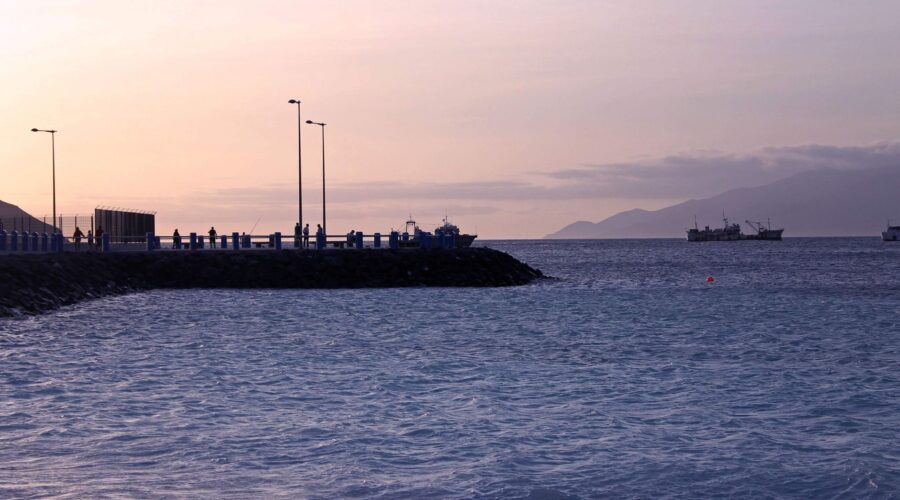
One of the most exciting aspects of the Blue Ship registry is its focus on the burgeoning cruise industry. Cape Verde is no longer just a destination for cruise ships; it wants to be their home. The recent completion of the Mindelo Cruise Terminal on the island of São Vicente is a testament to this ambition.
The Mindelo Advantage
The state-of-the-art terminal in Mindelo allows for larger vessels to dock and offers streamlined logistics for passenger exchange and bunkering. By encouraging cruise lines to register their vessels in Cape Verde, the government aims to create a circular maritime economy. Ships flagged in Cape Verde are more likely to utilize local shipyards (like CABNAVE), employ Cape Verdean seafarers, and source local provisions, thereby multiplying the economic impact of every port call.
Expedition and Boutique Cruising
Cape Verde is particularly targeting the “expedition” and boutique cruise market—smaller, luxury vessels that focus on nature and culture. These operators value the “Blue Ship” brand because it aligns with their guests’ expectations for sustainability. Flying a flag that represents environmental integrity adds a layer of brand value to the cruise line itself.
Digitalization and Ease of Doing Business
A modern registry must be an efficient one. Cape Verde has invested heavily in the digitalization of its maritime administration. The “Blue Ship” initiative includes an e-registry platform that allows shipowners to handle registrations, certifications, and crew endorsements remotely and securely.
This digital-first approach reduces the bureaucratic friction that often plagues traditional registries. For international investors, the ability to manage a fleet via a transparent, English-language digital interface is a major draw. Furthermore, Cape Verde’s legal framework, which is increasingly aligned with EU maritime standards, provides the necessary legal certainty for ship financing and insurance.
Training the Future: The Role of EMAR
A flag is only as good as the people who serve under it. Cape Verde boasts a long maritime tradition, and the Escola do Mar (EMAR) in Mindelo is the engine room of the Blue Ship registry. This vocational training center is modernizing its curriculum to include training for green technologies and high-end cruise hospitality.
By producing a highly skilled, IMO-certified workforce, Cape Verde ensures that vessels flying its flag have access to competent crew members who understand the nuances of modern, sustainable shipping. This integration of human capital with registry services is what differentiates Cape Verde from many of its regional competitors.
Challenges and the Path Ahead
While the momentum is strong, the Blue Ship registry faces challenges. Competing with established giants like Panama, Liberia, or the Marshall Islands requires persistent diplomatic and marketing efforts. Cape Verde must also ensure that its port infrastructure keeps pace with the demands of the world’s largest shipping lines.
However, the “Blue Ship” rebranding is a long-term play. As the European Union’s Emissions Trading System (EU ETS) begins to encompass shipping, and as global financiers increasingly look at Environmental, Social, and Governance (ESG) scores, the demand for “quality flags” will only grow. Cape Verde is positioning itself to be the African continent’s premier entry point for this new era of maritime commerce.
Conclusion
The transformation of Cape Verde’s maritime registry from a standard administrative tool into the “Blue Ship” brand is a masterclass in economic rebranding. By prioritizing sustainability, digital efficiency, and cruise logistics, Cape Verde is moving beyond its geographic constraints to become a central pillar of the global maritime industry.
For the international shipping community, the Cape Verdean flag now represents more than just a place of registration; it represents a commitment to the future of the oceans. As the archipelago continues to harmonize its maritime laws with international best practices, the “Blue Ship” is set to sail toward a horizon of sustainable economic growth and global prestige.
Image: Pexels – Ana Marta Jorge