
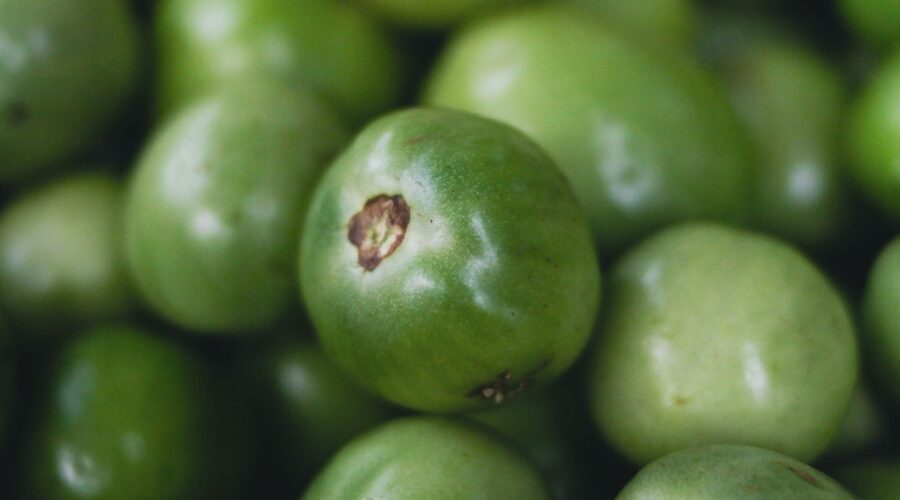
Cape Verde Tomato Crisis: Prices Soar Amid Extreme Heatwaves
In the bustling markets of Cape Verde, a staple of the national diet has undergone a startling transformation. What was once an affordable vegetable is now being referred to as “red gold,” with prices skyrocketing to 800 escudos (€7.24) per kilo—a price tag driven by intense heatwaves and widespread crop failure.
“Tomato is Gold Now”
For decades, shoppers at the Plateau market in the capital city of Praia could pick up a kilo of tomatoes for as little as 40 escudos. Today, that same amount costs twenty times more. The shortage is so severe that vendors like Vitalina Moreno, a veteran merchant of 30 years, are struggling to even stock the fruit.
“The color gives the stall life and attracts customers,” Moreno said, noting that she once tried reselling tomatoes at 900 escudos a kilo but gave up when they sat rotting on the shelf. “People complain about the price. Now, they only buy half a kilo or a quarter—or they just buy canned tomato paste from the store.”
Farmers Battle a Warming Climate
The crisis stems from the fields of Santiago Island, where farmers are witnessing the devastating effects of rising temperatures. José Almeida, who has worked the land in Praia Baixo for 15 years, explains that while the ideal growing season runs from February to July, the subsequent months have become increasingly hostile.
“Too much sun mistreats the tomato; it causes it to wither and refuse to bear fruit,” Almeida said. He recently invested 100,000 escudos (€906) into a new plantation, but he won’t see a harvest until February 2027. If the heat persists through the holiday season, he warns prices could shatter the 1,000 escudos (€9.07) mark, repeating a crisis seen last Christmas.
Further inland, Jeremias Moreira has been waiting five months for a harvest that typically takes three. “Tomatoes don’t like heat,” he says simply. “If I had sown something else, I would have already had two harvests.”
A Structural Crisis in Agriculture
Agricultural engineer Adilson Melício warns that this isn’t just a bad season, but a sign of a changing climate. “From 30 to 32 degrees Celsius, we see a sharp drop in flowers,” Melício explained. He notes that extreme heat not only compromises fruit formation but also increases the plants’ water needs and attracts more pests, forcing farmers to spend more on expensive pesticides.
Melício is calling for an urgent modernization of Cape Verdean agriculture, suggesting that farmers transition to greenhouses equipped with ventilation and shade. However, he acknowledges the barriers: high investment costs, chronic water shortages, and a shrinking workforce as young people emigrate in search of better opportunities.
“The State must produce water in quantity and quality and make it available to farmers,” Melício argued. “If we don’t innovate, the situation in the coming years will be much more serious.”
Straining the Household Budget
For the citizens of Praia, the “tomato gold rush” is a daily struggle. Maria Barreto, a cleaning worker at the market, says the fruit is essential for traditional cooking but has become a luxury. “You can’t cook without tomatoes,” she said. “But when money is tight, I have to choose another priority.”
While experts expect prices to dip slightly in February as the October rains finally yield a harvest, the long-term outlook remains uncertain. As the climate continues to warm, the simple act of making a salad or a stew is becoming an increasingly expensive endeavor for the people of Cape Verde.
Image: Pexels – tommy wijaya