Cape Verde Shearwater: Seabird Breeding & Conservation
Emerging from the deep blue of the central Atlantic, the archipelago of Cape Verde (Cabo Verde) is a land of dramatic volcanic landscapes, bustling Creole culture, and a biodiversity that is as fragile as it is unique. Located between 600 and 850 kilometers west of Senegal, these ten volcanic islands form a critical part of the Macaronesia ecoregion. While the islands are famous for their stable democracy and burgeoning tourism industry, they also serve as a vital sanctuary for one of the ocean’s most enigmatic travelers: the Cape Verde Shearwater (Calonectris edwardsii).
An Archipelago Shaped by Fire and Sea
To understand the life of the Cape Verde Shearwater, one must understand the rugged environment it calls home. Formed approximately 40 to 50 million years ago, the archipelago is divided into two groups: the Barlavento (windward) islands to the north and the Sotavento (leeward) islands to the south. From the flat, salt-dusted plains of Sal and Maio to the towering peak of Pico do Fogo—which stands at 2,829 meters above sea level—the islands offer a diverse range of habitats.
The climate is typically Sahelian and semi-arid, moderated by the surrounding Atlantic currents. However, higher elevations on islands like Santiago and Santo Antão capture ocean mist, creating humid microclimates that support dry monsoon forests. It is within this geological and climatic complexity that the Cape Verde Shearwater has evolved, becoming a symbol of the islands’ endemic wildlife.
The Cape Verde Shearwater: A True Endemic
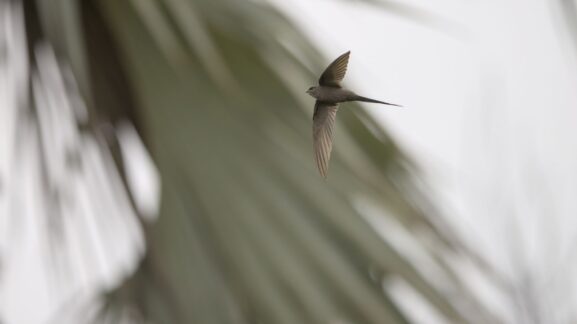
The Cape Verde Shearwater is a medium-sized seabird, distinguished by its slim bill and graceful, undulating flight pattern just above the waves. For many years, it was considered a subspecies of the Cory’s Shearwater, but scientific consensus now recognizes it as a distinct species found nowhere else on Earth. It is a true endemic of the archipelago, returning year after year to the same rocky crevices and burrows to raise its young.
Unlike many other seabirds that prefer lush vegetation, the Cape Verde Shearwater is perfectly adapted to the archipelago’s arid conditions. They are most active at night when returning to their colonies, a behavior intended to avoid predators. During the day, they are masters of the open ocean, traveling hundreds of kilometers to forage for small fish and squid, fueled by the nutrient-rich waters of the West African upwelling.
Breeding Cycles and Nesting Habits
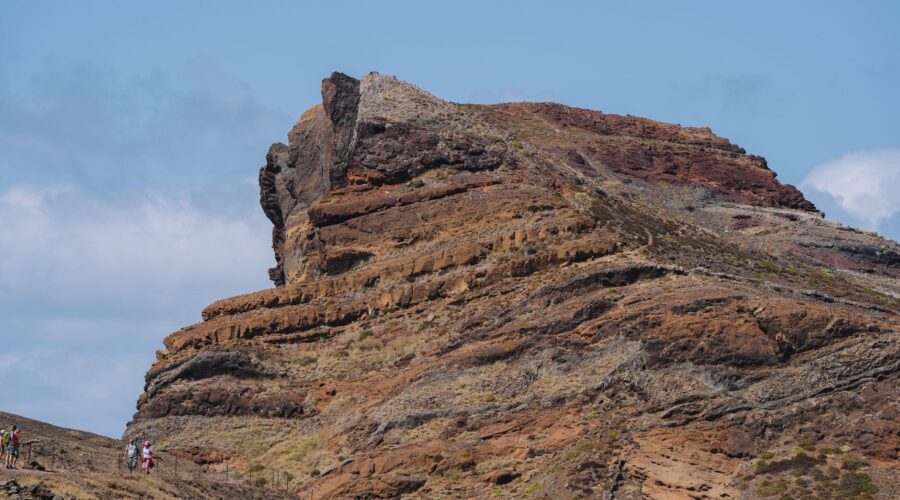
The breeding season is a pivotal time for the species. The birds typically arrive at their nesting sites on the offshore islets and remote cliffs of islands like Boa Vista, Brava, and Rasos between February and March. Because the islands are volcanic and dominated by igneous rocks and pyroclastic debris, the shearwaters utilize the natural cavities found in basaltic cliffs and boulder fields.
A single egg is laid, and both parents share the responsibility of incubation and feeding. This slow reproductive rate makes the population particularly vulnerable to external shocks. By the time the chicks are ready to fledge in late autumn, they must face a gauntlet of environmental and human-induced challenges.
Conservation Challenges in a Changing Climate
Cape Verde’s biodiversity is under significant pressure. As a nation with a population of approximately 530,000 and a growing focus on tourism and foreign investment, the footprint of human development is expanding. For the Cape Verde Shearwater, the threats are multi-faceted:
- Invasive Species: The introduction of rats, cats, and dogs to previously uninhabited islets has had a devastating impact on nesting success, as these predators easily exploit the flightless chicks.
- Light Pollution: As urban centers like Praia and Mindelo grow, increasing light pollution can disorient fledglings, causing them to fly inland toward artificial lights rather than out to sea.
- Overfishing and Marine Plastics: As the birds depend on the marine environment for food, the depletion of fish stocks and the ingestion of floating plastic debris pose long-term survival risks.
Furthermore, Cape Verde is on the frontlines of the climate crisis. In 2011, it was ranked as the eighth most endangered nation due to flooding from climate change. As sea levels rise and hurricane patterns shift—highlighted by recent events like Hurricane Fred in 2015—the low-lying coastal nesting areas face increasing destruction.
A Sustainable Future: Debt-for-Nature Swaps
The government of Cabo Verde, recognized by international leaders as a “real success story” for its democratic stability, is taking bold steps to protect its natural heritage. Currently, the country generates 20% of its energy from renewable sources, with a goal to reach 50% by 2030.
In a landmark move for African conservation, Portugal recently signed an agreement to forgive €140 million of Cape Verde’s debt in exchange for the country investing those funds into environmental and climate projects. This “debt-for-nature swap” provides the necessary capital to fund marine protected areas, enhance patrols against illegal fishing, and restore the habitats essential for the Cape Verde Shearwater.
The Role of Local Communities
Conservation in Cape Verde is not just a government mandate; it is a community effort. Local NGOs work tirelessly to monitor colonies during the breeding season and educate the public about the importance of reducing light pollution during fledgling periods. By integrating tourism with conservation—encouraging birdwatching and eco-tours—the islands are finding ways to turn the protection of the shearwater into a sustainable economic asset.
Building a Sanctuary in the Atlantic
The story of the Cape Verde Shearwater is inextricably linked to the story of the islands themselves. From the arrival of Portuguese explorers in the 15th century to the modern era of democratic prosperity and environmental leadership, Cape Verde has always been a crossroads of the Atlantic.
Today, as the archipelago navigates the challenges of the 21st century, the preservation of the Cape Verde Shearwater stands as a testament to the nation’s commitment to its unique identity. By protecting this sentinel of the sea, Cape Verde ensures that the “green cape” remains a vibrant, living sanctuary for generations to come.
Fast Facts: Cabo Verde & The Shearwater
Official Language: Portuguese (Creole is the national language).
Total Land Area: 4,033 square kilometres.
Endemic Status: The Cape Verde Shearwater breeds only in this archipelago.
Major Threat: Climate change and invasive predators.
Best Time to Visit: July to October for bird watching, though August to October is the rainy season.
Image: Pexels – Diogo Miranda