Cape Verde Fuel Prices: Consumer Group Urges Action
The Consumer Defense Association of Cape Verde (ADECO) has issued an urgent call for government intervention as rising fuel prices threaten to trigger a “ripple effect” of inflation across the nation’s economy. The association warns that without immediate measures, families will struggle to afford basic necessities like transport, electricity, and food.
A Chain Reaction of Costs
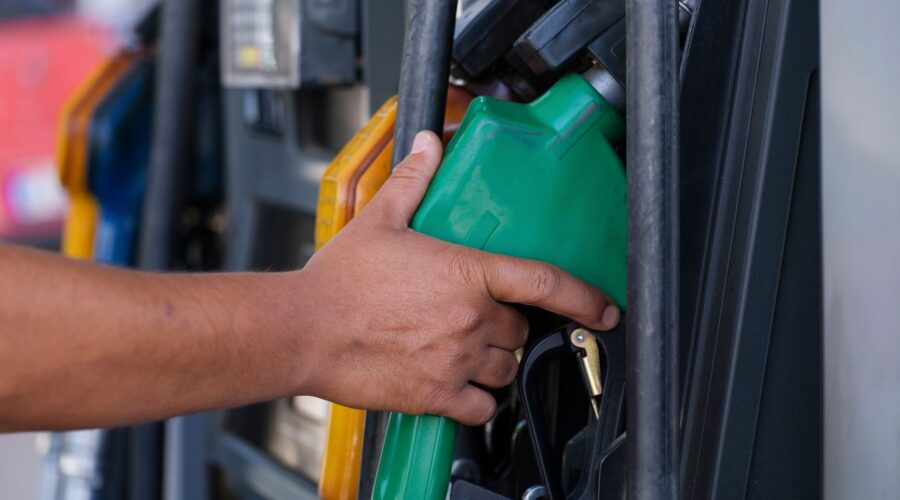
Fuel prices in Cape Verde are set to rise by an average of 4.51% throughout September. While butane gas saw a marginal decrease of 0.21%, the cost of diesel for electricity generation is expected to see the sharpest hike. Because Cape Verde relies heavily on imported fuel, these price fluctuations dictate the cost of living for the entire archipelago.
“It is not just the direct increase in fuel that impacts us; it is a set of negative externalities that will make things difficult for the consumer and the economy itself,” said ADECO President Nelson Faria in an interview with Rádio de Cabo Verde (RCV).
Faria emphasized that since the country imports the majority of its food and relies on maritime transport, any increase at the pump quickly translates to higher prices at the grocery store. “It is a chain of increases that will harm consumers,” he warned.
Struggling Households and Stagnant Wages
The association highlighted a growing gap between the cost of living and household income. According to ADECO’s monitoring of the essential consumption index, the national minimum wage remains insufficient to cover basic expenses.
“The reality is that the consumption capacity of families is clearly insufficient for what is essential,” Faria stated. ADECO argues that the government must focus on strengthening purchasing power so that households can better absorb external shocks like global oil price spikes.
Proposed Solutions: Tax Reforms and Renewables
ADECO is preparing to present the Government with a comprehensive package of proposals aimed at shielding consumers. Key demands include:
- Tax Review: Reevaluating the fuel price calculation model, specifically the fees and taxes that pad the final price.
- Crackdown on Speculation: Implementing measures to prevent businesses from using fuel hikes as an excuse for opportunistic price gouging.
- Energy Transition: Accelerating the shift toward renewable energy to reduce the nation\’s vulnerability to volatile international oil markets.
Faria noted that these proposals were previously shared with the administration and will be resubmitted to ensure that price-setting policies prioritize citizens, not just fuel sector operators. “We believe that price formation must take consumers into account,” he concluded.
Image: Pexels – Engin Akyurt