Angola to Launch Luanda-Praia Flight Route in December
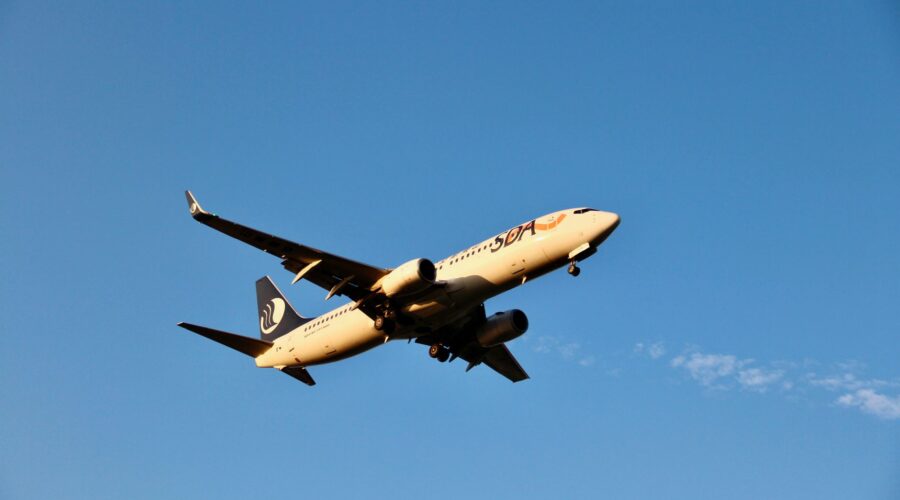
Angola’s state-owned airline, TAAG, will launch a new flight route connecting Luanda and Praia on December 12, marking a significant step in strengthening ties between the two Portuguese-speaking nations. The announcement was made by Angola’s Minister of Transport, Ricardo Viegas d’Abreu, during the 2nd Lusophone Africa Investment Forum held on Sal Island, Cape Verde.
Expanding Air Connectivity
Addressing a panel on logistics corridors, d’Abreu acknowledged that establishing the connection between the Angolan capital and Cape Verde’s capital has faced hurdles. “Our priority has always been to connect Luanda to Praia, and the truth is that we have been facing challenges regarding the viability of this line,” the minister said. However, he confirmed that the route is now a reality: “At this moment, the commercialization process is starting.”
The announcement was met with applause from attendees at the forum, which is organized by the International Finance Corporation (IFC) to promote economic links between Portuguese-Speaking African Countries (PALOP).
A Call for Shared Investment
While celebrating the new route, Minister d’Abreu emphasized the financial risks involved in opening new air corridors. He noted that Angola is currently the most connected PALOP nation after Portugal, but suggested that the burden of testing new routes should be shared among regional partners.
“It is convenient for everyone, but it cannot be just one party investing; we have to share the cost of testing connections,” d’Abreu argued. He highlighted that Angola still lacks direct air links to Bissau and Equatorial Guinea, indicating room for further expansion if cooperative mechanisms are established.
Moving Beyond Dialogue
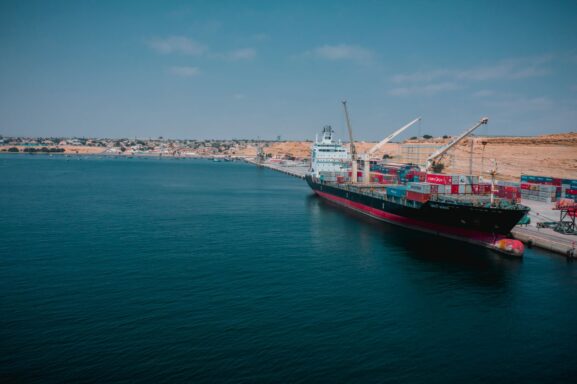
The minister extended his critique to the maritime sector, calling for more than just diplomatic discussion. While he praised the efforts of the Association of Ports of the Community of Portuguese Language Countries (CPLP), he stressed the need for “more effective mechanisms” to ensure projects move beyond the planning stages.
To facilitate this, d’Abreu urged the World Bank Group and the IFC to support a dedicated platform for dialogue and investment. Such a platform, he argued, would be fundamental to transforming ideas discussed at forums into tangible regional infrastructure.
About the Lusophone Africa Investment Forum
The forum on Sal Island aims to bridge the gap between international capital and local opportunities, focusing on agribusiness, sustainable tourism, and logistics corridors. According to the IFC, the institution has mobilized approximately $1.2 billion across 10 projects in Lusophone Africa over the last five years, signaling growing international interest in the region’s development.
Image: Pexels – Anderson Wei