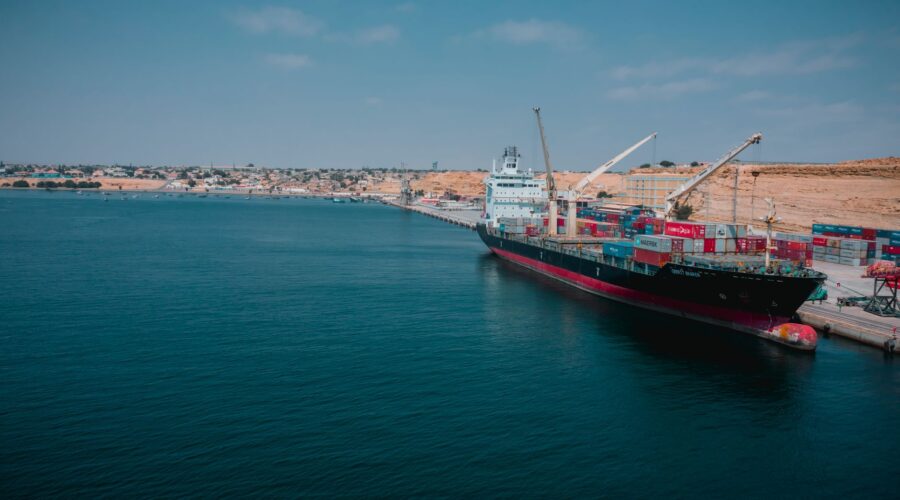
Mozambique Proposes Transcontinental Trade Link with Angola
Mozambique is calling for a unified Lusophone investment platform to bridge the African continent, proposing a massive logistical network that would link its Indian Ocean ports with Angola’s Atlantic coast.
Speaking at the 2nd Lusophone Africa Investment Forum on Sal Island, Cape Verde, Mozambique’s Minister of Planning and Development, Salim Valá, urged Portuguese-speaking African countries (PALOP) and the International Finance Corporation (IFC) to collaborate on “bankable projects” that connect major trade routes.
Connecting the Atlantic to the Indian Ocean
The ambitious proposal aims to synchronize the Lobito Corridor in Angola with Mozambique’s Beira and Nacala corridors. Valá emphasized that these projects must evolve beyond simple transit routes for cargo. “We must invest in what these ports make possible,” Valá stated, arguing that success should be measured by job creation and business growth rather than just the tonnage of goods moved.
Angola’s Minister of Transport, Ricardo Viegas d’Abreu, echoed this sentiment, describing the competition between African logistics corridors as “absurd.” He advocated for a complementary approach where nations “join hands” to create a transcontinental link reaching from the Atlantic to the Indian Ocean, potentially through Mozambique or Tanzania.
Identifying 144 New Opportunities
To demonstrate the potential for growth, D’Abreu highlighted Angola’s new online geospatial platform. The tool has already identified 144 specific investment opportunities along the Lobito Corridor, providing a roadmap for private capital to engage with regional infrastructure.
The two-day forum, organized by the IFC—the World Bank Group’s private sector arm—is focused on “Powering Corridors, Developing Agribusiness, and Boosting Sustainable Tourism.” The goal is to facilitate high-level partnerships between PALOP governments and international investors.
The IFC remains a significant player in the region’s development. According to recent data, the institution has mobilized approximately $1.2 billion across 10 major projects in Portuguese-speaking African countries over the last five years. By formalizing a Lusophone platform, officials hope to accelerate this momentum and turn logistics into a primary engine for regional economic stability.
Image: Pexels – Heibby Cris Marvel