Amadora Residents Protest Closed Soccer Court Amid World Cup
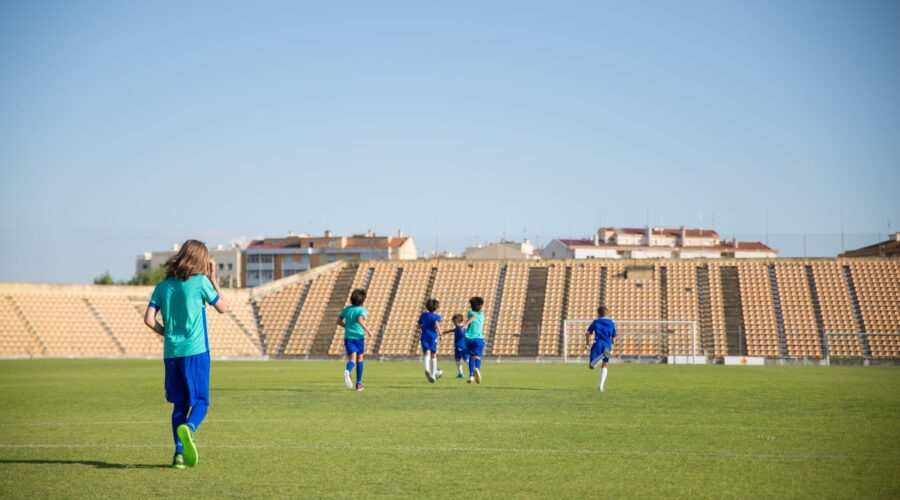
As World Cup fever sweeps through Portugal, a padlocked gate in the Buraca neighborhood of Amadora has become a symbol of frustration for local youth and activists. A public soccer court, refurbished with synthetic turf and high fences during the COVID-19 pandemic, has reportedly remained closed to the public for six years, even as the Cape Verdean national team’s historic run sparks a surge in local interest in the sport.
“Moral Responsibility” vs. Locked Gates
The issue gained traction after Vítor Sanches, an artist, activist, and creator of the sustainable brand Bazofo, took to social media to highlight the situation. Sanches, who works out of the Dentu Zona project in the nearby Cova da Moura neighborhood, argues that the lack of public space is stifling the next generation of talent.
“To keep producing great players, we must have open fields for the youth to play,” Sanches argued. Despite a sign detailing operating hours, Sanches says the court has been secured with a chain and padlock since 2020. Frustrated by the closure, local children have begun climbing the high fences to access the pitch—a dangerous workaround that Sanches says the local government cannot ignore.
“If a child gets hurt climbing those fences, the Council may not have formal responsibility, but it has a moral responsibility,” Sanches said, recounting a conversation with a parish employee who warned that the Council would not be liable for accidents.
Bureaucratic Hurdles in a Football-Mad Nation
The Amadora City Council told Lusa that while they funded the rehabilitation of the facility, management falls under the jurisdiction of the Águas Livres Parish Council. According to the city, the parish is currently “working on a partnership with a local association” to manage the opening and closing of the complex.
The city also cited noise complaints as a primary reason for the restricted access. Located in a “densely urbanized area,” the council claims it must balance the sports needs of the community with the “residents’ right to rest.”
Public Money, Private Access
For Sanches and many local residents, the “noise complaint” explanation doesn’t justify a permanent lockout. “It was a very popular court,” Sanches recalled, noting that he and many other youth from Cova da Moura learned the game there. “The court is a public space, renovated with public money. It’s not fair that they say there is no capacity to keep it open.”
The activist has since shared the contact information for local officials online, urging the community to flood the councils with complaints. As Cape Verde prepares for its historic World Cup round of 32 appearance, the youth of Amadora remain waiting for a key to a pitch that was built for them.
Image: Pexels – Kampus Production