Joana Rosa: The Woman Who Could Lead Cape Verde
PRAIA, Cape Verde — As the sun beat down on the town of Picos, the streets of Santiago island buzzed with a sentiment that could redefine the nation’s history: “It is time for a woman.”
With the presidential election set for Sunday, voters are increasingly rallying behind Joana Rosa, the first woman to appear on a presidential ballot in Cape Verde. For many, her candidacy is more than a political milestone; it is a potential turning point in the fight against gender-based violence and economic stagnation.
A Push for Unity and Change
“I think there should be a woman to improve our land,” 61-year-old Margarida Fernandes told Lusa while greeting the candidate at a local hair salon. “Things must change, especially violence against women. We women have strength, especially when we stand together.”
Rosa, supported by the opposition Movement for Democracy (MpD), navigated the streets accompanied by supporters in blue shirts emblazoned with the slogan “Joana Rosa, our President.” Along her route, she greeted street vendors and residents, repeating a core message: “Balance is fundamental.”
The campaign trail highlights a clear divide. As Rosa’s motorcade passed, she encountered supporters of the incumbent, President José Maria Neves, who is seeking a second term. While Neves’ camp touted their consistent presence in the community, Rosa’s supporters argued that a fresh, female perspective is exactly what the country needs to tackle systemic issues like unemployment.
Voters Demand More Than Representation
For 48-year-old Lídia Lopes, the stakes are economic. “I think it’s a woman’s turn because women also have rights,” she said. “A lot needs to change, especially employment, so that things can move forward.”
The sentiment was echoed by younger voters like Deivany Gonçalves, 26, who noted that while a female president would be a welcome change, the priority remains the youth. “There are many things to resolve, especially for young people, like employment. If there is a change with a woman, we accept it.”
Rosa, a former Minister of Justice and the first woman to lead a parliamentary group in Cape Verde, is leaning into this call for action. She has pledged to advocate for increased investment in tourism and agriculture, specifically in North Santiago, to stem the tide of young people emigrating for work.
Breaking the Glass Ceiling
“We have to show that we are capable, we have competence, we have strength, and we can be where we want to be,” Rosa told Lusa, noting the “enthusiasm” she has encountered from women who feel represented by her run.
However, Rosa faces an uphill battle against historical precedent. In Cape Verde’s democratic history, every president who has sought a second term—António Mascarenhas Monteiro, Pedro Pires, and Jorge Carlos Fonseca—has been successfully re-elected. President Neves, supported by the ruling PAICV, won his first term in 2021 with 51.8% of the vote.
As 426,531 registered voters prepare to head to the polls on November 15, the choice remains between the status quo of a male-dominated executive and the historic potential of a female head of state. For voters like Kátia Freire, 40, the mandate is clear: “We want a woman in power; enough with men. But if she wins, she has to work to help the people. It’s not just about sitting in power.”
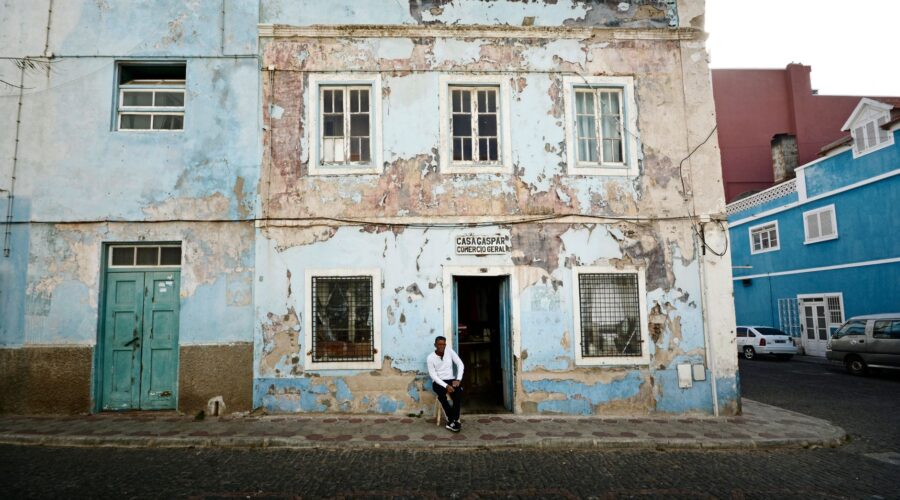
Image: Pexels – damien Saillet