Cape Verde to Boost Inter-Island Travel for Tourism Growth
Cape Verde is shifting its tourism strategy to ensure that the economic windfall from record-breaking visitor numbers reaches every corner of its 10-island archipelago. At the 2nd Lusophone Africa Business Forum on the island of Sal, government officials identified inter-island connectivity as the sector’s most urgent priority.
Breaking the “Two-Island” Concentration
Currently, tourism in Cape Verde is heavily concentrated on the islands of Sal and Boa Vista, which host the majority of the country’s large resorts. Secretary of State for Tourism José Pimenta Lima emphasized that the government is now focused on redistributing the flow of travelers.
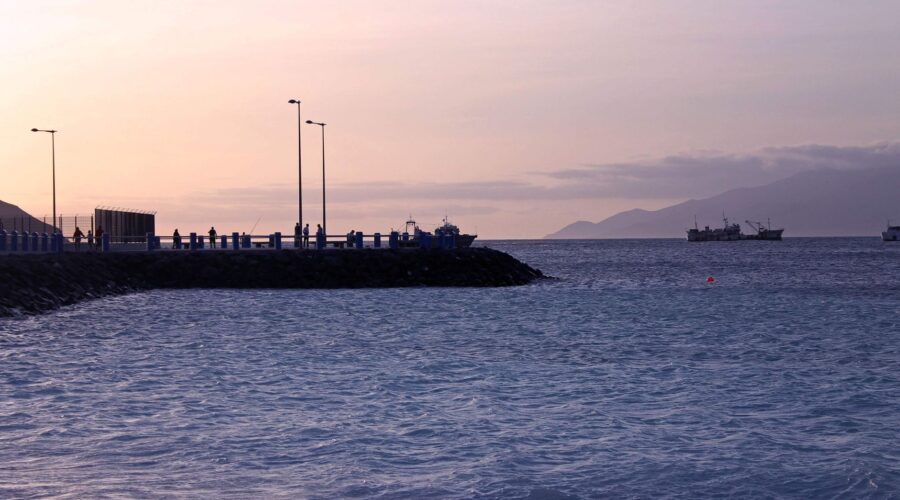
“Our main focus is inter-island connectivity to allow all the flow arriving at these two points to be redistributed,” Lima said. Despite the country’s reliance on tourism, Cape Verde has long struggled with unreliable domestic air and sea links, a challenge the government has pledged to overcome to support a growing trend of independent travelers who prefer custom itineraries over pre-packaged tours.
“More Cape Verde in Tourism”
The government’s goal is to diversify offerings—such as promoting high-end sport fishing—to lure visitors to the lesser-visited islands. This diversification is seen as the primary vehicle for spreading wealth across the nation.
“Cape Verde wants more tourism, but it also wants more of Cape Verde in tourism,” Lima said, signaling a move to ensure the industry benefits the entire population rather than remaining an isolated enclave of wealth.
The Challenge of Local Supply
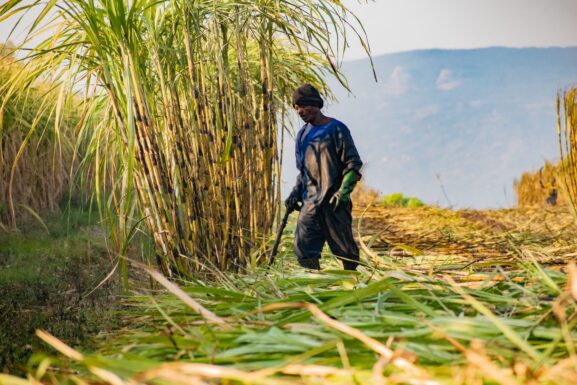
While the tourism sector saw a record 1.25 million guests in 2025 and accounts for 25% of the national GDP, other industries are struggling to keep pace. Minister of Economy António Baptista noted that the agro-industrial sector cannot yet reliably meet the demands of major hotels.
“Today, the challenge is to organize local content so that producers understand the level of quality required,” Baptista explained. He envisions a “virtuous circle” where tourism revenue fills state coffers via taxes while simultaneously boosting the “worker’s pocket,” stimulating local neighborhood economies.
Addressing the Growing Pains
The rapid influx of visitors has placed “enormous pressure” on infrastructure and labor, particularly on Sal and Boa Vista. To combat this, the government is preparing housing programs for workers migrating from other islands and reinforcing water and energy grids to prevent shortages.
To fund these massive infrastructure projects, the government is leaning on public-private partnerships. This approach received a vote of confidence from Albert Pascual, Director of Institutional Relations for RIU Hotels and Resorts, who praised Cape Verde’s collaborative environment. Pascual cited political stability, security, and culture as key reasons for the group’s continued investment in the archipelago.
The forum, which concludes today, was organized by the International Finance Corporation (IFC). The IFC reported that it has mobilized approximately $1.2 billion for 10 projects across Portuguese-speaking African countries over the last five years.
Image: Pexels – Ana Marta Jorge