Mindelo’s Cold Chain: Powering the European Sushi Market
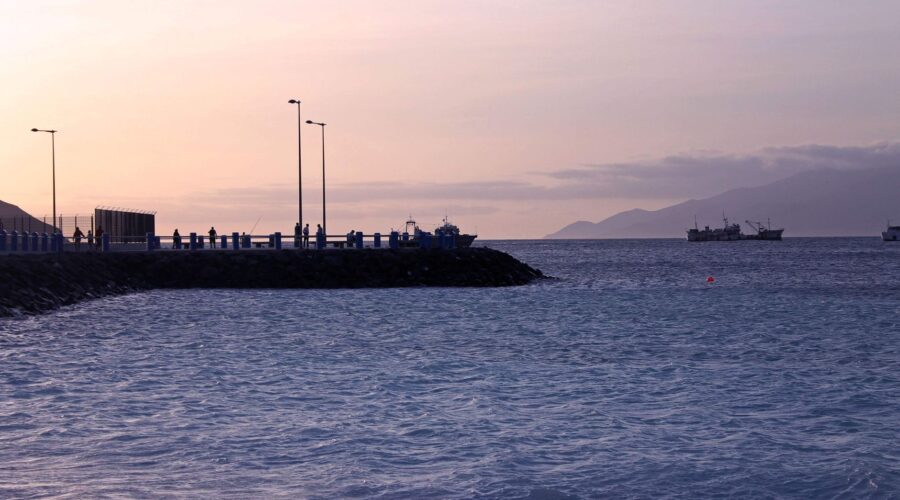
In the middle of the Atlantic Ocean, where the trade winds meet the deep blue waters of the Macaronesian archipelago, sits Mindelo. For centuries, this harbor city on the island of São Vicente has been the pulse of Cape Verde (Cabo Verde). Once a vital coaling station for the British Empire’s steamships, Mindelo’s Porto Grande is undergoing a 21st-century metamorphosis. This time, the commodity isn’t coal—it is “blue gold.”
The “Porto Grande Cold Chain Revolution” is more than a local infrastructure project; it is a critical pivot point in the global seafood supply chain. By positioning itself as the premier mid-Atlantic hub for tuna transshipment, Mindelo is quietly determining the quality, price, and sustainability of the tuna that ends up on sushi platters from Madrid to Berlin.
The Strategic Significance of Porto Grande
Geographically, Cape Verde occupies a “sweet spot” on the globe. Located at the crossroads of Africa, Europe, and the Americas, it sits adjacent to some of the world’s most productive tuna fishing grounds. The waters of the Atlantic Ocean, particularly the Eastern Central Atlantic (FAO Area 34), are teeming with Skipjack, Yellowfin, and Bigeye tuna.
Historically, fishing vessels operating in these waters faced a logistical nightmare. To process their catch, they often had to steam for days to reach ports in West Africa or journey all the way back to Europe. This led to high fuel costs, increased carbon footprints, and, most importantly, a degradation in the quality of the fish. In the world of high-end sashimi and sushi, every hour matters. Porto Grande’s development into a state-of-the-art cold chain hub has eliminated these inefficiencies, offering a “mid-way” sanctuary for the international fishing fleet.
The Pillars of the Cold Chain Revolution
What exactly does a “cold chain revolution” look like? In Mindelo, it is defined by three primary pillars: advanced refrigeration infrastructure, streamlined customs logistics, and international certification.
1. Ultra-Low Temperature (ULT) Storage
To serve the European sushi market, standard freezing isn’t enough. High-grade tuna must be kept at temperatures as low as -60°C to preserve the cellular structure of the meat, ensuring the color and texture remain pristine once thawed. Recent investments in Porto Grande have expanded the capacity of industrial cold stores, such as those operated by the state-owned Enapor and private partnerships like the Frescomar canning facility. These facilities allow for the “buffer storage” of massive quantities of fish without any loss in quality.
2. Efficient Transshipment Protocols
Transshipment—the process of transferring cargo from one vessel to another—is the lifeblood of Mindelo. Instead of a fishing trawler making a long trek to Spain, it can offload its catch in Mindelo to a specialized “reefer” (refrigerated container ship). Porto Grande has optimized its quays to handle these transfers with surgical precision, reducing the time fish spend outside of temperature-controlled environments to mere minutes.
3. The “Eco-Hub” Approach
Cape Verde has recognized that the modern European consumer demands more than just taste; they demand sustainability. Mindelo is increasingly integrating solar and wind power into its industrial zones to power cold storage units, branding its tuna exports as some of the most “carbon-efficient” in the region.
From the Atlantic to the Atlantic: The Sushi Connection
The European appetite for Japanese cuisine has exploded over the last decade. Once a niche delicacy, sushi is now a staple of European urban life. This demand has placed immense pressure on the supply chain. A “Super Frozen” tuna loin processed in Mindelo can reach a distributor in Rungis, France, or the Mercamadrid in Spain within a fraction of the time it would take from the Pacific fishing grounds.
By acting as a quality-control filter, Porto Grande ensures that only the best cuts enter the European market. The proximity to Europe allows for “Just-In-Time” delivery, which is essential for supermarkets and high-end restaurants that operate on thin margins and strict expiration dates. When you bite into a piece of Maguro (tuna) in a London sushi bar, there is a high probability that fish was offloaded and inspected in the shadow of Mindelo’s Monte Cara.
Economic Impact on Cape Verde
For the residents of São Vicente, this revolution is about more than just ships in the harbor. The tuna industry is a massive engine for job creation. From the dockworkers and crane operators to the specialized technicians who maintain the refrigeration systems, the maritime sector is the backbone of the local economy.
Furthermore, the growth of the cold chain has spurred the development of “value-added” services. Rather than just acting as a transit point, Mindelo is increasingly involved in the processing, filleting, and packaging of fish. The Frescomar factory, for instance, is one of the largest employers in the country, processing thousands of tons of tuna annually for export to the European Union under the GSP+ (Generalised Scheme of Preferences) which allows for duty-free access.
Challenges and the Path Forward
Despite the success, the revolution faces hurdles. Climate change is shifting fish migration patterns, and illegal, unreported, and unregulated (IUU) fishing remains a threat to the Atlantic’s biodiversity. Cape Verde must continue to strengthen its maritime surveillance to ensure that the “blue gold” passing through Porto Grande is harvested legally and sustainably.
Additionally, competition from other ports like Las Palmas in the Canary Islands or Dakar in Senegal means Mindelo must constantly innovate. Digitalizing the port—using blockchain for “bait-to-plate” traceability—is the next logical step in Mindelo’s evolution. This would allow a consumer in Lisbon to scan a QR code and see exactly when their tuna was landed in Porto Grande and which vessel caught it.
Conclusion: The Heart of the Atlantic
Mindelo has always been a city of culture, music, and the sea. Through the Porto Grande cold chain revolution, it has added a new layer to its identity: a high-tech maritime sentinel. By bridging the gap between the wild Atlantic and the sophisticated dinner tables of Europe, Cape Verde is proving that small island nations can play a giant role in global trade.
As the “Blue Economy” becomes a central theme of global development, Porto Grande stands as a testament to what is possible when strategic geography is met with forward-thinking investment. The future of tuna is cold, it is sustainable, and it is passing right through the heart of Mindelo.
Image: Pexels – Ana Marta Jorge