João Pina: Tarrafal Memories and the Warning of Violence
Repression and violence are increasingly being treated as “natural” in modern politics, a trend that photographer João Pina describes as “frightening.” In an era of rising global tensions, Pina argues that revisiting the dark history of the Tarrafal concentration camp is no longer just a historical exercise—it is a vital necessity for preserving modern freedoms.
A Warning from History
“These repressions are being naturalized, this violence is being naturalized, and some people are even claiming them as something necessary and fundamental,” Pina said in an interview with Lusa. The photographer, who currently lives in the United States, pointed to current political climates in Portugal, Brazil, Hungary, and the U.S. as “glaring” examples of a growing appetite for authoritarianism.
Pina’s latest exhibition, “Have You Seen the Sea? Memories of Tarrafal,” is set to open on October 22 at the National Museum of Contemporary Art (MNAC) in Lisbon. While the show coincides with the 100th anniversary of the 1926 coup and the 90th anniversary of the camp’s opening, Pina insists the timing is driven by more than just dates. “This clamor for more repression is a frightening thing to me,” he added.
The Forgotten Victims of Tarrafal
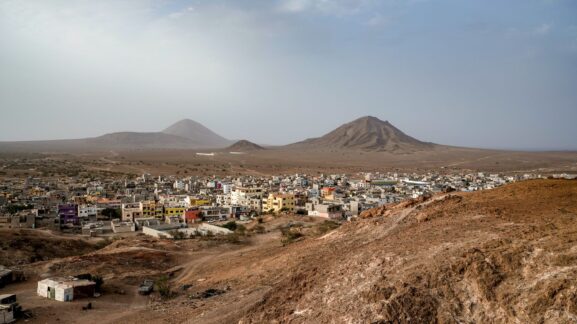
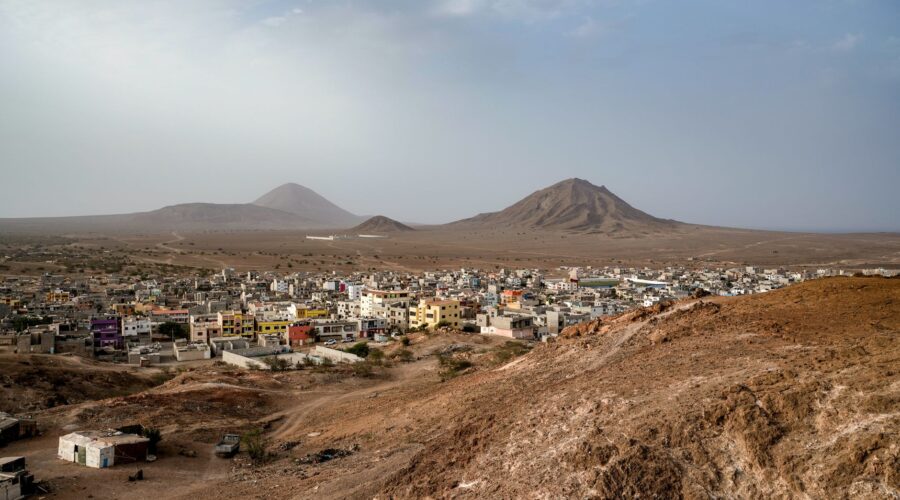
Located in Cape Verde, Tarrafal was a notorious penal colony used by the Portuguese Estado Novo dictatorship to silence dissent. For Pina, the project is deeply personal, rooted in his own family history and his grandfather’s imprisonment at the camp. However, his research expanded to highlight a frequently overlooked chapter of the site: the resistance of African political prisoners.
“That second life Tarrafal had, starting in 1962, is a phase that is spoken about very, very little in Portugal,” Pina noted. He highlighted that while the camp initially held Portuguese dissidents, it remained open until May 1974 specifically to incarcerate Angolan, Guinean, and Cape Verdean independence fighters. “It shocks me a bit that we don’t talk about the barbarities that the Portuguese Empire and Portuguese fascism committed in Africa during the Colonial War.”
Education and Collective Silence
Pina expressed sharp criticism of how Portuguese history is taught to younger generations. He described the treatment of the dictatorship in school textbooks as “absolutely negligent,” noting that few people born after the 1974 Carnation Revolution understand the true nature of Tarrafal.
He also questioned the imbalance in Portugal’s national narrative, contrasting the grand celebrations of the “Age of Discovery” with the relative silence surrounding slavery and colonial violence. “More than assertions, I am interested in dialogue,” he said, emphasizing that his goal is to bring these uncomfortable truths into the public square.
A Race Against Time
While all former Portuguese prisoners of Tarrafal have since passed away, several African survivors remain. Pina views his work as a race against time to recover their stories and honor their sacrifice.
“It is about paying proper tribute to the people who sacrificed much of their lives so that we can be here today having this conversation without major concerns about what might happen after we speak,” Pina said. Looking toward the future, however, his outlook remains cautious. “In 50 years, I’m not sure that will still be the case.”
Image: Pexels – Nico Marín