Deserto de Viana: The Saharan Desert of Boa Vista, Cape Verde
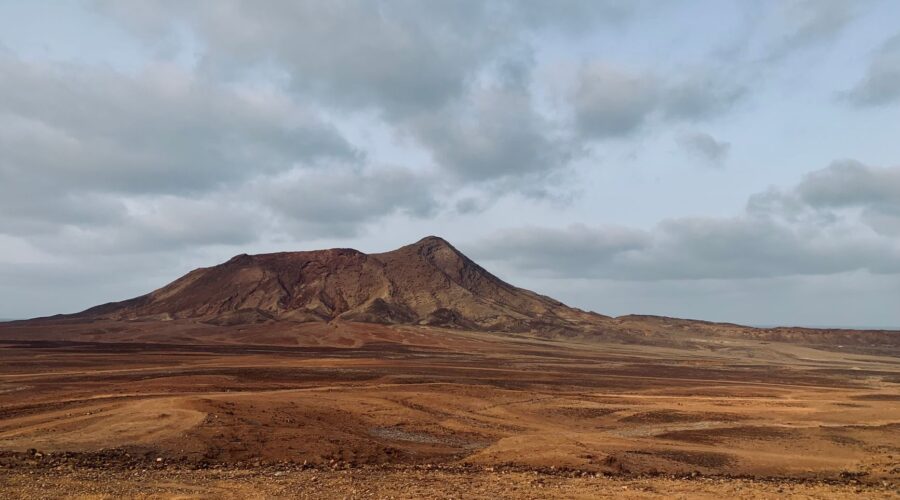
Rising like a golden mirage from the azure waters of the Atlantic, the Deserto de Viana is one of Cape Verde’s most surreal and captivating landscapes. Located on the island of Boa Vista—the easternmost island of the archipelago—this “mini-Sahara” offers a striking contrast to the volcanic peaks and lush valleys found elsewhere in the nation. For travelers seeking a blend of adventure and tranquility, Deserto de Viana represents the raw, elemental beauty of Cabo Verde.
A Saharan Gift: The Origins of the Sands
While Cape Verde is a volcanic archipelago formed 40 to 50 million years ago, the Deserto de Viana tells a different geological story. The desert is not a product of volcanic activity, but rather a gift from the African continent. Located approximately 570 kilometers off the coast of Senegal, Boa Vista is perfectly positioned to catch the relentless Saharan winds, known as the Harmattan.
Over millennia, these powerful winds have carried fine sand across the Atlantic, depositing it onto the eastern plains of Boa Vista. This continuous process has created a shifting landscape of pristine white and golden dunes that stretch for nearly 20 kilometers. Because the island is relatively flat compared to its mountainous neighbors like Santiago or Fogo, the sand is able to settle and form these massive, undulating waves that look as though they were plucked directly from North Africa.
An Island of Extremes
Cabo Verde is officially divided into two island groups: the Barlavento (windward) and Sotavento (leeward). Boa Vista belongs to the Barlavento group and is characterized by its arid, dry climate. While the interior of islands like Santo Antão receives enough rainfall to support “dry monsoon forests,” Boa Vista—and specifically Deserto de Viana—is a realm of extreme aridity.
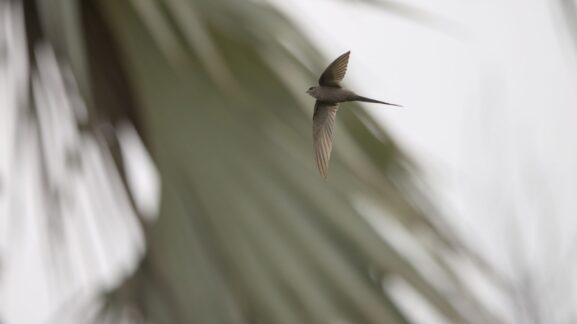
In the town of Sal Rei, near the desert, annual rainfall can be as low as 67 millimeters (2.6 inches). This scarcity of water defines the desert’s ecosystem. Yet, life persists. Visitors will often spot hardy acacia trees and sparse desert scrub fighting through the sand, their dark silhouettes providing a sharp visual counterpoint to the bright dunes. The silence here is profound, broken only by the whistling wind and the occasional call of the Iago sparrow, a bird endemic to the archipelago.
The “White Island” Experience
Often referred to as the “Dune Island” or the “White Island,” Boa Vista offers an experience that feels disconnected from time. Walking through Deserto de Viana, the sand is so fine it feels like silk beneath your feet. Because the dunes are constantly shifting, the landscape you see today may be entirely different a week later.
One of the most remarkable features of Viana is the purity of its sand. Unlike many deserts that are tinged red by iron oxide, the sands here are remarkably pale, reflecting the sunlight so intensely that sunglasses are an absolute necessity even on hazy days. The contrast between the brilliant white dunes and the deep blue Cape Verdean sky creates a photographer’s paradise, especially during the “golden hours” of sunrise and sunset.
Practical Information for Travelers
Exploring Deserto de Viana is a highlight of any trip to Cabo Verde, but it requires a bit of planning to fully enjoy the experience.
How to Get There
Most visitors reach the desert via guided tours from the main tourist hubs of Sal Rei or the large resorts on the south coast. The most popular way to traverse the dunes is by 4×4 Jeep or Quad Bike (ATV). These vehicles allow you to navigate the soft sand and reach the more remote parts of the desert where the dunes are highest.
When to Visit
The best time to visit is during the cooler months from November to June. During this time, the trade winds are consistent, making the heat manageable. If you are looking for the best photos, aim for late afternoon when the shadows lengthen, accentuating the curves and ridges of the dunes.
Sustainability and Respect
As Cape Verde works toward its goal of having 50% of its energy come from renewable sources by 2030, there is a growing emphasis on sustainable tourism. Travelers are encouraged to stay on designated tracks when using motorized vehicles to protect the fragile desert flora and the nesting grounds of local wildlife. Remember that while the desert looks vast, it is a delicate ecosystem that responds slowly to human impact.
Beyond the Sands: The Culture of Boa Vista
While the Deserto de Viana is a natural wonder, the human element of Boa Vista is equally compelling. The island is known as the birthplace of the Morna, the soulful, melancholic musical genre made world-famous by Cesária Évora. After a day in the silence of the dunes, returning to Sal Rei to hear the strings of a guitar and the rhythmic Creole lyrics in a local tavern provides a perfect cultural balance.
The island’s history is rooted in the salt trade (as seen in the name of the nearby island, Sal) and the transatlantic exchanges that shaped the Macaronesia ecoregion. Today, that history lives on in the warm hospitality of the 530,000 people who call this archipelago home—a population that embodies the “Morabeza,” the unique spirit of Cape Verdean welcome.
Conclusion
Deserto de Viana is more than just a pile of sand; it is a bridge between the African continent and the Atlantic islands. It serves as a reminder of the power of nature to transport landscapes across oceans. Whether you are racing across the dunes on a quad bike or standing in silent meditation amidst the golden waves, Viana offers a sense of freedom and wonder that is rare in the modern world. In a country known for its “green cape” (Cabo Verde), the golden heart of Viana proves that the most beautiful places are often the most unexpected.
Image: Pexels – Bibi Kiekens