Cabo Verde Embassy in Nigeria: Strengthening Regional Ties
In November 2021, a significant milestone in West African diplomacy was reached when the Republic of Cabo Verde officially opened its first embassy in Abuja, Nigeria. While the two nations have shared a history of cooperation within the Economic Community of West African States (ECOWAS), this physical diplomatic presence marked a new era of bilateral engagement. As one of Africa’s most stable democracies, Cabo Verde’s move to strengthen ties with Nigeria—the continent’s most populous nation—signals a strategic shift toward deeper regional integration and economic diversification.
A Strategic Bridge in the Atlantic
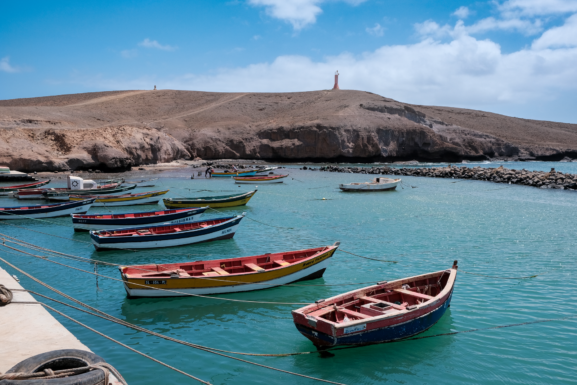
Cabo Verde, an archipelago of ten volcanic islands located approximately 570 kilometers off the coast of West Africa, has long occupied a strategic position in the Atlantic Ocean. Historically, the islands served as a vital maritime crossroads during the transatlantic era and later as a crucial re-supply point for global shipping routes, thanks to deep-water harbors like Mindelo on the island of São Vicente.
Today, the nation is officially known as the Republic of Cabo Verde, a name formalized in 2013 to honor its Portuguese etymology (meaning “Green Cape”). Despite its small land area of 4,033 square kilometers and a population of roughly 530,000, Cabo Verde punches well above its weight in international relations. The 2021 opening of the embassy in Nigeria was not merely a ceremonial act; it was a calculated step by the government in Praia to position the archipelago as a central hub for West African trade, security, and tourism.
Strengthening the ECOWAS Bond
The relationship between Nigeria and Cabo Verde is rooted in their mutual membership in ECOWAS. However, for decades, much of their interaction was conducted through multilateral forums or via non-resident representation. By establishing a permanent mission in Abuja, Cabo Verde has signaled that it views Nigeria as an indispensable partner in its “vigorously active” foreign policy.
Political Stability and Democratic Values
Cabo Verde is frequently cited by international observers, including former U.S. President Barack Obama, as an African “success story.” Ranking as one of the most democratic nations on the continent (often tied with Mauritius and South Africa), Cabo Verde brings a reputation for stability and transparency to the regional table. This democratic alignment with Nigeria’s own aspirations for regional leadership creates a solid foundation for political cooperation, particularly in addressing West African security challenges like maritime piracy and drug trafficking.
Economic Opportunities: Beyond Tourism
Lacking significant natural resources, Cabo Verde has built a resilient, service-oriented economy. While tourism remains a primary driver—centered on the sun-drenched flats of Sal and Boa Vista—the government is keen to attract Nigerian investment in other sectors. The opening of the embassy facilitates easier business exchanges in several key areas:
- Air Connectivity: Improving direct flights between Lagos/Abuja and Praia to boost tourism and trade.
- Blue Economy: Leveraging Cabo Verde’s vast maritime territory for sustainable fishing and shipping logistics.
- Renewable Energy: As a leader in sub-Saharan African renewables, Cabo Verde aims for 50% renewable energy by 2030, offering a template for technological exchange.
The “debt-for-nature” swap model recently pioneered by Cabo Verde and Portugal also serves as an intriguing case study for other West African nations looking for innovative ways to manage international debt while addressing climate change.
Cultural Exchange and the Lusophone Connection
One of the most unique aspects of Cabo Verdean identity is its status as a Lusophone (Portuguese-speaking) nation. It is a founding member of the Community of Portuguese Language Countries (CPLP). While Nigeria is Anglophone, the cultural bridge between the two is reinforced by shared West African ancestry. The Cape Verdean people trace their roots to West African populations and early Portuguese settlers, creating a vibrant Creole (Crioulo) culture that resonates with the broader African diaspora.
The embassy in Abuja serves as a cultural portal, promoting Cape Verdean music (such as Morna), literature, and the unique history of islands like Santiago—home to the capital, Praia, and the UNESCO World Heritage site of Cidade Velha, the first permanent European settlement in the tropics.
Practical Information for Travelers and Investors
For Nigerians and international residents in Nigeria, the embassy provides essential services that were previously difficult to access. This includes visa processing, trade inquiries, and support for the growing number of West Africans looking to explore Cabo Verde’s diverse landscapes—from the active volcano of Pico do Fogo to the lush, humid forests of the mountain islands.
Looking Ahead: A New Chapter
The opening of the Cabo Verdean Embassy in Nigeria in November 2021 was more than just the inauguration of a building; it was the opening of a door. As Cabo Verde continues to navigate the challenges of the 21st century—including climate change, where it stands on the “frontlines of the existential crisis” according to UN Secretary-General António Guterres—partnerships with regional giants like Nigeria are essential.
By fostering closer ties, both nations stand to gain. Nigeria gains a stable, democratic partner with a strategic Atlantic foothold, while Cabo Verde integrates more deeply into the economic engine of the African continent. This diplomatic milestone ensures that the “Green Cape” remains a vital, connected, and influential part of the West African story.
Image: Pexels – Leonid Altman