Cidade Velha: Cape Verde’s Historic First Tropical Settlement
Nestled on the southern coast of Santiago Island in the Republic of Cabo Verde lies a place of profound historical weight. Cidade Velha, formerly known as Ribeira Grande, holds the prestigious title of the first permanent European settlement in the tropics. Once a bustling epicenter of global trade and a tragic focal point of the transatlantic slave trade, it is today a UNESCO World Heritage site that offers a hauntingly beautiful window into the dawn of the modern era.
The Birth of a Tropical Outpost
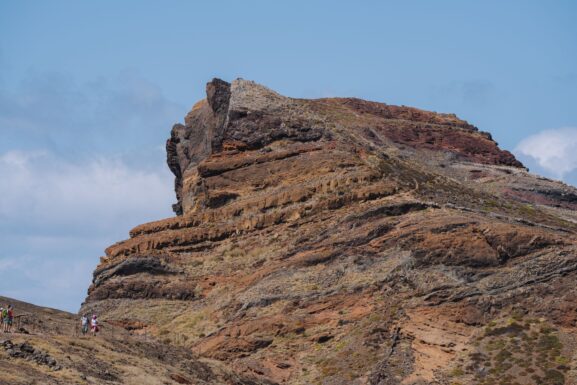
The story of Cidade Velha began in the mid-15th century. Before the arrival of Portuguese explorers, the ten volcanic islands that make up the Cape Verde archipelago were entirely uninhabited. Formed 40 to 50 million years ago, these islands sat in isolation until Genoese and Portuguese navigators, including António de Noli and Diogo Gomes, first sighted them around 1456.
In 1462, the Portuguese established a settlement at a site they called Ribeira Grande (Great River) due to the presence of a freshwater stream—a rare and precious resource in the arid Macaronesian climate. This wasn’t merely a temporary camp; it was a deliberate attempt to build a permanent European society in a tropical environment, a feat never achieved before by Europeans.
A Strategic Crossroads
The success of Ribeira Grande was driven by its geography. Located roughly 600 to 850 kilometers off the coast of West Africa, the islands served as a natural replenishment station for ships navigating the central Atlantic. During the 16th and 17th centuries, the town saw rapid economic growth. It became a vital maritime hub where manufactured goods, rum, and cloth were traded for ivory, gold, and, most significantly, human beings.
The Dark Legacy: The Heart of the Slave Trade
While the architectural beauty of Cidade Velha is undeniable, its history is inextricably linked to the transatlantic slave trade. Its strategic position made it a central clearinghouse for slaves captured along the West African coast before they were shipped to the Americas. This dark chapter of history shaped the very identity of Cape Verde; the modern Cape Verdean people trace their ancestry to a blend of West African populations and early Portuguese settlers.
Remnants of this era are still visible today. The Pelourinho (pillory), an ornate stone post erected in 1512 in the town’s main square, stands as a chilling monument to this period. It was here that enslaved people were publicly punished and sold. Today, it serves as a place of reflection on the resilience of the Cape Verdean spirit and the complex cultural creolization that resulted from this intersection of continents.
Architectural Splendor and Pirate Raids
As the town grew in wealth, it also grew in grandeur. By the 16th century, Ribeira Grande was a sophisticated city with a cathedral, grand houses, and several churches. The Sé Catedral, which began construction in 1555, remains one of the site’s most impressive ruins, reflecting the city’s former status as a bishopric seat.
However, wealth also brought danger. The city’s prosperity caught the attention of European rivals and privateers. The legendary English privateer Sir Francis Drake sacked Ribeira Grande twice in 1585. These constant threats led to the construction of the Fortaleza Real de São Filipe in 1587. Perched high on a cliff overlooking the city, the fort provides a stunning panoramic view and served as the primary defense against pirate attacks for centuries.
The Decline and Transformation
The city’s dominance eventually began to wane. A devastating French attack in 1712 crippled the settlement, and combined with a series of persistent droughts, the population began to look elsewhere. In 1770, the administrative capital was moved to the nearby, more defensible plateau of Praia. The once-great Ribeira Grande was renamed Cidade Velha (Old City) to distinguish it from the new settlements, and it slowly transitioned into a quiet fishing village, preserving its ruins in a sort of historical amber.
Cidade Velha Today: A UNESCO World Heritage Site
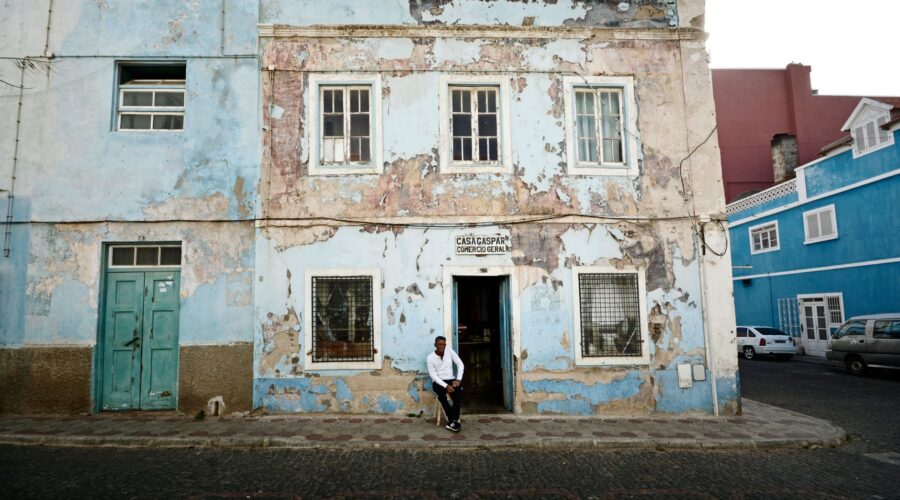
In 2009, UNESCO recognized Cidade Velha as a World Heritage site, citing its “exceptional testimony to the first European colonial outpost in sub-Saharan Africa.” For modern visitors, the town is an open-air museum. Walking through the Rua Banana, the oldest street in sub-Saharan Africa with its traditional stone houses and thatched roofs, feels like stepping back 500 years in time.
What to See When You Visit:
- Fortaleza Real de São Filipe: The best-preserved structure, offering insights into 16th-century military engineering.
- Nossa Senhora do Rosário Church: Built in 1495, it is one of the oldest colonial churches in the world and features beautiful Manueline (Portuguese Gothic) architecture.
- The Pelourinho: The 16th-century Manueline-style pillar in the main square.
- Convento de São Francisco: The ruins of a 17th-century Franciscan monastery.
Cultural Context: The Birth of Crioulo
Beyond the stone and mortar, Cidade Velha is the birthplace of the Cape Verdean Creole (Crioulo). As Portuguese settlers and Africans from various ethnic groups interacted, a new language emerged. Today, while Portuguese remains the official language, Crioulo is the recognized national language, spoken by the vast majority of the population. This linguistic evolution is perhaps the most enduring legacy of the settlement’s early years.
Travel Tips for the International Visitor
Cape Verde is now one of the most stable and democratic nations in Africa, making it a safe and welcoming destination for history buffs and sun-seekers alike.
Getting There: Most international flights land at Nelson Mandela International Airport (RAI) in Praia. Cidade Velha is only a 15-to-20-minute drive from the capital.
Climate: The weather is mild year-round, with average temperatures between 22°C (72°F) and 27°C (81°F). However, the sun is strong, so hydration and sun protection are key.
Sustainable Tourism: Cabo Verde is a leader in renewable energy. Visitors are encouraged to support local businesses in Cidade Velha to help preserve the heritage site and support the local economy, which relies heavily on tourism.
Final Thoughts
Cidade Velha is more than just a collection of ruins; it is the cradle of the Atlantic world. It represents a pivotal moment in human history where continents first collided, leading to the creation of a unique, vibrant, and resilient culture. Whether you are exploring the ramparts of Fort São Filipe or enjoying a fresh fish lunch by the Atlantic shore, a visit to this “Old City” is a journey to the very beginning of our modern global story.
Image: Pexels – damien Saillet