The Pijiguiti Massacre: A Turning Point for PAIGC & Independence
History is often measured by the slow passage of decades, but it is frequently defined by a single, shattering moment. For the people of Cape Verde (Cabo Verde) and Guinea-Bissau, that moment occurred on August 3, 1959. On the docks of the Pijiguiti Quay in Bissau, the spray of bullets from Portuguese colonial police did more than just end the lives of dozens of striking dockworkers; it killed the hope for a peaceful transition to independence and ignited one of the most effective armed liberation movements in African history.
The Roots of Discontent: Life Under the Estado Novo
In the mid-20th century, Cape Verde and Portuguese Guinea (now Guinea-Bissau) were held tightly by the Estado Novo regime of António de Oliveira Salazar. While the rest of the world was beginning to feel the winds of decolonization, Portugal tightened its grip, reclassifying its colonies as “overseas provinces” in 1951. This was a superficial legal change designed to bypass United Nations scrutiny, but on the ground, the reality remained the same: forced labor, exploitation, and a complete lack of political autonomy.
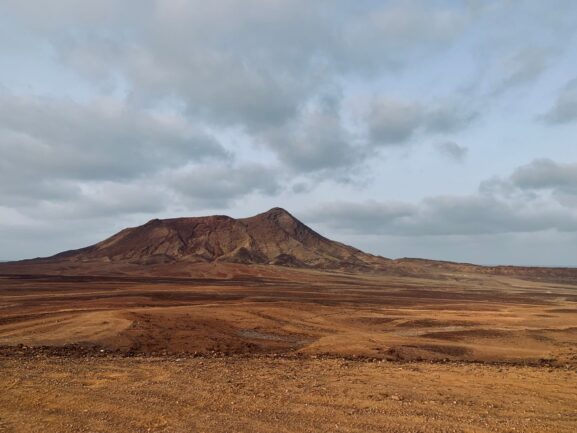
Cape Verde, an archipelago shaped by 50 million years of volcanic activity and centuries of colonial history, was particularly vulnerable. Frequent droughts and a lack of sustainable investment from Lisbon left the population in a state of perpetual struggle. It was within this environment of systemic neglect that Amílcar Cabral, a Cape Verdean agronomist, began to organize. In 1956, he and a small group of activists founded the African Party for the Independence of Guinea and Cape Verde (PAIGC).
The Philosophy of Non-Violence
Today, the PAIGC is remembered for its military prowess and the eventual defeat of the Portuguese army, but its beginnings were remarkably different. For the first three years of its existence, the PAIGC followed a philosophy of non-violent civil disobedience. Cabral, a brilliant intellectual, believed that through strikes, urban protests, and diplomatic pressure, the colonial administration could be persuaded to grant independence.
The party focused on organizing the urban working class—those with the most leverage over the colonial economy. Nowhere was this leverage more apparent than in the maritime industry. The Pijiguiti Quay in Bissau was the heartbeat of the colony’s trade, and it was here that the dockworkers, many of whom were members or sympathizers of the PAIGC, decided to demand better pay and working conditions.
August 3, 1959: The Massacre at Pijiguiti
On the morning of August 3, dockworkers at Pijiguiti went on strike. They were demanding wage increases to combat the rising cost of living and the brutal conditions of their labor. The colonial response was swift and disproportionate. Fearful that the strike would embolden the growing nationalist movement, the Portuguese authorities deployed the PIDE (secret police) and armed military units.
The confrontation escalated rapidly. As the workers refused to back down, the security forces opened fire. In a matter of minutes, the quay was stained with blood. While the official Portuguese reports attempted to downplay the casualties, historical accounts suggest that more than 50 workers were killed and hundreds more were wounded. The “Pijiguiti Massacre” became a rallying cry throughout Lusophone Africa.
Interesting Facts: The Legacy of Pijiguiti
- The date of the massacre, August 3, is now observed as a national Day of Martyrs in Guinea-Bissau.
- Amílcar Cabral was not present during the massacre, but the event fundamentally altered his worldview and strategy.
- The massacre provided the PAIGC with international sympathy, painting the Portuguese regime as an unyielding, violent aggressor.
The Turning Point: Shifting to Armed Struggle
The massacre at Pijiguiti was a brutal lesson for the PAIGC leadership. It proved that the Estado Novo would not be moved by moral appeals or economic disruptions; it only respected force. In the immediate aftermath, Cabral and the party leadership met in a clandestine session and made the pivotal decision: non-violence had failed. The only way to achieve freedom for Cape Verde and Guinea-Bissau was through armed struggle.
This shift required a total reorganization of the party. The headquarters were moved to Conakry in the neighboring Republic of Guinea, where President Ahmed Sékou Touré offered a safe haven. Cabral began a sophisticated program of political education, instructing his soldiers that the war was not against the Portuguese people, but against the colonial system.
From Sabotage to Full-Scale War
The armed rebellion began in earnest in 1961, starting with acts of sabotage on infrastructure and communications. By the mid-1960s, it had evolved into one of the most successful guerrilla wars on the continent. The PAIGC’s strategy was unique because it integrated the struggles of the mainland (Guinea-Bissau) and the archipelago (Cape Verde).
While the geography of Cape Verde—separated from the mainland by 600 kilometers of ocean—made it difficult to conduct guerrilla warfare on the islands, the PAIGC used the mainland war to exhaust the Portuguese military. By 1972, the PAIGC controlled nearly two-thirds of Guinea-Bissau. This pressure, combined with other colonial wars in Angola and Mozambique, eventually led to the “Carnation Revolution” in Portugal in April 1974, which finally collapsed the colonial regime.
Independence and the Democratic Success Story
Amílcar Cabral did not live to see the fruits of the seeds he sowed; he was assassinated in 1973. However, his brother, Luís Cabral, helped lead the final transition. Cape Verde officially became independent on July 5, 1975.
The transition from a revolutionary movement to a governing body was not without its challenges, yet Cape Verde has emerged as a beacon of stability in West Africa. Since the early 1990s, the country has maintained a robust representative democracy. As of 2024, it is consistently ranked as one of the most democratic and developed nations in Africa, boasting a service-oriented economy and a flourishing tourism sector across its ten volcanic islands.
Conclusion
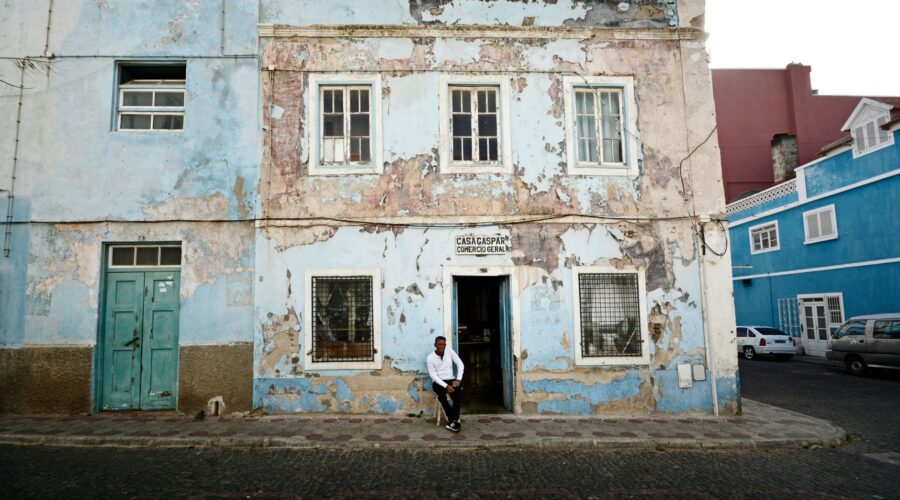
The 1959 Pijiguiti Massacre is more than just a tragic footnote in history; it was the catalyst for a transformation. It turned a group of intellectuals and workers into a disciplined liberation army and eventually led to the birth of two independent nations. Today, as visitors enjoy the vibrant culture of Praia or the scenic beauty of Mindelo, the legacy of those who stood their ground at the docks in 1959 remains a foundational pillar of Cape Verdean identity—a reminder that the road to democracy was paved with the courage of those who dared to demand dignity.
Image: Pexels – damien Saillet