CPLP 30th Anniversary: An ‘Invisible’ Union Faces the Future
As the Community of Portuguese Language Countries (CPLP) prepares to celebrate its 30th anniversary this week, a series of interviews across its member states has revealed a sobering reality: most citizens have no idea the organization exists.
From the streets of Luanda and Brasília to the hubs of Lisbon and Dili, people interviewed by Lusa expressed a profound detachment from the intergovernmental body. While the CPLP was founded to foster unity and cooperation among Lusophone nations, many young citizens admitted they could not even define what the acronym stands for.
A Continent-Spanning Identity Crisis
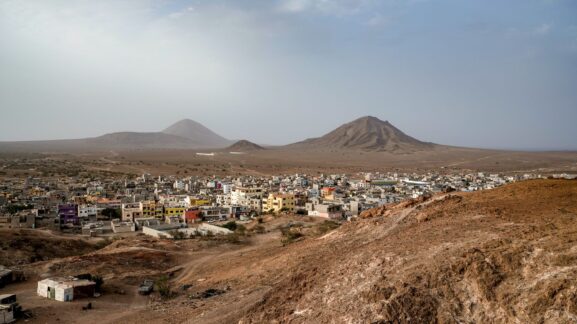
In Cape Verde, 19-year-old Edsom Lopes told reporters he had never heard of the organization. His sentiment was echoed thousands of miles away in Portugal by 25-year-old Leonor Dias, who noted that the CPLP has apparently “failed to connect with people and make itself known.”
The story was the same in Brazil, the bloc’s most populous member. Eighteen-year-old Maria Luíza Martello said it was her first time hearing the name, while Vinicius Renato, 47, noted he had only seen occasional, uninteresting references to it online. In Mozambique, 23-year-old Cesária Uqueio was equally blunt, stating she was completely unaware of the organization’s function.
Mobility: The CPLP’s Greatest Untapped Potential
For those who were aware of the CPLP, one topic dominated the conversation: freedom of movement. Citizens across Africa and Southeast Asia view the organization not as a political talk-shop, but as a potential gateway for education and economic opportunity.
“There is room to evolve, especially in facilitating mobility between countries,” said Miriam Tavares, an 18-year-old from Cape Verde. In São Tomé and Príncipe, 27-year-old Virgínia Varela urged the community to take a more relevant role in helping African students travel to Portugal or Brazil for studies.
In Timor-Leste, the focus shifted to the economy. “The organization should better exploit the economic potential of the Lusophone space and create opportunities for new generations,” said João Brites, 28, who called for more university scholarships and stronger academic exchanges.
Visible Benefits vs. Invisible Diplomacy
Despite the general lack of awareness, some pointed to slow but steady progress. Jamil Oliveira, a 20-year-old in Angola, highlighted the practical benefits of the CPLP visa and the mutual recognition of driving licenses in Portugal. However, he warned that the organization remains largely unpopular among the youth.
Academic Edvalda Mendes, a university professor in Angola, noted that while the “potential” for mobility and exchange is immense, the CPLP struggles to communicate these concrete benefits to the public. In Portugal, Mário Basílio, 32, remarked that bilateral relations between individual countries still seem far more impactful than anything the CPLP does as a collective.
Looking Toward the Future
As the CPLP marks three decades on July 17, the message from the streets is clear. While citizens value the shared heritage of the Portuguese language, they are demanding an organization that is more visible, more active, and more effective in improving their daily lives.
The CPLP comprises nine member states: Angola, Brazil, Cape Verde, Guinea-Bissau, Equatorial Guinea, Mozambique, Portugal, São Tomé and Príncipe, and Timor-Leste.
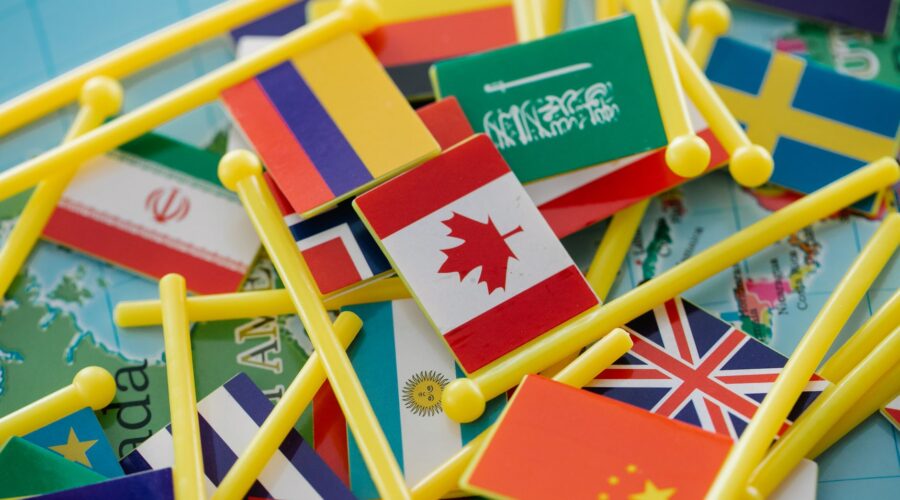
Image: Pexels – Lara Jameson