Equatorial Guinea’s CPLP Membership Secure, Says Portugal
Equatorial Guinea’s status as a member of the Community of Portuguese Language Countries (CPLP) is not currently up for debate, despite ongoing concerns regarding its human rights record and legal framework, according to Portuguese Minister of Foreign Affairs Paulo Rangel.
Speaking to the Lusa news agency ahead of the organization’s 30th anniversary on July 17, Rangel addressed persistent criticism from analysts who argue the country has failed to meet the conditions of its 2014 admission. Chief among these concerns is the fact that while Equatorial Guinea has removed the death penalty from its Penal Code, the practice remains enshrined in its Constitution and permitted under Military Law.
“It is a member, like all others,” Rangel stated, downplaying the current controversy. However, he acknowledged that the nation “naturally” has “a path to follow,” particularly in strengthening the use of the Portuguese language and adhering to the organization’s core values.
A Diplomatic Balance Between Sovereignty and ‘Pedagogy’
Equatorial Guinea joined the CPLP during the 2014 summit in Dili, East Timor. At the time, it committed to a roadmap that included two primary pillars: promoting the Portuguese language and the total abolition of capital punishment. A decade later, critics argue the progress has been superficial.
Rangel explained that while Portugal and other member states respect the sovereignty of individual nations, they continue to exert influence through “pedagogy.”
“There are often conversations aimed precisely at favoring democracy, favoring human rights, and favoring international law,” the minister said. He noted that member states often share visions of improvement “on the sidelines of multilateral meetings” to help the community assert itself globally as an entity defined by shared democratic values.
Three Decades of the Lusophone Community
Despite the friction over Equatorial Guinea’s domestic policies, Rangel remains firm that the country’s membership is consolidated. “Sincerely, I do not think there is currently an issue regarding Equatorial Guinea as such,” he concluded.
The CPLP was founded to foster cooperation among Portuguese-speaking nations. In addition to Equatorial Guinea and Portugal, the community includes Angola, Brazil, Cape Verde, Guinea-Bissau, Mozambique, São Tomé and Príncipe, and East Timor.
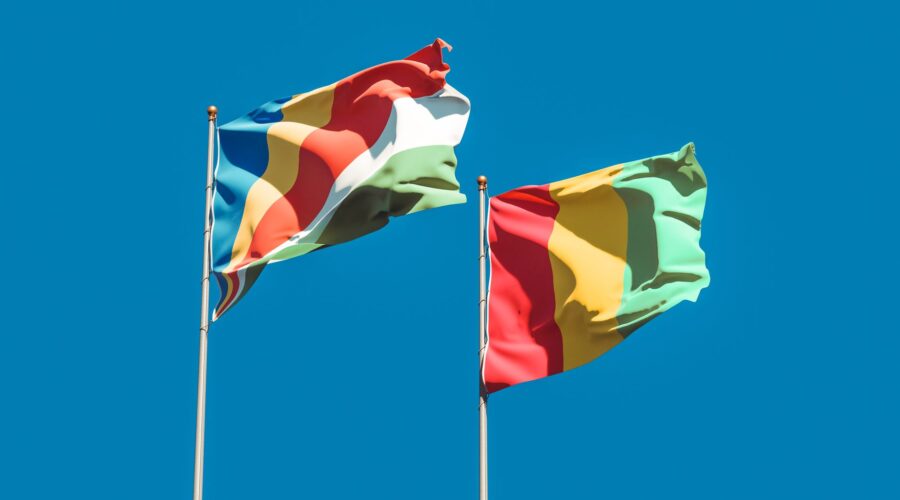
Image: Pexels – Leonid Altman