Cape Verde Unveils Green Finance Framework for Energy & Water
The Bank of Cape Verde (BCV) has officially launched a public consultation on the nation’s first sustainability taxonomy, a move designed to direct investment toward green initiatives in the critical water and energy sectors. The consultation will remain open until August 10, according to documents released by the central bank.
A Roadmap for Climate Resilience
The proposed taxonomy establishes rigorous technical criteria to classify whether specific economic activities are truly sustainable. By defining these standards, the BCV aims to create a practical investment framework that supports Cape Verde’s shift toward a low-carbon, resource-efficient, and climate-resilient economy.
While Cape Verde boasts immense potential in renewable energy, maritime activities, and tourism, the archipelago remains highly vulnerable to external shocks, including prolonged droughts, rising sea levels, and climate fluctuations. The new classification system is intended to mitigate these risks by highlighting “eligible activities” that contribute to climate change adaptation and mitigation.
Defining Sustainability Standards
The first iteration of the taxonomy is structured around seven core pillars: six environmental objectives and one social objective.
- Climate change mitigation and adaptation
- Sustainable use and protection of water and marine resources
- Transition to a circular economy
- Pollution prevention and control
- Protection and restoration of biodiversity and ecosystems
- Social development
In this initial draft, the BCV has prioritized detailed technical criteria for climate change mitigation and adaptation. The other environmental goals are currently managed through the “do no significant harm” principle, ensuring that progress in one area does not come at the expense of another.
International Collaboration
The development of this framework has been an international effort. The BCV drafted the proposal with support from the European Union (EU) via the EU Sustainable Finance Advisory Hub. This program is implemented by the United Nations Development Programme (UNDP), with further technical contributions from the Sustainable Finance Taxonomy Mapper.
By aligning its financial standards with international best practices, Cape Verde is positioning itself to attract more “green” capital, ensuring that its future investments in energy and water are both environmentally sound and economically viable.
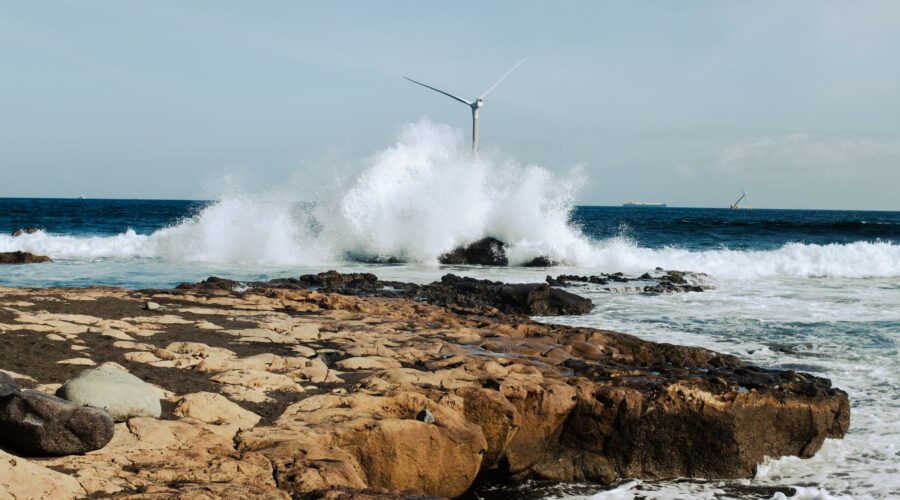
Image: Pexels – Annelies Brouw