
Brazil and São Tomé Seek UNESCO World Heritage Status
Brazil and São Tomé and Príncipe are leading a new wave of Portuguese-speaking nations seeking prestigious UNESCO World Heritage status. The bids will be evaluated during the 48th session of the World Heritage Committee, scheduled to take place in Busan, South Korea, from July 20 to 29.
Amazonian Opulence vs. Colonial Legacy
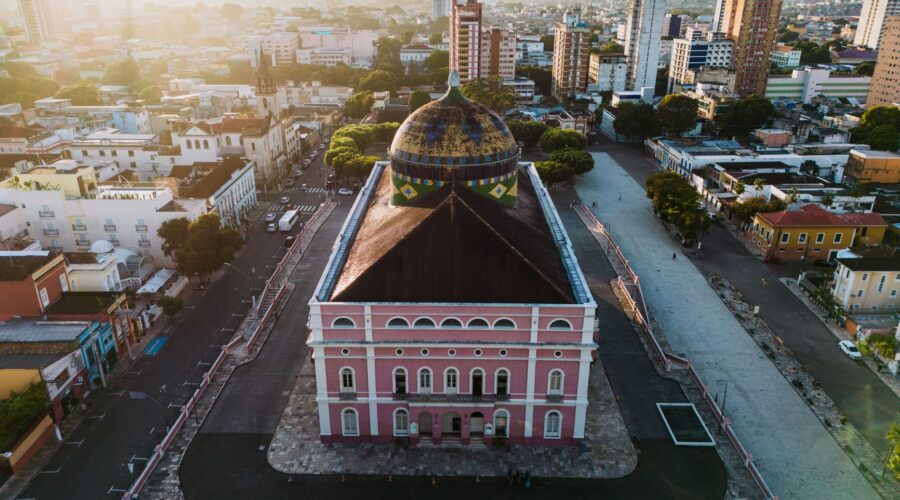
Brazil’s nomination, titled “Theaters of the Amazon,” highlights two architectural jewels born from the 19th-century rubber boom: the Teatro Amazonas in Manaus and the Teatro da Paz in Belém. These grand structures served as symbols of European-style civilization transplanted into the heart of the tropics. According to the Brazilian delegation, both theaters maintain leur original architectural integrity and continue to dominate the skylines of the region’s two largest urban centers.
Conversely, São Tomé and Príncipe is seeking recognition for a darker chapter of history with its bid, “The Roças of São Tomé and Príncipe: Colonial Agricultural System and Forced Migration.” The roças (estates) represent a feudal-style agrarian system that dominated the islands during the peak of cocoa and coffee production. The candidacy emphasizes that these sites were built on forced labor, drawing workers from across the African continent, including Angola, Mozambique, and Cape Verde.
Preserving Authenticity
The Santomean proposal highlights sites like Sundy, Monte Café, and Água-Izé, noting that their original social infrastructures—including hospitals, schools, and nurseries—remain intact. These elements provide a raw, unaltered look at the social hierarchy and logistical complexity of the colonial plantation system.
Global Competition and Conservation
The upcoming summit in South Korea will be a busy one. The committee is set to examine 30 new site proposals and review the conservation status of 147 locations already on the list. Other notable African contenders include:
- South Sudan: The Boma-Badingilo Migratory Landscape (Natural Category).
- Comoros: The Medinas of the Historic Sultanates (Cultural Category).
- Democratic Republic of Congo: Garamba National Park (Cultural Category).
Portugal is also in the running within the cultural category for its “Border Bastion Fortifications.”
What World Heritage Status Means
Currently, the World Heritage List includes 1,248 sites across 170 countries. Achieving UNESCO status is more than a badge of honor; it recognizes a location’s “outstanding universal value” and legally binds member states to protect and preserve these sites for future generations. For Brazil and São Tomé and Príncipe, a successful bid would bring increased international visibility and vital resources for cultural preservation.
Image: Pexels – K