Cape Verde Diaspora Celebrates Historic World Cup Run
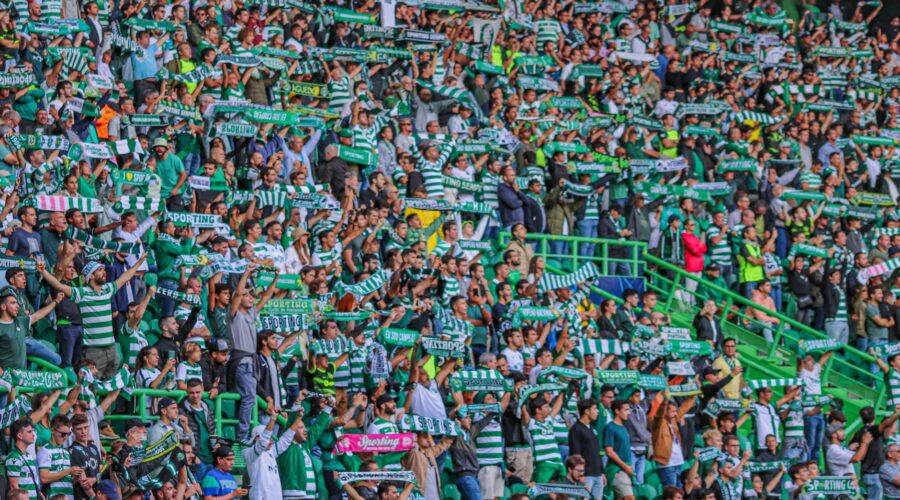
In the heart of Lisbon’s Cova da Moura neighborhood, the atmosphere was electric. Under a wide sky and the shade of a loquat tree, nearly a hundred residents gathered to witness history: the Cape Verde national team, the “Blue Sharks,” securing their place in the knockout stages of the 2026 FIFA World Cup.
The night was not without its technical challenges. Fans waited 15 minutes for a picture to appear and another 15 for sound, but when the connection finally stabilized, the community erupted. Set against a backdrop of dim street lighting and the smoky aroma of grilled meat and traditional corn pastéis, the match became a shared experience of nervous energy and pride.
A Community United by Football
On the sidelines, the rhythmic sound of canequinha (a traditional dice game) provided a soundtrack to the tension on screen. Fans of all ages groaned at missed shots and cheered for the heroics of Vozinha, the goalkeeper who skyrocketed to 16 million Instagram followers following an earlier standout performance against Spain.
“People can come here at night, eat, drink, and enjoy themselves to the fullest while watching the game,” said Reginaldo Spínola, a leader of the Moinho da Juventude association. Spínola highlighted the “strong affection” pouring in from the Cape Verdean diaspora worldwide, noting that the team has defied critics who expected them to fall early.
“We have finally appeared on the map; everyone knows Cape Verde now,” Spínola added. “Cape Verde has always been in fashion, but this is very special for us.”
The Power of the Diaspora
Cova da Moura, located in the municipality of Amadora, is home to one of the largest Cape Verdean communities in Portugal. The diaspora remains a powerhouse for the nation; there are four times as many Cape Verdeans living abroad as there are on the archipelago itself. The national team reflects this global identity, with more than half of the squad born outside the islands but maintaining a deep emotional bond with their heritage.
The evening was a quintessential celebration of morabeza—the Creole word for the islands’ legendary hospitality. Even when technical glitches repeatedly suspended the broadcast, the crowd remained undeterred. In a community where resilience is a way of life, a frozen screen was a minor detail. During halftime, the tension gave way to music and dancing.
‘Football Belongs to the Poor’
The “Blue Sharks” secured their advancement following a calculated draw against Saudi Arabia. The result validated the philosophy of head coach Pedro Leitão Brito, known as “Bubista,” who famously reminded the world that “football belongs to everyone… it belongs to the poor too.”
As the final whistle blew, fireworks lit up the Amadora sky. Maria da Luz, wrapped tightly in the national flag, summed up the neighborhood’s sentiment. Originally from the island of São Vicente, she watched the match with unwavering faith. “We are already champions,” she said.
Image: Pexels – Beachbumology .