CPLP ‘Not Felt’ by Citizens: Former Chief Warns of Crisis
As the Community of Portuguese Language Countries (CPLP) approaches its 30th anniversary, former Executive Secretary Murade Murargy warned that the organization remains largely invisible to the millions of citizens it represents. While the body has survived decades of political shifts, Murargy argues it has failed to deliver tangible benefits to the people of its nine member states.
A “Mirage” of Mobility
In a candid interview with Lusa, the Mozambican diplomat highlighted that the much-touted mobility and social security agreements remain largely theoretical. Despite a legal framework being in effect since 2022 to facilitate movement between nations, recent policy shifts—particularly in Portugal—have reinstated bureaucratic hurdles like mandatory prior consular visas.
“Mobility within the community is a mirage,” Murargy stated. “Without the free movement of people, no cooperation can truly work. We need a serious assessment at the next summits because currently, governments are giving these agreements no importance at all.”
“Nobody Eats Language”
Reflecting on his tenure from 2012 to 2016, Murargy recalled his mandate to make the CPLP more visible. He argued that the organization’s historic focus on the Portuguese language, while important, is insufficient for the modern needs of its citizens.
“The language—as East Timorese leader Xanana Gusmão used to say—we all speak, well or poorly. But nobody eats language,” Murargy remarked. He emphasized that while the CPLP added “Economic Cooperation” to its pillars in 2021, the transition from rhetoric to reality has been slow. He called for member states to create favorable investment climates and tax incentives to stimulate real growth.
A Crisis of Human Development
Murargy, who now serves as an advisor to Equatorial Guinea, pointed out a stark irony: while the CPLP nations are exceptionally rich in natural resources, their populations remain stagnant in terms of quality of life.
“The CPLP should not have neglected human development, just as the nations themselves did,” he said. “People still question what the entity is for because they do not feel its impact on their lives.”
Thirty Years of Survival
Despite his criticisms, Murargy credited the organization’s survival to the dedication of its staff and leadership, noting that it has managed to navigate “deserts and mountains” to stay relevant for three decades. However, he warned that for the CPLP to thrive in the future, it must move beyond being a club for diplomats and become a functional community for its people.
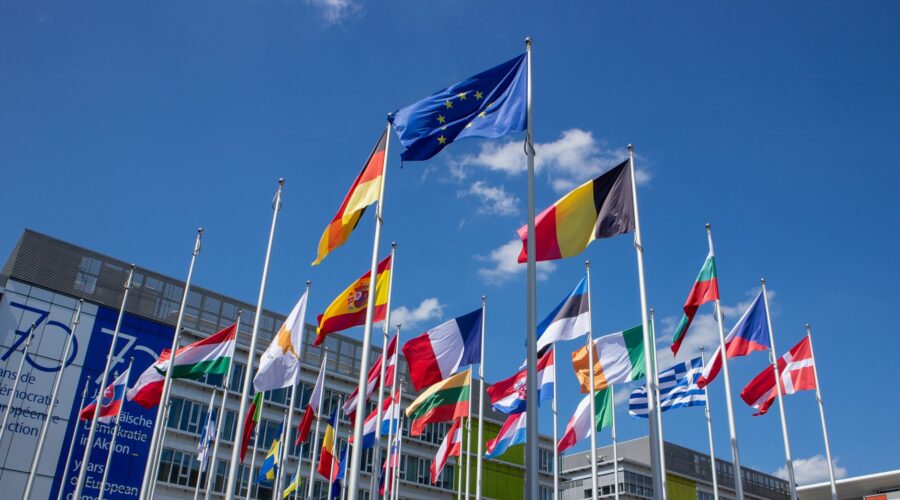
Founded on July 17, 1996, the CPLP comprises Angola, Brazil, Cape Verde, Guinea-Bissau, Equatorial Guinea, Mozambique, Portugal, São Tomé and Príncipe, and East Timor.
Image: Pexels – Gintare K.