Cape Verde 2026 World Cup Debut: A Historic Island Milestone
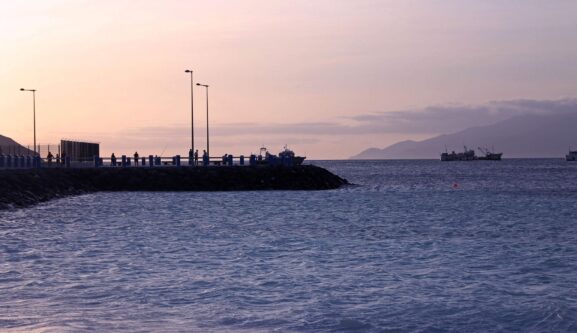
In the world of international football, few stories resonate as powerfully as the rise of the “underdog.” For the Republic of Cabo Verde, a mid-Atlantic archipelago with a population of fewer than 500,000 people, the journey toward the 2026 FIFA World Cup represents more than just a sporting endeavor—it is a historic milestone for small island nations everywhere. As the “Blue Sharks” (Tubarões Azuis) prepare to make their mark on the world stage, they carry with them the pride of ten volcanic islands and a global diaspora that spans from New England to Lisbon.
A Giant Leap for a Small Nation
Cape Verde’s ascent in African football has been nothing short of meteoric. For a country that only gained independence from Portugal in 1975, the development of a world-class national team is a testament to the nation’s stability and strategic planning. Despite being among the least populous countries in Africa, Cape Verde has consistently punched above its weight, proving that size is no barrier to excellence in the “beautiful game.”
The 2026 FIFA World Cup, which will be expanded to 48 teams and hosted across Canada, Mexico, and the United States, provides the perfect stage for Cape Verde’s debut. The expansion of the tournament has opened doors for emerging nations, but Cape Verde’s qualification is far from a fluke. Over the last decade, the Blue Sharks have become a fixture in the later stages of the Africa Cup of Nations (AFCON), famously reaching the quarter-finals and earning a reputation as a “giant killer.”
The Diaspora Secret: A Global Talent Pool
One of the unique advantages Cape Verde possesses is its massive diaspora. There are more Cape Verdeans living abroad—primarily in the United States, Portugal, France, and the Netherlands—than on the islands themselves. This global presence has created a unique scouting network. Many of the national team’s stars are “luso-descendants” or members of the diaspora who have chosen to represent their ancestral homeland over European powerhouses.
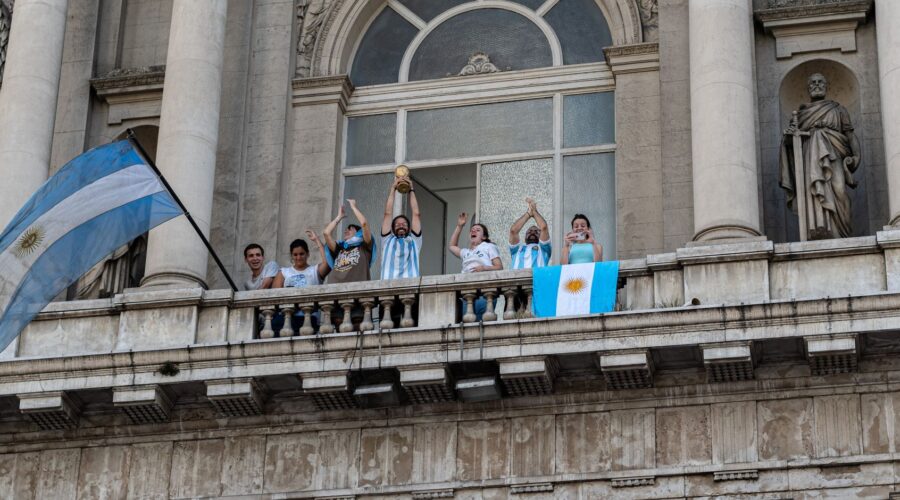
The blend of technical skill learned in top European academies and the fierce national pride (known as Morabeza) has forged a team that is tactically disciplined and emotionally resilient. This connection to the diaspora ensures that when Cape Verde plays in 2026, they will have “home” crowds in cities like Boston, Providence, and Pawtucket, which host some of the largest Cape Verdean communities in the world.
Building Success on Stability
Cape Verde’s success on the pitch is a reflection of its success as a state. Recognized by former U.S. President Barack Obama as a “real success story,” the country is one of Africa’s most stable representative democracies. Since the early 1990s, Cabo Verde has maintained a high standard of governance, which has allowed for consistent investment in youth development and sports infrastructure.
Unlike many nations that struggle with internal conflict, Cape Verde has focused its national energy on development. From being declared malaria-free in early 2024 to its leadership in renewable energy—aiming for 50% renewable sources by 2030—the country’s forward-thinking approach translates to the football pitch. The federation’s ability to organize, recruit, and maintain a professional environment has made the Blue Sharks a model for other small nations.
Key Facts About Cape Verde
- Geography: An archipelago of 10 volcanic islands 570km off the coast of Senegal.
- Population: Roughly 491,233 (2021 census).
- Nickname: Tubarões Azuis (Blue Sharks).
- Capital: Praia, located on the island of Santiago.
- Language: Portuguese (official) and Cape Verdean Creole (national).
The Road to 2026: Cultural Impact
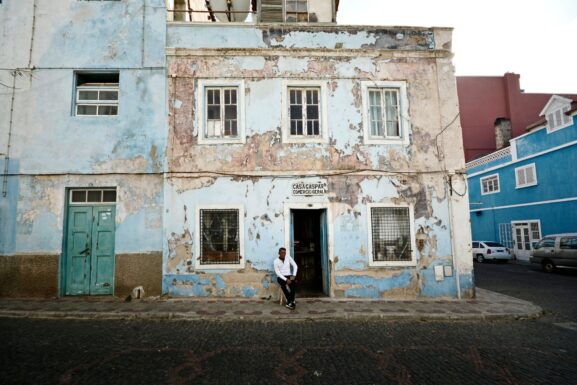
The excitement surrounding the 2026 World Cup debut is palpable in the streets of Mindelo and Praia. For the locals, football is more than a sport; it is an expression of identity. The islands, formed 40 to 50 million years ago, have a history shaped by their strategic position in the Atlantic. Once a major hub for the transatlantic trade, Cape Verde is now reclaiming its place in the world as a cultural and sporting hub.
The 2026 debut is expected to provide a significant boost to the country’s tourism-oriented economy. As the world learns about the “green cape” (Cabo Verde), travelers are discovering the diverse landscapes of the archipelago—from the flat, sandy beaches of Sal and Boa Vista to the towering active volcano, Pico do Fogo. The World Cup serves as a global advertisement for the country’s beauty and its people’s hospitality.
Looking Ahead: Challenges and Aspirations
While the Blue Sharks have proven they can compete with the best, the challenges of a World Cup are immense. Grouped against global titans, the team will rely on its defensive solidity and the flair of its attackers. Their performance will be a beacon of hope for other small nations like Iceland or Montenegro, proving that a population of under half a million can produce a world-class eleven.
As Cape Verde prepares for its historic debut, the narrative is clear: this is a nation that has overcome drought, economic hardship, and colonial struggle to emerge as a beacon of democracy and a burgeoning powerhouse in sports. When the anthem plays in 2026, it won’t just be eleven players on the pitch—it will be five centuries of history and a global community of millions cheering for the Blue Sharks.
Conclusion
Cape Verde’s 2026 FIFA World Cup debut is a triumph of spirit over statistics. It highlights the power of a well-organized diaspora, the benefits of political stability, and the pure passion for football that defines the Lusophone world. For the international audience, the Blue Sharks are the team to watch—not just for their skill, but for the incredible story of a small island nation that dared to dream big and finally caught the world’s attention.
Image: Pexels – Fabrizio Velez