Today in History: Magna Carta to Cristiano Ronaldo Records
From the birth of constitutional law in medieval England to the legendary records broken on the football pitch, June 15 stands as a pivotal date in global history. Today is observed as Global Wind Day and World Elder Abuse Awareness Day.
Monarchs, Monsters, and Civil Rights
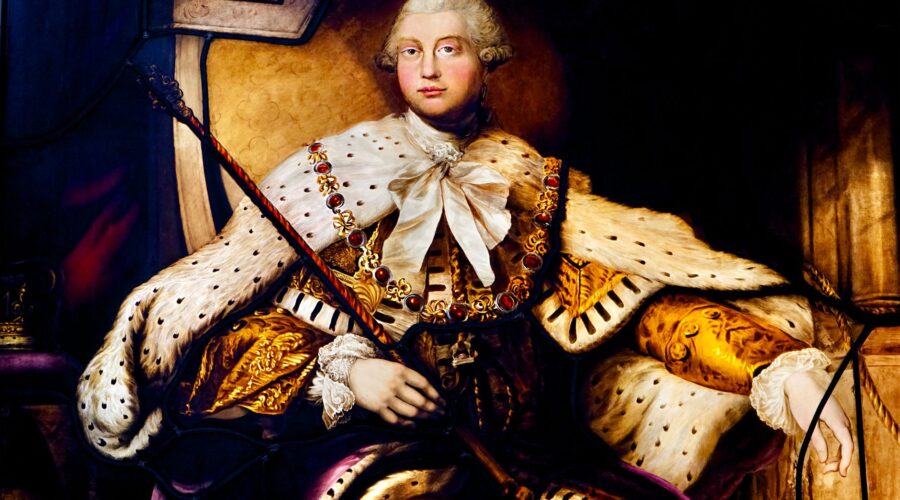
In 1215, King John of England signed the Magna Carta at Runnymede. Under intense pressure from rebel barons, the King agreed to a document that declared the sovereign was not above the law. Clause 40—”To no man will we sell, or deny, or delay, right or justice”—became a cornerstone for individual liberties in legal systems worldwide.
Centuries later, on this day in 1950, South African trade unions launched a general strike to protest the brutal apartheid system, signaling a long road toward equality. In 2000, the Korean Peninsula saw a rare glimmer of hope as North Korean leader Kim Jong-il and South Korean President Kim Dae-jung ended their first-ever summit with a historic reconciliation agreement.
Inventions and Cultural Icons
The industrial world changed forever in 1844 when American Charles Goodyear patented the vulcanization process, making rubber durable and heat-resistant. In the arts, the world welcomed French painter Nicolas Poussin (1594) and Norwegian composer Edvard Grieg (1843).
The music world mourned the loss of the “First Lady of Song,” Ella Fitzgerald, who passed away on this day in 1996. Fitzgerald’s incomparable voice brought to life nearly 250 songs by the greatest American composers of the 20th century. More recently, in 2021, Portuguese superstar Cristiano Ronaldo made history as the first footballer to play in five European Championship final stages, cementing his legacy as the all-time leading scorer in Euro history.
Turning Points in Portugal
Portugal’s history is deeply etched into June 15. In 1915, the United Kingdom formally invited Portugal to join Allied operations during World War I. Decades later, in 1970, the nation lost visual artist and writer José de Almada Negreiros, a titan of the Orpheu generation. In political milestones, António Guterres took office as the UN High Commissioner for Refugees in 2005, a role that paved his way to becoming the UN Secretary-General.
Other Notable Moments
- 1907: The II International Peace Conference begins at The Hague with 44 nations participating.
- 1977: Spain holds its first free legislative elections since 1939, marking a decisive step toward democracy.
- 1986: Soviet newspaper Pravda reports the firing of top officials at the Chernobyl nuclear plant following the catastrophic disaster.
- 2018: The Portuguese Parliament approves the use of cannabis for medicinal purposes.
- 2024: The animation film Percebes by Laura Gonçalves and Alexandra Ramires wins the prestigious Cristal Award at Annecy.
As we mark the 167th day of the year, history reminds us that progress is often born from resistance, whether through a 13th-century charter or a modern protest for human rights.
Image: Pexels – Mike Bird