Cape Verde: Jorge Carlos Fonseca Hails Peaceful Power Shift
Former Cape Verdean President Jorge Carlos Fonseca has voiced his support for the nation’s incoming government, calling for a continued focus on progress and democratic stability following the legislative elections held on May 17.
A Commitment to Progress
Speaking on the sidelines of the 14th Lisbon Forum in Portugal, Fonseca—who served as president from 2011 to 2021—emphasized that the well-being of the nation transcends party lines. “Regardless of one’s sympathies for the new government, as a former president and someone involved in politics since the age of 17, what I want is for the country to develop and progress,” Fonseca told Lusa.
He expressed his hopes for heightened cultural development and a strengthening of the democratic values that have made Cape Verde a regional benchmark. “It was another victory for democracy in Cape Verde—a peaceful political transition,” he added.
PAICV Returns to Power
The recent elections marked a significant shift in the archipelago’s political landscape. The African Party for the Independence of Cape Verde (PAICV), led by Francisco Carvalho, secured an absolute majority with 37 of the 72 seats in the National Assembly. This victory unseats the Movement for Democracy (MpD), the party that had supported Fonseca during his presidency and held power for the last decade.
The MpD will now transition to the opposition with 33 deputies, while the Independent and Democratic Cape Verdean Union (UCID) holds the remaining two seats.
The Road Ahead
Current President José Maria Neves is expected to officially appoint Francisco Carvalho as the new prime minister on Wednesday after consulting with parliamentary leaders. “Certainly, it will be a peaceful transition, as is tradition here in Cape Verde,” Neves told reporters during a visit to the capital city of Praia.
Despite the smooth transition, the election results highlighted a growing challenge for the nation’s leadership: voter apathy. The National Elections Commission (CNE) reported a record-breaking abstention rate of 53.5%, meaning more than half of the registered electorate did not cast a ballot.
On a more representative note, the incoming parliament shows a near-even gender split, composed of 38 men and 34 women. Under national law, the new parliament must hold its inaugural session within 20 days of the final results being published.
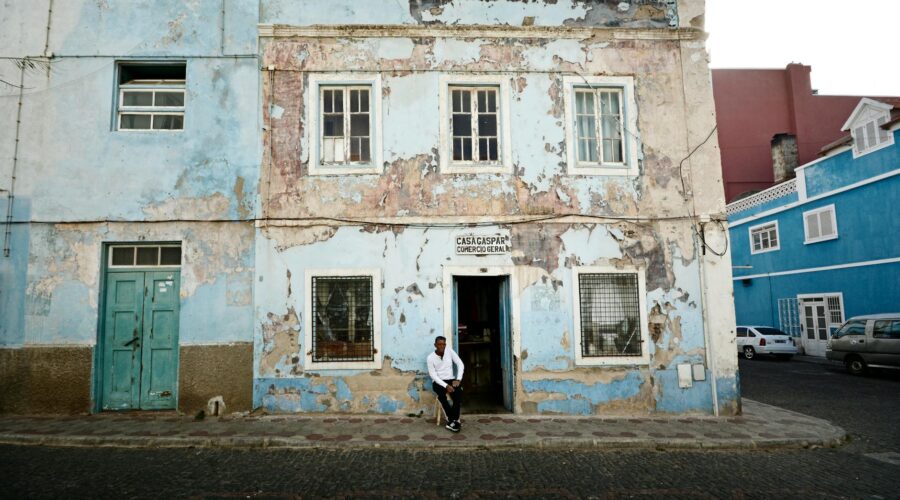
Image: Pexels – damien Saillet