Cape Verde-type Hurricanes: Origins and Impact Explained
In the vast expanse of the central Atlantic Ocean, approximately 570 kilometers off the coast of West Africa, lies the archipelagic nation of Cabo Verde. While these ten volcanic islands are celebrated for their stable democracy, vibrant Creole culture, and breathtaking landscapes, they also hold a unique and formidable distinction in the world of meteorology. This small nation is the namesake for some of the most powerful and destructive weather events on Earth: Cape Verde-type hurricanes.
The Birthplace of Giants
Meteorologists define a “Cape Verde-type hurricane” as an Atlantic tropical cyclone that develops into a tropical storm within 1,000 kilometers (600 miles) of the Cape Verde Islands. The process typically begins thousands of miles away over continental Africa, where “African easterly waves” emerge from the coast during the summer and early autumn. As these low-pressure systems move over the warm tropical waters surrounding the Cabo Verde archipelago, they find the perfect “fuel” to intensify.
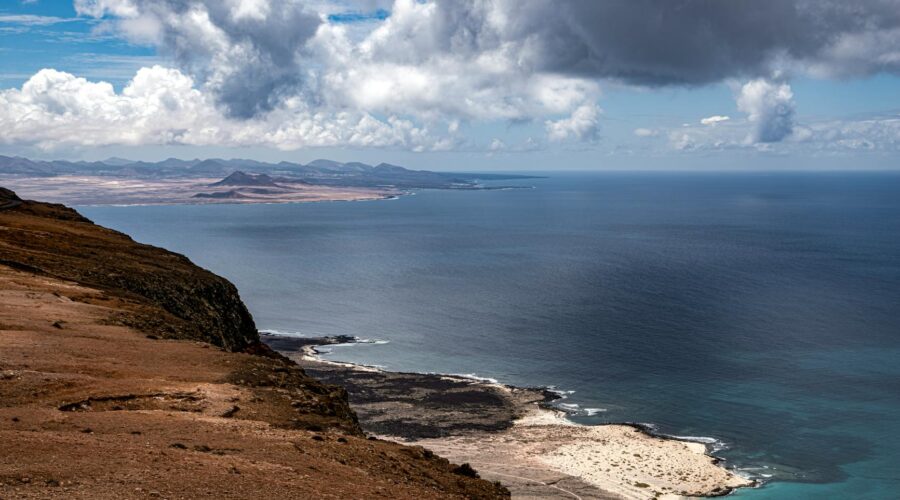
The geography of the islands plays a supporting role in this atmospheric drama. Cabo Verde lies between latitudes 14° and 18°N, placing it directly in the path of the trade winds. The islands are divided into the Barlavento (windward) and Sotavento (leeward) groups. While the islands themselves are generally arid—with Sal and Boa Vista featuring extensive salt flats and desert landscapes—the surrounding ocean temperatures are warm enough to catalyze the transformation of a simple atmospheric wave into a rotating storm system.
Why Cape Verde Hurricanes Are So Intense
What makes these storms particularly dangerous to the Western Hemisphere is the sheer amount of “runway” they have. Because they form so far east, they have thousands of miles of open, warm tropical water to traverse before reaching the Caribbean or the United States. This long trek allows them to feed on the ocean’s thermal energy without the interference of land friction, often developing into “Major Hurricanes” (Category 3 or higher on the Saffir-Simpson scale).
According to historical weather data, the five largest Atlantic tropical cyclones on record have been Cape Verde-type hurricanes. These systems are also responsible for some of the longest-lived storms in history. While a typical hurricane season might only see two of these specific types of storms, they often account for the majority of the season’s total accumulated cyclone energy (ACE).
Historical Context: The Islands and the Storms
Ironically, while Cabo Verde gives its name to these monsters, the islands themselves are rarely struck by them. Since 1851, the archipelago has only been hit directly twice: once in 1892 and more recently by Hurricane Fred in 2015. Fred was a meteorological anomaly, becoming the easternmost hurricane ever to form in the Atlantic.
The climate of the islands is primarily arid and semi-arid, part of the Sahelian belt. Most of the moisture the islands receive is orographically induced—where steep mountains on islands like Santiago and Santo Antão force humid air upward to condense. This creates lush “laurel forests” in the highlands, a stark contrast to the scorched, sandy plains of the coastal regions. However, the same low-pressure systems that bring life-saving rain to Cabo Verde can, within days, become the life-threatening hurricanes that menace the Americas.
Cabo Verde on the Frontlines of Climate Change
While the country is famous for its role in hurricane tracking, it is now gaining international attention for its vulnerability to climate change. In 2011, the President of Nauru ranked Cabo Verde as the eighth most endangered nation due to rising sea levels and flooding. UN Secretary-General António Guterres famously visited the islands in 2023, describing the nation as being on the “frontlines of an existential crisis.”
The Cape Verdean government has responded with global leadership in sustainability. The country currently generates 20% of its energy from renewable sources, with an ambitious goal of reaching 50% by 2030. In a landmark 2023 deal, Portugal agreed to a “debt-for-nature” swap, forgiving €140 million of debt in exchange for Cape Verde’s investment in environmental projects. This serves as a global model for how island nations can protect their unique biodiversity—which includes endemic species like the Alexander’s swift and the Iago sparrow—from the very storms they lend their name to.
The Strategic Significance of the “Green Cape”
The name “Cabo Verde” translates to “Green Cape,” a name originally given to the Cap-Vert peninsula in Senegal and later adopted by the Portuguese explorers who settled the uninhabited islands in 1462. For centuries, the islands’ strategic position made them a hub for the transatlantic slave trade and later a vital re-supply station for shipping routes between Europe, Africa, and the Americas. Celebrated figures like Charles Darwin and Francis Drake visited these shores, noting the islands’ rugged volcanic beauty.
Today, that same strategic location makes the Republic of Cabo Verde a “natural laboratory” for meteorologists. Organizations like the National Hurricane Center (NHC) keep a perpetual eye on the waters off the coast of Praia and Mindelo. When an “Investor” system is identified near the islands, it serves as an early warning for millions of people across the Atlantic.
Fast Facts: Cape Verde and its Cyclones
- Geological Origin: The islands are volcanic, with Fogo’s “Pico do Fogo” still active today (last erupting in 2014).
- Economic Resilience: Lacking natural resources, Cabo Verde has built a stable democracy and a thriving service-based economy focused on tourism.
- Storm Frequency: An average season produces two Cape Verde-type hurricanes.
- Record Breaker: Hurricane Fred (2015) was the first hurricane to pass through the islands since the 19th century.
Conclusion
Cape Verde-type hurricanes represent one of nature’s most impressive and terrifying displays of power. Originating from the “Green Cape” of West Africa and nurtured by the warm Atlantic waters surrounding the Cabo Verde archipelago, these storms remind us of the interconnectedness of our global climate. As Cabo Verde continues to lead in renewable energy and environmental preservation, it remains not just the namesake of the Atlantic’s most intense storms, but a vital partner in understanding and surviving them.
Image: Pexels – Marian Florinel Condruz