
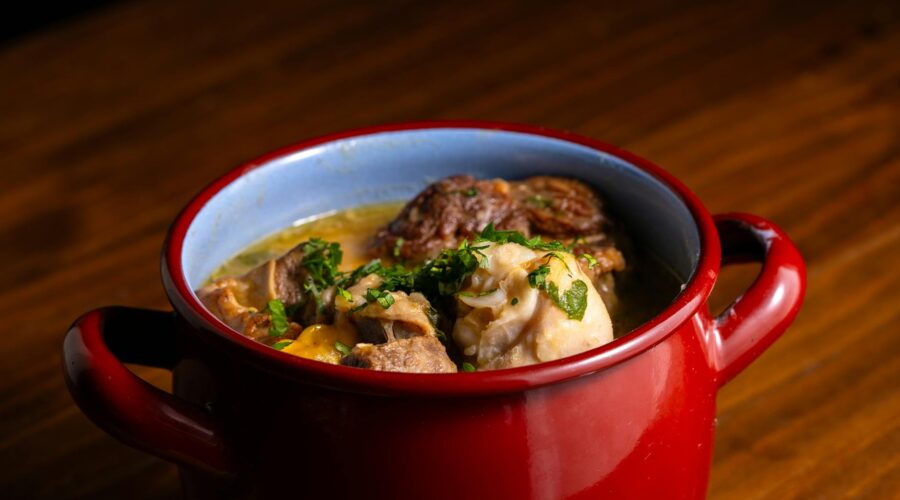
Cachupa: The Soul of Cape Verde’s National Dish
In the heart of the central Atlantic, where the volcanic archipelago of Cape Verde (Cabo Verde) rises from the waves, food is more than mere sustenance—it is a narrative of survival, history, and cultural fusion. If you ask any Cape Verdean, whether they reside in the bustling capital of Praia or in the vast diaspora in the United States or Portugal, what defines their homeland, the answer is often a single word: Cachupa.
More than just a hearty stew, Cachupa is the undisputed national dish of Cape Verde. It is a slow-cooked culinary masterpiece that mirrors the islands’ complex history, blending African roots with Portuguese influences to create something entirely unique to this Macaronesian ecoregion.
A Dish Born of History and Resilience
To understand Cachupa, one must understand the history of Cape Verde. Uninhabited until the 15th century, the islands became a strategic hub for the transatlantic slave trade. This period brought together West African populations and Portuguese settlers, creating a “Creole” culture that is reflected in the national language, Crioulo, and most prominently, in the kitchen.
Cachupa was born out of necessity and the islands’ challenging geography. With less than two percent of the land being arable due to the arid climate and frequent droughts, Cape Verdeans learned to make the most of what was available. The base of the dish—corn (maize) and beans—represented hardy crops that could be stored and transformed into a nutritious, soul-warming meal.
The Two Faces of Cachupa: Rica and Pobre
Cachupa is a versatile dish that reflects the economic reality of the cook and the occasion at hand. It is generally categorized into two main styles:
Cachupa Rica (Rich Cachupa)
Served during celebrations or in households with more means, Cachupa Rica is a lavish affair. In addition to the corn and bean base, it is loaded with a variety of meats and vegetables. You will often find local chorizo, marinated pork, chicken, and morcela (blood sausage). Vegetables like yams (cassava), sweet potatoes, squash, and cabbage are added to create a complex, layered flavor profile.
Cachupa Pobre (Poor Cachupa)
Cachupa Pobre is the everyday version of the dish, staying true to its humble origins. It consists primarily of the essential corn and beans, perhaps flavored with a bit of fish or a small amount of salt meat. Despite its name, it is a nutritional powerhouse and a symbol of the “Morabeza” (the spirit of hospitality and harmony) that defines Cape Verdean culture.
The Anatomy of the Perfect Cachupa
The preparation of Cachupa is a labor of love that cannot be rushed. It typically begins the night before, as the primary ingredients require long soaking and simmering times.
- Hominy (Cachupa Corn): The corn is dried and husked (often using a traditional mortar and pestle called a pilão) until it becomes “stamp corn.”
- The Beans: A variety of beans are used, most notably kidney beans, lima beans, or “pedra” beans.
- The Slow Cook: The ingredients are simmered in a large pot for several hours. As the corn and beans soften, they release starches that thicken the broth into a rich, savory gravy.
- The Aromatics: Garlic, onions, and bay leaves form the aromatic foundation, often supplemented by refogado (a slow-cooked base of onions and oil).
Cachupa Refogada: The Breakfast of Champions
Perhaps the most beloved way to eat Cachupa is not the day it is made, but the morning after. Leftover Cachupa is drained of its liquid and sautéed in a pan with onions and more garlic to create Cachupa Refogada (or Cachupa Frita).
It is traditionally served with a fried egg on top and a side of local linguiça or fried mackerel. Paired with a cup of strong Fogo Island coffee, it is considered the ultimate breakfast, providing enough energy for a full day of work or exploring the rugged mountains of Santo Antão.
A Taste of the Islands
While the basic recipe remains similar across the archipelago, each island puts its own stamp on the dish:
- On São Vicente, with its famous port city of Mindelo, you might find more fish-based Cachupas.
- In Santiago, the most populous island, the dish is often heavy on root vegetables and tubers grown in the humid mountain interiors.
- In Fogo, the presence of the active volcano Pico do Fogo influences the local palate, sometimes including local wine or specific smoked meats unique to the volcanic soil.
Cachupa and the Global Diaspora
Cape Verde has one of the largest diasporas in the world; there are more Cape Verdeans living abroad than on the islands themselves. From Brockton, Massachusetts, to the suburbs of Lisbon, Cachupa serves as a culinary “North Star.” It is the dish that brings families together on Sundays and connects second and third-generation Cape Verdeans to their ancestral roots.
For the traveler, sitting down to a steaming bowl of Cachupa in a local restaurante or pensão is an essential rite of passage. It is more than a meal; it is an invitation to understand the resilience, history, and warmth of Cabo Verde. Whether you are enjoying the “Rica” or the “Pobre” version, you are tasting the soul of the Atlantic.
Practical Tip for Travelers
If you are visiting Cape Verde, look for Cachupa on the menu particularly on Saturdays and Sundays, as many restaurants follow the tradition of making large pots for the weekend. Don’t forget to ask for a little bit of piri-piri (hot sauce) on the side if you like a bit of heat, and always save room for the “refogada” the next morning!
Image: Pexels – Nano Erdozain