Hiking Vale de Paul: Santo Antão’s Lush Green Heart
In the rugged archipelago of Cape Verde, where volcanic landscapes often skew toward the arid and lunar, there exists a lush, emerald sanctuary that feels like a mirage. Located on the northern island of Santo Antão, the Vale de Paúl (Paul Valley) is widely considered the greenest place in the entire country. For hikers and nature lovers, it represents the “Holy Grail” of Cape Verdean trekking—a vertical garden where tropical fruits, terraced coffee plantations, and mist-shrouded peaks create an atmosphere of otherworldly tranquility.
The Garden of Cape Verde: An Overview of Vale de Paúl
Santo Antão is the second-largest island in Cape Verde, but it is worlds away from the sandy beaches of Sal or Boa Vista. It is an island of extremes, defined by massive calderas, sharp ridges (gribas), and deep, fertile valleys. The Vale de Paúl is the jewel in its crown. Thanks to a unique microclimate and a sophisticated system of traditional irrigation channels known as levadas, the valley remains vibrant and productive year-round.
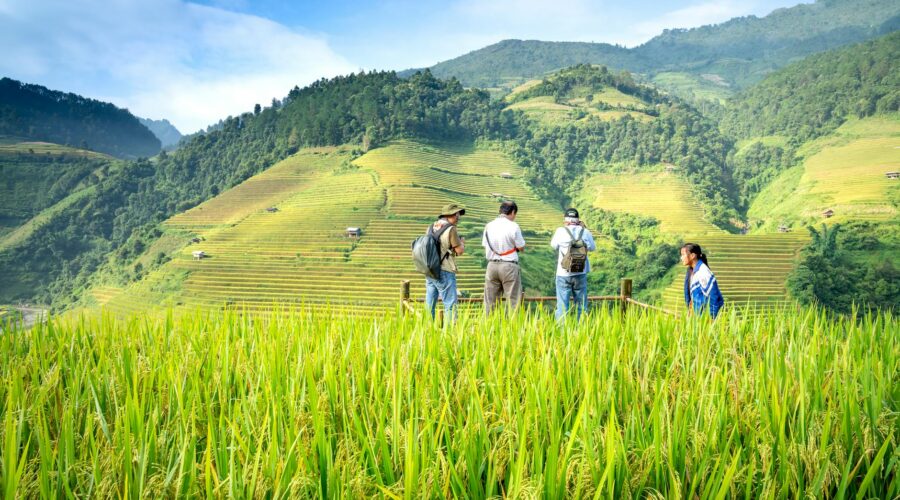
As you descend into the valley, the air grows cool and humid, smelling of damp earth and ripening mangoes. Here, the slopes are meticulously carved into stone terraces that cling to the mountainsides. You’ll find an agricultural bounty that includes sugarcane, bananas, papayas, guavas, oranges, and some of the finest mountain coffee in the Atlantic. It is a testament to the resilience and ingenuity of the local people, who have farmed these steep inclines for centuries.
The Ultimate Hiking Experience: Cova de Paúl to Vila das Pombas
While there are many paths through the valley, the classic route—and one of the most famous hikes in West Africa—begins at the Cova de Paúl. This extinct volcanic crater, sitting at an altitude of approximately 1,100 meters, serves as a high-altitude farm where locals grow corn and beans in the nutrient-rich volcanic soil.
The Descent Into the Emerald Abyss
The hike typically begins at the rim of the Cova crater. Standing here, you are often above the clouds, looking down into a literal bowl of greenery. As you begin the descent, the path transforms into a masterfully engineered stone staircase that zig-zags down the near-vertical walls of the valley. This trail, known as the 301, is a marvel of traditional masonry.
The first hour of the hike offers breath-taking panoramic views. On a clear day, you can see the Atlantic Ocean shimmering in the distance at the valley’s mouth, framed by the jagged silhouettes of the surrounding mountains. The silence is broken only by the occasional cry of a buzzard or the distant sound of a farmer calling to their livestock.
Life Among the Terraces
As the trail levels out slightly and enters the mid-valley regions like Cabo da Ribeira, the landscape becomes more intimate. You’ll pass through small hamlets where stone houses are topped with thatched sugarcane leaves. The locals, known for their “Morabeza” (the Cape Verdean spirit of hospitality), will likely greet you with a friendly “Tudo Bem?”
This is where you can witness the levada system in action. These narrow stone channels carry water from mountain springs across miles of rugged terrain to reach every terrace. Hikers often find themselves walking along the flat edges of these channels, which serve as the “arteries” of the valley floor.
The Scent of Sugarcane and Grogue
No journey through Vale de Paúl is complete without acknowledging its most famous export: Grogue. This potent Cape Verdean rum is the national drink, and Paúl is its spiritual home. Between January and June, the valley hums with the sound of trapiches—traditional ox-powered or mechanical mills used to crush sugarcane.
You will likely encounter small, rustic distilleries along the hiking trail. The sweet, fermented smell of cane juice fills the air. Many hikers stop at these stops to sample “Pontche” (a smoother version of grogue mixed with honey and citrus) or to buy a bottle of the clear liquor directly from the producer. It is an authentic glimpse into an industry that has remained largely unchanged for generations.
Flora and Fauna: A Botanist’s Paradise
While Cape Verde is not known for large land mammals, the Vale de Paúl is a haven for endemic plant life and bird species. Keep an eye out for the Cape Verde Warbler, a small songbird that thrives in the lush vegetation. You might also spot the Grey-headed Kingfisher, with its vibrant blue wings, darting across the streams.
The flora is a mix of introduced food crops and native species. Giant dragon trees (Dracaena draco) can be seen clinging to the higher cliffs, their ancient, umbrella-like canopies adding a prehistoric feel to the landscape. The sheer density of the vegetation in Paúl creates a cooling effect, making it an ideal respite from the intense tropical sun found elsewhere on the island.
Practical Information for Hikers
When to Go
The best time to hike Vale de Paúl is from October to May. After the rainy season (August and September), the valley is at its most vibrant green. The temperatures are also milder during these months, typically ranging between 18°C and 25°C, providing perfect trekking conditions.
Difficulty and Duration
The descent from Cova to the coastal town of Vila das Pombas is approximately 12 kilometers and takes between 4 to 6 hours, depending on your pace and how many photos you take. While it is a “downhill” hike, the constant descent on stone steps can be taxing on the knees. Trekking poles are highly recommended.
Getting There
To reach Santo Antão, you must take a one-hour ferry from Mindelo on the island of São Vicente to Porto Novo. From Porto Novo, you can hire an “aluguer” (shared minibus) to take you up the old mountain road to the Cova crater. The drive itself is spectacular, offering a preview of the dramatic geography that awaits.
What to Bring
- Sturdy hiking boots: The cobblestone paths can be slippery, especially if there is mist.
- Layers: It can be chilly at the crater rim (1,100m) and very warm at the coast.
- Water and Snacks: While there are small shops in the villages, having your own supply is essential.
- Sun Protection: The mountain sun is strong, even on cloudy days.
Why Vale de Paúl Stays With You
There is a specific kind of magic in Vale de Paúl that is hard to capture in words. It is the sound of the wind rushing through bamboo groves, the sight of a farmer effortlessly carrying a 50kg bag of coffee down a path that makes trekkers stumble, and the overwhelming feeling of being in a place where nature and man have found a difficult but beautiful balance.
For those visiting Cape Verde, skipping Santo Antão and the Vale de Paúl would be to miss the soul of the islands. It is a place that demands you slow down, breathe the mountain air, and appreciate the immense beauty of a world carved by hand and watered by the clouds.
Conclusion
Whether you are a seasoned trekker or a casual walker looking for stunning scenery, the Vale de Paúl offers an experience that is both physically rewarding and spiritually refreshing. It remains one of the last true “hidden gems” of the Atlantic—a place where the green heart of Cape Verde beats strongest.
Image: Pexels – Quang Nguyen Vinh