UN Warns of 42.5% Teenage Pregnancy Rate in Rural Angola
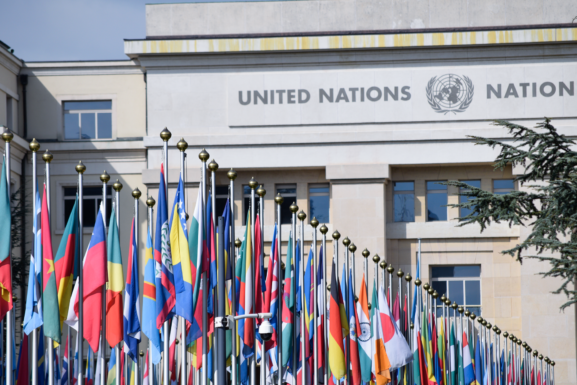
GENEVA — A new report from the United Nations has sounded the alarm on a growing reproductive health crisis in Angola, revealing that nearly 43% of teenage girls in rural areas have experienced pregnancy. The findings, released today by the UN Committee on the Elimination of Discrimination against Women (CEDAW), highlight deep systemic inequalities facing young women in the Southern African nation.
A Growing Crisis in Rural Communities
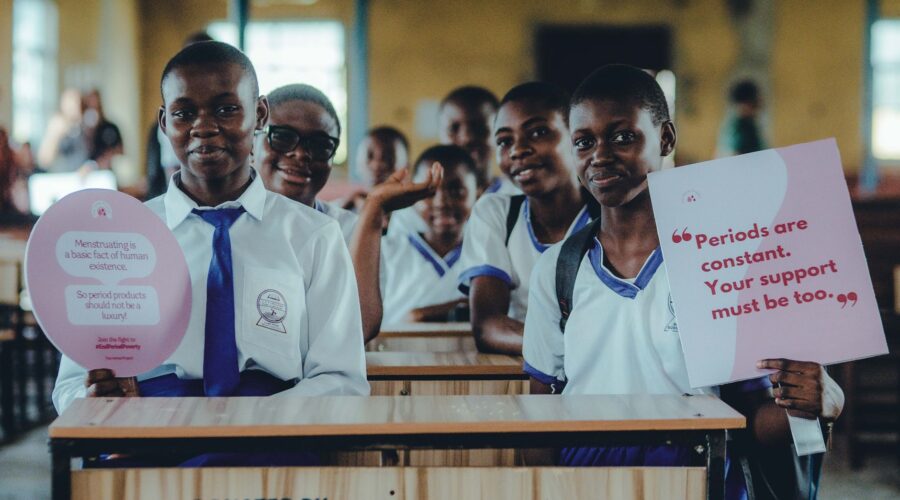
The report details a stark divide between urban and rural life. While the national average for teenage pregnancy among girls aged 15 to 19 stands at 27.1%, that figure nearly doubles to 42.5% in rural regions. The Committee expressed “grave concern” over these statistics, noting that early pregnancy often traps young women in cycles of poverty and limits their access to education.
To combat this trend, the UN is urging the Angolan government to implement a well-resourced national strategy. Key recommendations include providing comprehensive, age-appropriate sexual education in schools and ensuring adolescents have access to confidential, “youth-friendly” reproductive health services and voluntary contraception.
Tackling Violence and Economic Barriers
The report also calls for “stricter measures” to eradicate the twin scourges of sexual violence and child marriage, which are often precursors to teenage pregnancy. Beyond health, the Committee identified significant economic hurdles that prevent Angolan women from achieving independence.
Currently, women face major obstacles when trying to access financial resources. The UN recommended that Angola expand its Informal Economy Conversion Program and facilitate low-interest loans for female entrepreneurs—specifically removing the requirement for physical collateral or mortgages, which many women do not possess.
Closing the Digital Divide
The digital age is also leaving many Angolan women behind. The report highlights a significant “digital divide,” particularly in remote areas. The Committee has requested that the government increase investment in mobile networks and internet infrastructure, arguing that digital literacy is essential for modern economic participation.
Angola was one of eight countries reviewed in the latest UN session, alongside Cape Verde, Kenya, and Kazakhstan. While the report acknowledges positive steps taken toward gender equality, it underscores that for rural Angolan girls, the road to empowerment remains fraught with obstacles.
Image: Pexels – Tosin Olowoleni