Tropical Storm Gonzalo Floods Cape Verde Tourist Hubs
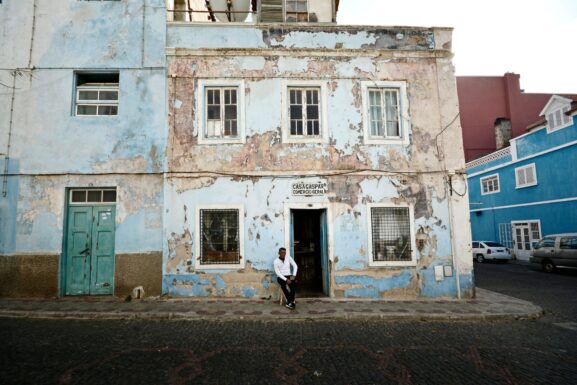
Tropical Storm Gonzalo lashed the Cape Verde archipelago on Friday, triggering widespread flooding in the major tourist hub of Santa Maria on Sal Island. The storm, which formed from an Atlantic depression, has brought heavy rains, powerful wind gusts, and dangerous storm surges to the islands.
Flooding Paralyzes Sal Island
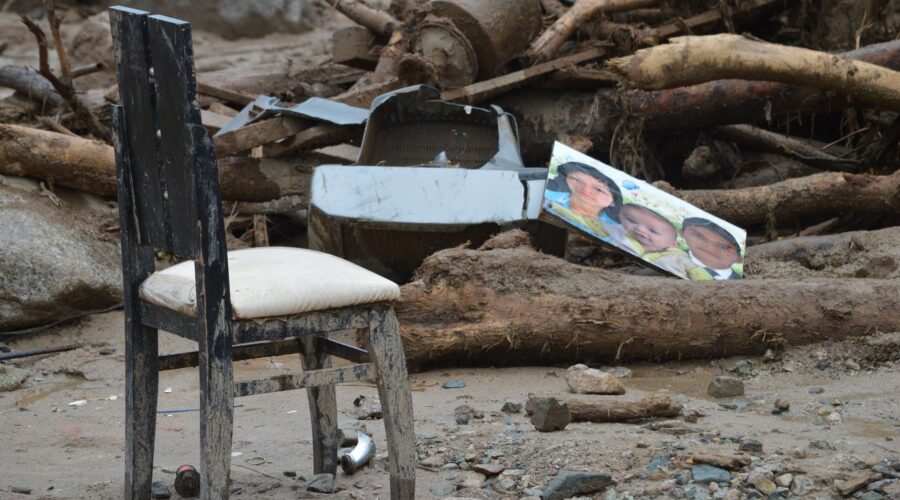
In Santa Maria, one of the country’s most popular destinations for international visitors, rising sea levels and torrential rain have turned streets into rivers. Local reports and social media footage confirmed by residents show urban centers inundated, including a medical clinic surrounded by water on a main avenue connecting several major hotels.
A civil protection source told Lusa that the storm’s impact has been felt across multiple islands, resulting in fallen trees and localized power outages. Authorities had issued urgent alerts on Thursday, warning of “significant worsening” sea conditions. Waves coming from the east and southeast were expected to reach heights of up to six meters (nearly 20 feet), posing a severe threat to coastal infrastructure.
Worsening Weather Patterns
Meteorological forecasts suggest that while Gonzalo may intensify further in the short term, the storm is expected to enter a weakening phase over the weekend. However, officials remain on high alert due to the archipelago’s vulnerability to flash floods.
While Cape Verde is typically an arid region, it has been increasingly plagued by deadly weather events. In August 2025, Storm Erin claimed nine lives on the island of São Vicente, followed by another fatality during flash floods on Santiago island in November of the same year.
Climate Change Fueling Extremes
The intensification of storms like Gonzalo aligns with recent warnings from the World Meteorological Organization (WMO). The United Nations agency noted that 2025 likely ranked as one of the three hottest years on record. Experts emphasize that rising ocean temperatures are acting as fuel for tropical systems, leading to more frequent storms and worsening the impact of sea-level rise on vulnerable island nations.
Image: Pexels – Franklin Peña Gutierrez