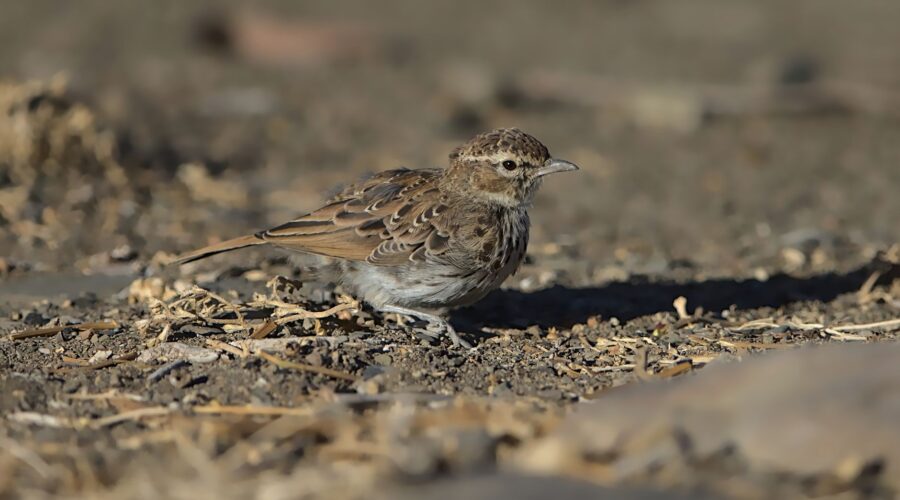
The Raso Lark: Cabo Verde’s Rarest Endemic Bird
In the vast, azure expanse of the central Atlantic Ocean lies Cabo Verde, an archipelago of ten volcanic islands and several uninhabited islets. While the world often looks to the larger islands like Santiago or the tourist hubs of Sal and Boa Vista, conservationists and ornithologists turn their gaze toward a tiny, desolate speck of volcanic rock: Raso Islet. It is here that one of the planet’s rarest and most resilient avian species, the Raso Lark (Alauda razae), makes its final stand.
A Hidden Treasure on a Volcanic Speck
Cabo Verde is an archipelago born of fire, formed approximately 40 to 50 million years ago. Its isolation from mainland Africa—roughly 600 to 850 kilometers west of Senegal—has created a unique evolutionary laboratory. Like the more famous Galápagos, Cabo Verde is part of the Macaronesia ecoregion, a cluster of islands including the Azores and Canaries that boasts high levels of endemism.
Standing out among these endemic species is the Raso Lark. This small, brown-streaked bird belongs to the Alaudidae family and is found nowhere else on Earth but the 7-square-kilometer Raso Islet. Raso is a harsh environment; it is an uninhabited, arid volcanic plateau with minimal vegetation, yet it serves as the exclusive sanctuary for a bird that once inhabited the neighboring islands of São Vicente and Santa Luzia.
The Raso Lark: A Master of Adaptation
The Raso Lark is a fascinating study in evolutionary biology. Physically, the bird is distinguished by its heavy, slightly curved bill, which it uses to dig for bulbs and insects in the parched soil. One of its most distinctive traits is the significant size difference between males and females; males are notably larger with longer bills, a characteristic that scientists believe allows the sexes to exploit different food sources, reducing competition in a landscape where resources are incredibly scarce.
Its survival is intrinsically tied to the volatile climate of Cabo Verde. As part of the Sahelian semi-arid belt, the archipelago suffers from periodic, severe droughts. The Raso Lark has adapted to this by being an opportunistic breeder. While most birds follow a strict seasonal calendar, the Raso Lark waits for the infrequent rains. When a downpour finally hits the parched rocks of Raso, the population enters a frantic breeding cycle to take advantage of the sudden flush of greenery and insect life.
A History of Near-Extinction
Historically, the Raso Lark was not always confined to a single islet. Fossil evidence and historical records suggest the bird lived on several islands in the Barlavento (Windward) group. However, the arrival of humans in the 15th century—and, more importantly, the introduction of invasive species like cats, rats, and goats—decimated the lark’s mainland populations.
By the 20th century, the species had retreated to Raso, an islet too small and dry for permanent human settlement or successful livestock grazing. Even there, the population has fluctuated wildly. During extreme drought years, the number of individuals has been known to drop to fewer than 100 birds, placing the species on the precipice of extinction. In the early 21st century, the Raso Lark was classified as Critically Endangered by the IUCN, serving as a stark reminder of the fragility of island ecosystems.
Conservation Triumph: The Return to Santa Luzia
For decades, the survival strategy for the Raso Lark was “all eggs in one basket.” If a single invasive predator reached Raso, or if a severe enough drought persisted, the entire species could vanish. Recognizing this, international conservation groups, including BirdLife International and the local NGO Biosfera I, embarked on a daring mission.
The primary goal was to reintroduce the lark to the nearby uninhabited island of Santa Luzia. Before this could happen, Santa Luzia had to be cleared of invasive cats and rodents—a massive logistical challenge in the rugged terrain of Cabo Verde. Success was finally achieved in 2018 when a small founder population of Raso Larks was translocated. Recent monitoring shows that the birds are not only surviving on Santa Luzia but are breeding, effectively doubling the species’ geographical range and providing a vital insurance policy against extinction.
The Broader Context: Cabo Verde’s Endemic Biodiversity
The Raso Lark is just one piece of Cabo Verde’s complex ecological puzzle. The archipelago is home to several other birds that can be found nowhere else, including:
- Alexander’s Swift: A master of the island skies.
- Iago Sparrow: A charming endemic often found in urban centers like Praia and Mindelo.
- Bourne’s Heron: A rare subspecies of Purple Heron found primarily on Santiago.
- Cape Verde Warbler: A songbird that thrives in the humid mountain valleys.
Cabo Verde’s government has become a leader in conservation in the region. In a groundbreaking 2023 agreement, Portugal signed a “debt-for-nature” swap, forgiving €140 million of Cabo Verde’s debt in exchange for investment in environmental and climate projects. This funding is crucial for protecting the fragile habitats that species like the Raso Lark call home.
Visiting Raso: A Privilege for the Few
For the average traveler, visiting Raso Islet is nearly impossible. To protect the delicate ecosystem and prevent the introduction of seeds or predators, access is strictly regulated and usually reserved for authorized researchers. However, birdwatchers and nature enthusiasts can often catch a glimpse of the archipelago’s unique avian life on the inhabited islands.
Direct flights from Europe and North America land in Sal and Santiago, providing easy access to the country’s diverse landscapes—from the flat salt pans of Sal to the towering volcanic peak of Fogo. While you may not set foot on Raso, supporting Cabo Verde’s growing eco-tourism sector helps fund the conservation efforts that keep the Raso Lark singing.
Fast Facts about the Raso Lark
- Scientific Name: Alauda razae
- Status: Critically Endangered (though improving due to reintroduction).
- Lifestyle: Ground-dwelling; nests are simple depressions in the volcanic soil.
- Diet: Specialized in digging for bulbs and catching small invertebrates.
Conclusion
The story of the Raso Lark is a testament to the resilience of nature and the power of dedicated conservation. In a world where biodiversity is under constant threat, the persistence of this small bird on a sun-drenched rock in middle of the Atlantic is a beacon of hope. As Cabo Verde continues to develop as a democratic and stable nation, its commitment to protecting its unique natural heritage ensures that the song of the Raso Lark will continue to echo across the Barlavento Islands for generations to come.
Image: Pexels – Derek Keats