The Impact of Remittances on Cape Verde’s Economy
For the volcanic archipelago of Cape Verde, the nation’s borders do not end at the Atlantic coastline. With a diaspora population that significantly outnumbers the residents on the islands, Cape Verde is a “transnational nation.” From the cobblestone streets of Pawtucket, Rhode Island, to the bustling neighborhoods of Lisbon and Rotterdam, Cape Verdeans abroad maintain a profound, umbilical connection to their homeland. This connection is most Tangibly expressed through remittances—the steady flow of funds sent back to families and communities.
Remittances are not merely financial transactions in Cape Verde; they are the lifeblood of the economy, a social safety net, and a driver of national development. Understanding the impact of these funds is essential to understanding the past, present, and future of this mid-Atlantic nation.
A Nation Defined by Emigration
To understand the weight of remittances, one must first understand Cape Verdean history. For centuries, recurring droughts and limited natural resources forced Cape Verdeans to look toward the sea. Starting in the 19th century, many boarded American whaling ships, eventually establishing vibrant communities in New England. Others migrated to Europe and other parts of Africa during the 20th century in search of labor and education.
Today, while the domestic population of Cape Verde sits at approximately 560,000, it is estimated that over one million Cape Verdeans and their descendants live abroad. This demographic reality has turned emigration into a strategic resource. The “tenth island”—a poetic term for the diaspora—plays a role in the country’s stability that perhaps no other sector, including tourism, can claim.
The Macroeconomic Engine
From a macroeconomic perspective, remittances are one of the most stable sources of foreign exchange for Cape Verde. Unlike foreign direct investment (FDI) or official development assistance (ODA), which can fluctuate based on global political climates or corporate interests, remittances are remarkably resilient. Even during the global financial crisis of 2008 and the COVID-19 pandemic, the flow of money from the diaspora remained a reliable constant.
Data from the Bank of Cape Verde consistently shows that remittances account for between 10% and 15% of the country’s Gross Domestic Product (GDP). In some years, this figure has even climbed higher. These funds play a critical role in balancing the current account, as Cape Verde imports roughly 80% of what it consumes. Without the steady influx of Euros and Dollars from emigrants, the country’s trade deficit would be unsustainable, and the national currency, the Cape Verdean Escudo (CVE), which is pegged to the Euro, would face significant pressure.
The Social Safety Net: Poverty Alleviation and Education
While the numbers on a balance sheet are impressive, the most profound impact of remittances occurs at the household level. For thousands of families across islands like Fogo, Santo Antão, and São Nicolau, remittances are the difference between poverty and a middle-class lifestyle.
Improving Living Standards
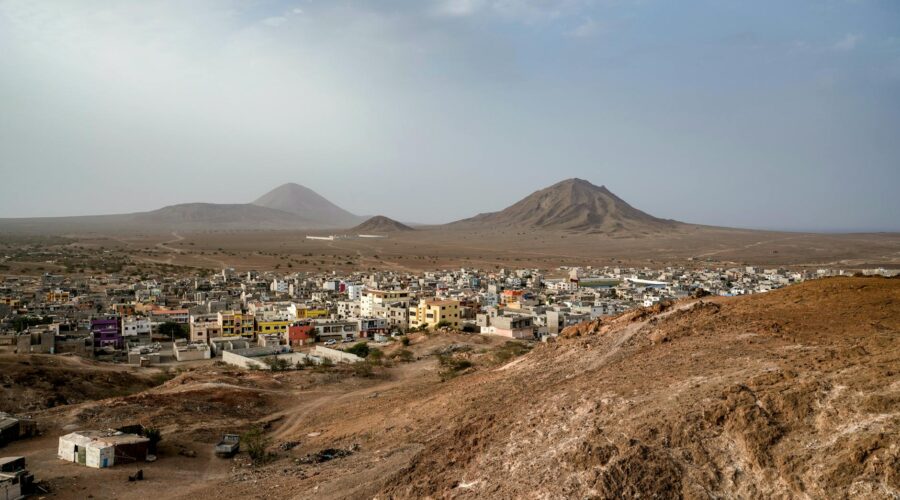
Remittances are primarily used to cover basic needs: food, healthcare, and housing. Visitors to Cape Verde often notice the “emigrant houses”—distinctive, often multi-story brightly colored homes built with funds sent from abroad. These structures represent more than just shelter; they are symbols of success and long-term security. The construction industry in Cape Verde is largely fueled by these private investments, providing jobs for local masons, carpenters, and laborers.
Investing in the Next Generation
Perhaps the most transformative use of remittance money is in education. Families use funds from relatives in the United States or Europe to pay for private schooling and university tuition. By investing in the “human capital” of the islands, the diaspora is helping to ensure that the next generation of Cape Verdeans is more skilled and competitive, slowly shifting the economy away from subsistence and toward services and technology.
The Diaspora as Investors and Entrepreneurs
Beyond sending money to relatives, Cape Verdean emigrants are increasingly seen as sophisticated investors. The government has recognized this potential by creating specific financial instruments, such as “emigrant accounts” with favorable interest rates and tax incentives for those looking to start businesses in the archipelago.
In recent years, we have seen a rise in diaspora-led projects in renewable energy, boutique tourism, and agribusiness. Emigrants bring not just capital, but also “social remittances”—new ideas, professional networks, and technical expertise acquired abroad. This “brain gain” is helping to modernize Cape Verdean business practices and integrate the local economy into global value chains.
The Challenges of Dependency
Despite the overwhelming benefits, experts point to a few challenges associated with a heavy reliance on remittances. One concern is “Dutch Disease,” where a steady influx of foreign currency can lead to a rise in the real exchange rate, potentially making local exports less competitive. Furthermore, there is the risk of a “dependency culture,” where some households may rely solely on transfers from abroad rather than seeking local employment or entrepreneurial opportunities.
There is also the demographic challenge of the “third generation.” While first-generation emigrants maintain fierce loyalty to their home islands, their children and grandchildren may feel a weaker connection. As the diaspora becomes more integrated into their host countries, the emotional pull to send money “home” can diminish. This makes it crucial for the Cape Verdean government to continuously engage the youth in the diaspora through cultural exchange programs and digital platforms.
Philanthropy and Crisis Response
The impact of the diaspora is also felt through collective remittances. Cape Verdean associations in cities like Brockton, Boston, Paris, and Lisbon often pool resources to fund community projects. Whether it is donating medical equipment to a local hospital, providing scholarships for underprivileged children, or funding emergency relief after a volcanic eruption on Fogo, the diaspora acts as a collective philanthropic force.
During the COVID-19 pandemic, when the tourism sector—the country’s other economic pillar—collapsed overnight, the diaspora stepped up. The surge in solidarity prevented a humanitarian crisis, proving once again that the relationship between Cape Verde and its emigrants is a bond of mutual survival.
Conclusion
Remittances are far more than just “money sent home.” They are a testament to the resilience, loyalty, and vision of the Cape Verdean people. They stabilize the national economy, build homes, educate children, and provide a buffer against global shocks. As Cape Verde looks to the future, its challenge will be to transition from a reliance on subsistence remittances to a model of strategic investment.
By treating the diaspora not just as a source of funds, but as a source of knowledge and partnership, Cape Verde can continue to punch above its weight on the global stage. The “tenth island” remains the country’s most valuable asset, ensuring that no matter how far a Cape Verdean travels, their heart—and their contribution—remains firmly rooted in the islands.
Image: Pexels – Nico Marín