The Cape Verde Warbler: Ecology and Conservation Guide
In the heart of the central Atlantic, roughly 600 kilometers off the coast of West Africa, lies the volcanic archipelago of Cape Verde (Cabo Verde). While the islands are famous for their soulful Morna music, dramatic landscapes, and “no stress” lifestyle, they also harbor a biological treasure that remains hidden to many: the Cape Verde Warbler (Acrocephalus brevipennis).
Known locally as the Tchota-de-Cana, this modest songbird is a symbol of the islands’ unique natural heritage. As an endemic species, it is found nowhere else on Earth. However, its story is one of vulnerability and resilience, mirroring the environmental challenges faced by this Macaronesian nation.
Taxonomy and Physical Characteristics
The Cape Verde Warbler belongs to the Acrocephalus genus, a group of “reed warblers” typically found across Europe, Africa, and Asia. For many years, its taxonomic status was debated, often being grouped with the Greater Swamp Warbler of mainland Africa. However, genetic and morphological studies have confirmed it as a distinct species that evolved in isolation on the archipelago over millions of years.
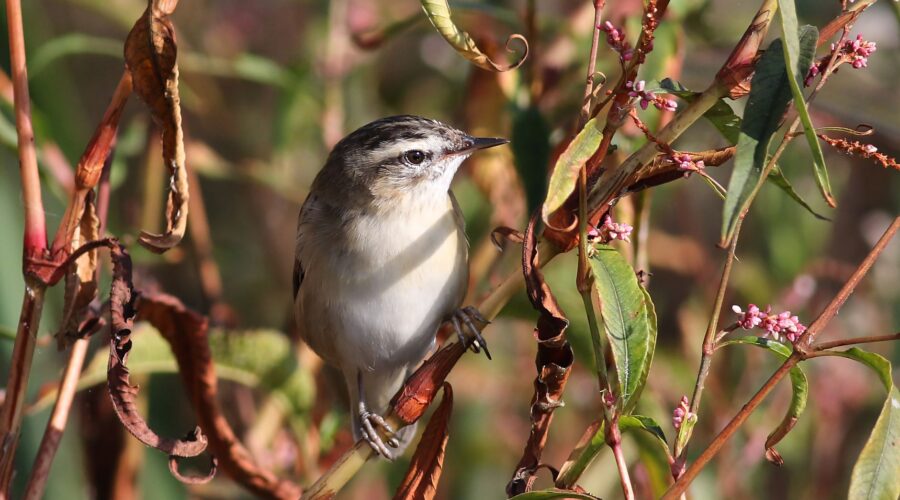
To the untrained eye, the Cape Verde Warbler is understated but elegant. It measures approximately 14 to 16 centimeters in length. Its plumage is a blend of greyish-brown on the upper parts and a creamy, buff-white on the underparts. Its most defining features are its relatively long bill and a pale “eyebrow” (supercilium) that gives it a curious expression. Perhaps its most enchanting attribute is its song—a rich, liquid series of warbles and whistles that can often be heard before the bird is seen.
Habitat and Distribution
The distribution of the Cape Verde Warbler is a fascinating look into the archipelago’s diverse microclimates. Historically, the bird was found on three islands: Santiago, Fogo, and São Nicolau. Since the mid-20th century, its presence has shifted significantly:
1. Santiago
Santiago is the stronghold of the species. As the largest and most populous island, Santiago offers the most varied terrain. The warbler thrives here in lush valleys (ribeiras) where there is a presence of water and dense vegetation, particularly reed beds (Arundo donax), sugarcane fields, and orange groves.
2. Fogo
On the volcanic island of Fogo, the warbler’s habitat is more restricted. It is typically found in the more humid northeastern slopes and coffee plantations. The presence of the active volcano, Pico do Fogo, adds a layer of natural instability to the species’ habitat on this island.
3. São Nicolau
For decades, the warbler was thought to be extinct on São Nicolau. However, it was rediscovered in the late 1990s in small, isolated pockets of the island’s mountainous interior. This rediscovery brought a surge of hope for conservationists, proving that the species could survive in small remnants of suitable habitat.
Ecology and Behavior
Unlike many of its mainland relatives that migrate thousands of miles, the Cape Verde Warbler is a sedentary resident. It spends its entire life within the archipelago. Its ecology is closely tied to the “Cape Verde Islands dry forests” ecoregion.
The bird is primarily insectivorous, foraging through dense foliage for spiders, flies, and larvae. Its nesting habits are particularly interesting; it builds deep, cup-shaped nests woven from grass and strips of sugar cane, usually suspended between vertical stems of reeds or in the fork of a tree. Breeding is highly dependent on the islands’ irregular rainfall, typically occurring between August and November when the brief rainy season transforms the arid landscape into a lush green haven.
Conservation Status: Facing the Brink
The Cape Verde Warbler is currently classified as Vulnerable on the IUCN Red List. This status is the result of several intertwined factors that threaten its survival:
Habitat Degradation
Cape Verde’s climate is semi-arid and prone to prolonged droughts. As human populations grew and agriculture expanded, much of the natural woodland and humid valley vegetation was cleared. On islands where only 2% of the land is arable, competition for fertile land is fierce. Overgrazing by goats—a common livestock in the islands—also strips away the undergrowth the warblers need for protection and nesting.
Invasive Species
As an island endemic, the warbler evolved without many natural predators. The introduction of cats, rats, and the African Green Monkey has led to increased predation on eggs and fledglings. Additionally, invasive plant species can sometimes outcompete the native flora that hosts the insects the warblers rely on for food.
Climate Change
Cape Verde is on the frontlines of the climate crisis. Rising temperatures and more erratic rainfall patterns directly impact the warbler’s breeding success. If the rainy season fails, the vegetation does not provide enough cover or food for the birds to successfully raise their young.
Protection and the Future
Fortunately, the Cape Verdean government and international NGOs (such as BirdLife International and local partner Biosfera) have taken significant steps to protect the species. Key conservation efforts include:
- Reforestation: Extensive planting of native trees in the highlands of Santiago and São Nicolau to restore natural corridors.
- Debt-for-Nature Swaps: In 2023, Portugal and Cape Verde signed a landmark agreement to forgive €140 million of debt in exchange for environmental investment, providing vital funds for biodiversity protection.
- Protected Areas: The establishment of national parks, such as the Serra Malagueta Natural Park on Santiago, offers a sanctuary for the warbler and other endemic fauna.
The Cultural Connection
Protecting the Cape Verde Warbler is not just a biological necessity; it is a cultural one. The presence of the Tchota-de-Cana in the valleys is a sign of a healthy ecosystem and a reliable water source—elements that are sacred in a nation that has historically struggled with drought. By saving this “little singer” of the valleys, Cape Verde is preserving a piece of its own identity.
Practical Tips for Birdwatchers
If you are a birding enthusiast planning a visit to Cabo Verde, the Cape Verde Warbler is a “must-see” endemic. To find it:
- Visit Santiago: Head to the interior valleys or the Serra Malagueta mountains. Early morning is the best time to hear their song.
- Hire a Local Guide: Local conservationists know the specific reed beds where the birds are most active.
- Respect the Habitat: Stick to marked trails to avoid trampling sensitive nesting grounds.
The Cape Verde Warbler is a small bird with a big story. It represents the fragility of island ecosystems and the incredible spirit of a country dedicated to sustainable development. As Cape Verde continues to lead in renewable energy and environmental policy, there is cautious optimism that the song of the Tchota-de-Cana will continue to echo through the ribeiras for generations to come.
Image: Pexels – Derek Keats