Pano da Terra: Sacred Textiles in Cape Verdean Burial Rites
In the windswept archipelago of Cape Verde, where the Atlantic meets the Sahelian soul, identity is woven into the very fabric of daily life. Among the most potent symbols of this identity is the Pano da Terra (cloth of the land), a strip-woven textile that has survived centuries of colonial suppression and social change. While these textiles are celebrated today as symbols of national pride and fashion, their most profound and ancient role remains hidden in the quiet sanctity of the ‘Funerária’—the complex ritual landscape of Cape Verdean death and burial.
To understand the Pano da Terra in the context of mourning is to understand the Cape Verdean soul. It is a cloth that bridges the gap between the living and the ancestors, serving as a protective shroud, a social marker, and a spiritual vessel. In the islands of Santiago and Fogo, in particular, the use of these handwoven textiles in burial rites represents one of the most resilient links to the archipelago’s West African heritage.
The Anatomy of the Pano da Terra
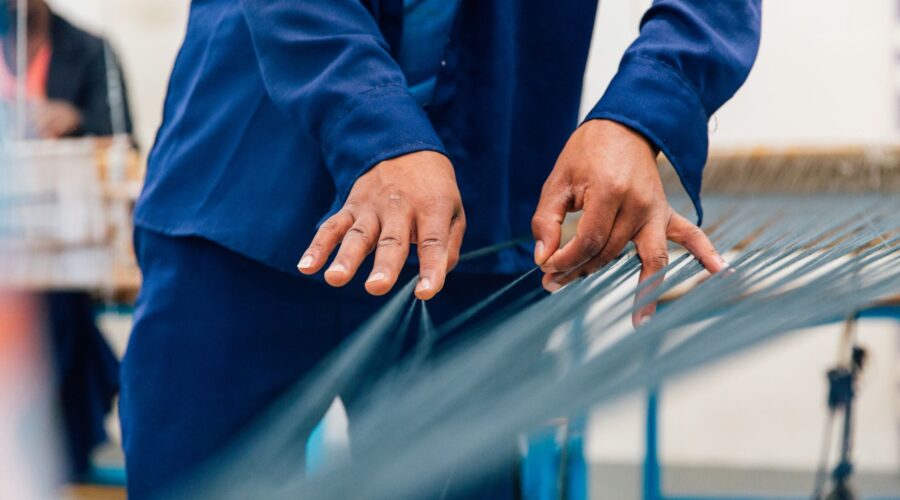
The Pano da Terra is not a single piece of wide fabric but a composite creation. It is made from six narrow strips (known as teadas) of cotton, woven on a traditional West African-style horizontal loom. These strips are meticulously sewn together to create a rectangular cloth, usually featuring intricate geometric patterns in indigo blue and white.
Historically, the complexity of the weave and the depth of the indigo dye indicated the wearer’s status. However, in the context of the funerária (funeral rites), the symbolism shifts from earthly status to spiritual transition. The patterns—often featuring diamonds, combs, or zig-zags—are not merely decorative; they are a visual language that communicates protection and lineage.
The Shroud of Transition: The Funerary Role
In traditional Cape Verdean society, particularly within the rural interior, the Pano da Terra is an essential component of the “death kit.” For many older women, a specific Pano de Obra (a more elaborately patterned cloth) is woven years in advance and kept in a cedar chest, specifically reserved for their burial.
The use of the cloth in burial serves three primary functions:
1. Spiritual Protection and the ‘Badiu’ Identity
The cloth acts as a protective barrier for the soul. In the syncretic belief systems of the islands, the transition from the world of the living to the world of the ancestors is fraught with spiritual danger. The Pano da Terra, with its sacred geometry and traditional craftsmanship, serves as an “armor” for the deceased, ensuring they are recognized by the ancestors upon arrival in the afterlife. This is especially prevalent among the Badiu people of Santiago, who have historically maintained the strongest ties to African traditions.
2. The ‘Envolto’: Wrapping the Deceased
During the wake (velório), the Pano da Terra is often draped over the coffin or wrapped directly around the body beneath the outer shroud. It is a gesture of ultimate respect. To be buried without a Pano da Terra was once considered a sign of profound poverty or a lack of familial connection—a “naked” entry into the next world.
3. Maternal Lineage and the ‘Pano de Mão’
The cloth also plays a role for the mourners. During the funeral procession, it is common to see female relatives wearing a Pano da Terra tied around their waists or draped over their shoulders. This is not merely fashion; it is a sign of “tightening the belt” against grief. The cloth provides a physical and symbolic support for the grieving body, anchoring the woman as she leads the lamentations.
The Economic and Social Weight of Burial Cloths
For centuries, the Pano da Terra functioned as a form of currency in the Upper Guinea Coast. In Cape Verde, this “wealth” was often stored in the form of textiles. Consequently, the use of these cloths in funerals was a display of a family’s social standing and their ability to honor their kin. A “rich” funeral was measured not just by the food served, but by the number and quality of the textiles present.
Even today, the gifting of a Pano da Terra for a burial is considered one of the highest forms of tribute. If a family member returns from the diaspora (the emigração) for a funeral, bringing or purchasing a high-quality handwoven cloth for the deceased is a vital act of restorative kinship.
The Loom of History: Survival Against Odds
The survival of these burial rites is a testament to Cape Verdean resilience. During the Portuguese colonial era, the production of Pano da Terra was often discouraged or restricted, as it represented a form of economic and cultural independence that the colonial administration found threatening. The cloth was a competitor to Portuguese textiles and a symbol of “Africanisms” that the authorities sought to dilute.
However, the sanctity of the funerária provided a safe haven for the textile. While people might wear European clothes in the streets to navigate colonial society, they returned to the Pano da Terra for the most private and sacred moments of life and death. The loom remained active because the ancestors demanded it.
Modernity and the Evolving Tradition
As Cape Verde modernizes, the daily use of Pano da Terra has shifted. It is now a high-art form, featured on fashion runways and in government gifts to foreign dignitaries. Yet, in the villages of Santa Cruz or the high plateaus of Fogo, the cloth has not lost its funerary gravity.
Younger generations are increasingly rediscovering the Pano da Terra as a tool for decolonizing their own history. When a young Cape Verdean chooses to incorporate these textiles into the funeral of a grandparent, they are not just performing a ritual; they are reclaiming a piece of a fractured past. The cloth becomes a bridge between the modern Atlantic world and the ancient traditions of the Sahel.
Conclusion: The Eternal Weave
The Pano da Terra is more than cotton and dye. It is a manuscript of Cape Verdean history, written in threads. In the context of the funerária, it serves as the final embrace of the motherland—a physical manifestation of the concept of morabeza (hospitality and soulfulness) that extends even beyond the grave.
As long as the looms of Santiago continue to clatter and the indigo vats remain full, the Cape Verdean people will continue to wrap their departed in these sacred geometry. In every strip of the Pano da Terra, there is a story of survival, a prayer for the dead, and a stubborn refusal to forget where they came from.
Practical Information for Cultural Travelers
- Where to see the weaving: The Museu do Semba in Cidade Velha or the weaving cooperatives in Tarrafal and Santa Cruz (Santiago Island) are the best places to see the tecelões (weavers) at work.
- Respectful Observation: If you happen to witness a funeral procession in Cape Verde, observe the use of these textiles from a respectful distance. The Pano da Terra worn by mourners is a sign of deep personal grief and cultural continuity.
- Purchasing: When buying a Pano da Terra, look for hand-stitched seams between the strips, which indicates an authentic piece rather than a factory-printed imitation.
Image: Pexels – K