
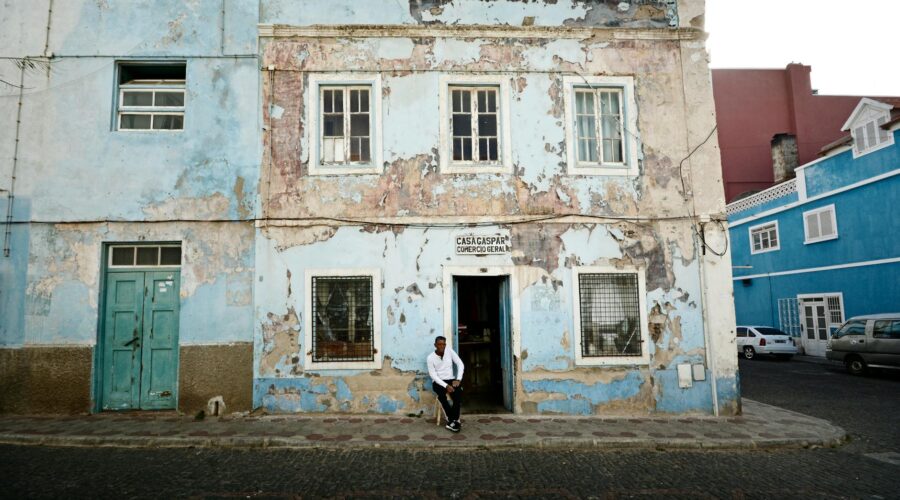
Living in Cape Verde: The Ultimate Expat & Immigrant Guide
Nestled in the central Atlantic Ocean, the ten volcanic islands of Cape Verde (Cabo Verde) have transformed from a hidden gem into one of the most sought-after destinations for digital nomads, retirees, and investors. Known for its “Morabeza”—a unique brand of hospitality that defines the national spirit—Cape Verde offers a blend of African roots and Portuguese influence, set against a backdrop of dramatic mountains and turquoise waters.
However, relocating to an archipelago requires more than just a love for the sun. From navigating the legal bureaucracy to understanding the local cost of living on different islands, moving to Cape Verde is a journey that demands careful planning. This guide explores the essential aspects of living in Cape Verde for immigrants.
Choosing Your Island: The archipelago’s Diversity
One of the most frequent mistakes newcomers make is assuming all islands in Cape Verde are the same. In reality, each island offers a vastly different lifestyle:
- Sal and Boa Vista: These are the tourism hubs. If you prefer white sandy beaches, international communities, and a lifestyle centered around water sports or hospitality, these are your best bets. They offer the most modern infrastructure but come with a higher cost of living.
- Santiago: Home to the capital city, Praia. This is the heartbeat of the country, ideal for those seeking employment in government, NGOs, or traditional business. It offers a more “urban” African experience with vibrant markets and a bustling nightlife.
- São Vicente: The cultural capital. Mindelo, its main city, is famous for its music, arts, and carnival. It is a favorite for creatives and those who appreciate a bohemian atmosphere.
- Santo Antão and Fogo: Perfect for those looking for solitude, hiking, and agriculture. These islands are rugged and majestic but offer less in terms of high-speed internet and international amenities.
The Legal Framework: Visas and Residency
Cape Verde is known for being relatively welcoming to foreigners. For short-term stays, many nationalities (including EU citizens, Americans, and Brits) can enter for 30 to 90 days with a simple EASE registration (airport security tax).
The Temporary Residence Permit
If you plan to stay longer than 90 days, you must apply for a Residência Temporária. This is usually granted for one year and is renewable. You will need to provide proof of income, a clean criminal record from your home country, and a local health certificate. It is highly recommended to hire a local lawyer or “despachante” to navigate the paperwork at the Direcção de Estrangeiros e Fronteiras (DEF).
The Remote Working Program
Recognizing the rise of the digital nomad, Cape Verde launched the “Remote Working Cabo Verde” program. This provides a simplified six-month visa (renewable for another six) for individuals who work for companies outside the archipelago. It is one of the most efficient ways to “test drive” life in the islands before committing to permanent residency.
The Cost of Living: Budgeting for Paradise
While Cape Verde is generally more affordable than Western Europe or North America, it is not “dirt cheap.” Because the country imports nearly 80% of what it consumes, groceries and electricity can be surprisingly expensive.
Housing: A modern two-bedroom apartment in Praia or Santa Maria (Sal) can range from €400 to €800 per month. In more rural areas or less touristy cities, prices drop significantly.
Utilities: Cape Verde has some of the highest electricity and water rates in Africa due to its reliance on desalination and imported fuel. Budget at least €80–€120 per month for a standard household.
Food: Local products like fish, papayas, and “cachupa” ingredients are inexpensive. However, imported goods—such as European cheeses, wines, and electronics—carry high duties and satisfy a luxury price tag.
Healthcare and Infrastructure
Healthcare in Cape Verde is among the best in West Africa, but it still operates under developing-world constraints. There are two main hospitals: Agostinho Neto in Praia and Baptista de Sousa in Mindelo. These handle most routine procedures and emergencies.
For specialized care, many expats choose to travel to Portugal or the Canary Islands. It is mandatory for immigrants to have international health insurance that includes medical evacuation. Private clinics in Praia and Sal are excellent for daily ailments and offer shorter wait times than the public system.
Internet connectivity is surprisingly robust. Fiber optic cables connect the main islands, and 4G coverage is widespread. For digital nomads, Sal and Santiago offer the most stable connections.
Cultural Integration and Language
The official language is Portuguese, used in government, education, and formal business. However, the soul of the country speaks Kriolu (Cape Verdean Creole). While many locals in tourist areas speak English or French, your experience as an immigrant will be exponentially better if you learn at least basic Portuguese and a few phrases of Kriolu.
The concept of Morabeza is real. Cape Verdeans are generally peaceful, open, and helpful. However, the pace of life is “Sabi”—slow and relaxed. If you come from a high-pressure corporate environment, the “island time” approach to bureaucracy and services can be frustrating. Patience is the most important tool in an immigrant’s kit.
Safety and Practical Tips
Cape Verde is one of the safest countries in Africa. Political stability is high, and violent crime against foreigners is rare. However, petty theft (pickpocketing) occurs in crowded areas of Praia or Mindelo. Basic urban common sense is sufficient to stay safe.
Key Tips for Potential Immigrants:
- Banking: Opening a bank account (at banks like BCA or Atlantic) is relatively simple for residents and requires a NIF (Tax Identification Number).
- Transport: While you can ship a car, import taxes are high (often 50-100% of the car’s value). Most residents use “Alugueres” (shared vans) or taxis.
- Climate: It is a tropical desert climate. It is windy (especially from December to April) and very sunny. Sun protection and wind-resistant gear are essentials.
Conclusion
Living in Cape Verde offers a rare opportunity to disconnect from the frantic modern world and reconnect with community and nature. It is a country of “No Stress,” but also a country of bureaucratic hurdles and logistical challenges. For those willing to trade the convenience of a global metropolis for the warmth of the Atlantic sun and the rhythms of Coladeira music, Cape Verde is not just a place to live—it is a place to thrive.
Image: Pexels – damien Saillet