
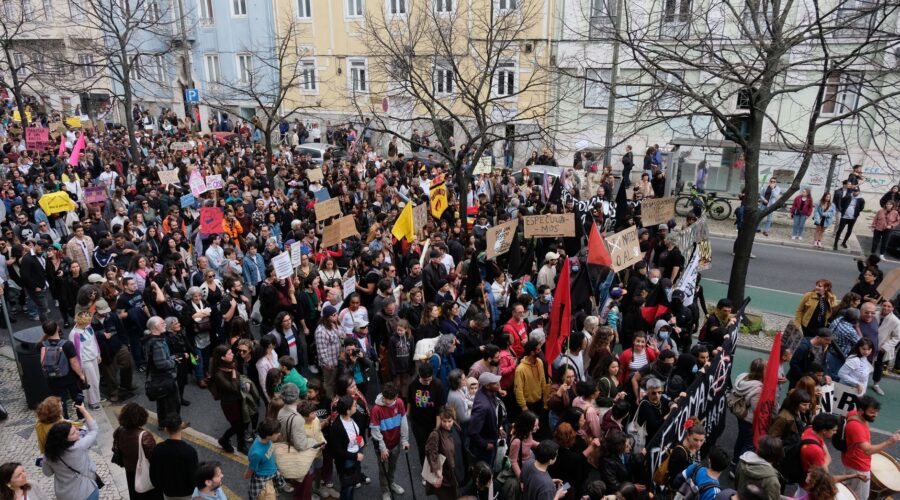
Lisbon Manifesto Demands Reparations for Slavery & Colonialism
Dozens of civil rights organizations and activist groups are calling on Portugal and its former colonial institutions to fulfill a “historical duty” by paying reparations for slavery and colonization. The demand is part of a sweeping manifesto to be unveiled this Saturday during the 3rd Grandi Marxa Cabral (Grand Cabral March) in Lisbon.
The “3rd Pan-Africanist Declaration of Lisbon,” titled “In Defense of the Land and for Life: Recognize, Repair, Decolonize,” is backed by 36 organizations, including SOS Racismo and the Amílcar Cabral Development Intervention Center. The manifesto argues that the wealth of many modern European economic giants and prominent families remains rooted in the exploitation of enslaved people and colonized territories.
Redefining Reparations
The signatories argue that reparations should extend beyond symbolic gestures to include material guarantees for marginalized communities. This includes ensuring the right to dignified housing, fair wages, public health, and education. The declaration also calls for the “regularization of all migrant people” and the redistribution of wealth through higher taxes on large fortunes.
“Reparation is a historical duty and a political responsibility of the states and institutions implicated in slavery and colonization,” the declaration states. It highlights the need to combat modern labor conditions that “sicken bodies and degrade mental health” in sectors heavily populated by migrant and Black workers, such as agriculture and construction.
Justice for the Ancestors
One of the most poignant demands in the manifesto is the return of African human remains currently held in Portuguese museums and scientific collections. Specifically, the groups are calling for the immediate return and burial of 158 individuals exhumed in Lagos.
“As long as our ancestors remain reduced to objects of study and locked in museum storage, we too will remain trapped in the holds of the world,” the document reads. “Their return to the earth is an imperative of justice and dignity.”
An Unfinished Revolution
The declaration asserts that “decolonization” is the most significant democratic task left unfulfilled by Portugal’s April 25 Revolution. The organizers claim that systemic racism continues to manifest in police brutality, the denial of nationality to Black people born in Portugal, and “policies of exception” in the peripheral neighborhoods of Lisbon.
The manifesto honors the memory of victims of state violence, such as Odair Moniz and Bruno Candé, and pays tribute to the “Black mothers who face obstetric violence and the removal of their children.”
The March Details
The 3rd Grandi Marxa Cabral honors Amílcar Cabral, the anti-colonial leader and “father” of independence for Cape Verde and Guinea-Bissau, who was born 100 years ago this month. The march is scheduled to begin at 2:30 PM at Marquês de Pombal, proceeding down Avenida da Liberdade to Largo de São Domingos, where the full declaration will be read during a collective performance.
Image: Pexels – Pedro Rebelo Pereira