José Maria Neves Set for Landslide Re-election in Cape Verde
José Maria Neves is on the brink of securing a second term as President of Cape Verde, holding a commanding lead in Sunday’s presidential elections. With 93% of polling stations reporting, the incumbent has captured 63.7% of the vote, positioning himself for a decisive first-round victory.
A Dominant Performance
Official data released late Sunday evening shows Neves, who is supported by the ruling African Party for the Independence of Cape Verde (PAICV), far outpacing his rivals. As of 9:30 PM local time, Neves had secured 78,254 votes—more than double the 38,835 votes garnered by his primary challenger, Joana Rosa.
Rosa, a former Minister of Justice backed by the opposition Movement for Democracy (MpD), currently sits in second place with 31.6% of the vote. The remaining four independent candidates—Gilson Alves, Casimiro Pina, Antero Tavares, and Loisito Sousa—have failed to gain significant traction, with each holding less than 1.5%.
Low Turnout Shadows the Results
While the mood at Neves’ campaign headquarters in Praia is jubilant, the election was marked by a sharp decline in voter participation. Abstention rates surged to 67.9%, a significant increase from the 52% recorded during the 2021 presidential elections. Out of approximately 419,400 registered voters, including 76,400 in the diaspora, only a minority cast their ballots.
Maintaining Tradition
If these results hold, Neves will continue a historical trend in the Atlantic archipelago: every president elected by universal suffrage in Cape Verde who has sought a second term has successfully been re-elected. Neves first won the presidency in 2021 with 51.8% of the vote.
Cape Verde, which gained independence from Portugal in 1975, is often cited as a model of democratic stability in Africa. This election was monitored by approximately 150 international observers representing six global organizations, ensuring the transparency of the process.
A Legacy of Democracy
Since the introduction of direct elections in 1991, Cape Verde has seen a peaceful rotation of power among its leaders. Neves is the fifth president in the nation’s history, following Aristides Pereira, António Mascarenhas Monteiro, Pedro Pires, and Jorge Carlos Fonseca.
With only 91 polling stations left to count, Neves is expected to address his supporters in the capital later tonight to claim victory.
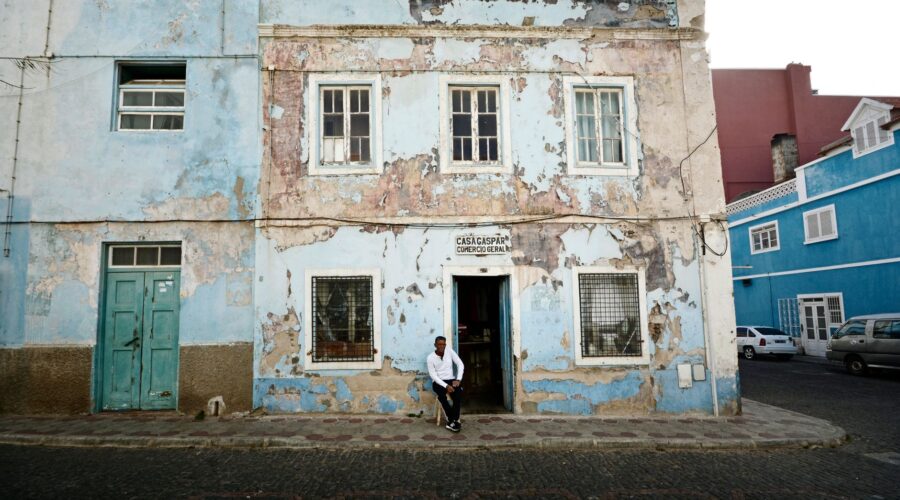
Image: Pexels – damien Saillet