Guinea-Bissau: The Transition That Never Ends After Coup
LISBON — Six months after a military coup derailed Guinea-Bissau’s democratic process, international observers are warning of a “transition that never ends.” A new report released by the Peace Research Institute Frankfurt (PRIF) highlights a landscape of deep uncertainty, where political manipulation and state repression have left the West African nation in a strategic limbo.
A Halted Election and a ‘Transitional’ Regime
The crisis began on November 26, 2025, when a self-styled “Military High Command” seized power just as the nation awaited the results of the November 23 general elections. The coup effectively nullified the vote, deposed President Umaro Sissoco Embaló, and installed General Horta Inta-a as the transitional head of state.
According to researchers Sophia Birchinger, Mamandin Indjai, and Johanna Mack, the military intervention served a specific purpose: preventing the announcement of election results. Exit polls and opposition claims suggested that Fernando Dias, the main challenger to President Embaló, was poised for a first-round victory with the backing of the historic PAIGC party.
Conspiracy or ‘Stage-Managed’ Act?
The narrative surrounding the coup remains fiercely contested. While the military claims they stepped in to thwart a “destabilizing conspiracy” involving politicians and drug traffickers, many locals and regional observers aren’t buying it. Critics have labeled the event a “staged act” or a “fake coup.”
A growing chorus of civil society voices and opposition leaders argue that the coup may have been orchestrated by the deposed Embaló himself. They suggest it was a “face-saving exit” designed to avoid an embarrassing electoral defeat and pave the way for a “reset” that would allow him to run again in new elections scheduled for December 6.
“Critics speak of a ‘slow coup,’ arguing that over the last six years, Embaló consolidated power by reshaping institutions and building a loyal ecosystem around him,” the PRIF researchers noted.
Life Under the Shadows
As the military targets a transition period lasting until December 2026, the situation on the ground is deteriorating. The PRIF report describes a climate of repression, police violence, and the methodical silencing of the media. This included the August 2025 expulsion of Portuguese media outlets, including Lusa and RTP, effectively creating an information vacuum.
“Under conditions of repression and uncertainty, both experts and ordinary people struggle to understand what is happening to them,” the researchers stated, noting that the national dialogue has effectively vanished from the government’s agenda.
An International Pariah
Guinea-Bissau currently remains suspended from major international bodies, including the African Union and the Economic Community of West African States (ECOWAS). The researchers warn that Guinea-Bissau is following a concerning regional pattern where transitional governments use political violence to manipulate public expectations and indefinitely prolong their stay in power.
To break this cycle, the report calls for an end to the normalization of political violence—citing the killing of activist Vigário Balanta—and demands an independent investigation into human rights abuses. Until a clear, internationally-monitored timeline for a return to constitutional rule is established, Guinea-Bissau remains trapped in a political purgatory that has become all too familiar in its post-independence history.
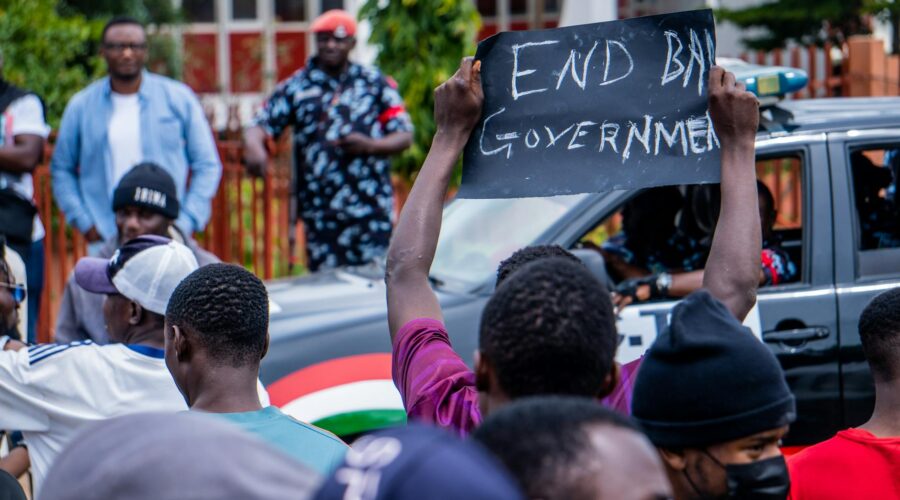
Image: Pexels – Dokun Ayano