
Fatal Hantavirus Outbreak Hits Cruise Ship: 3 Dead
The European Centre for Disease Prevention and Control (ECDC) has deployed a specialized expert to a cruise ship currently at the center of a deadly hantavirus outbreak, acknowledging that “many uncertainties” surround the infection’s spread. The agency has adopted a high-alert “precautionary approach” as it investigates the rare human-to-human transmission of the virus.
Fatalities and Infections Spark Urgent Response
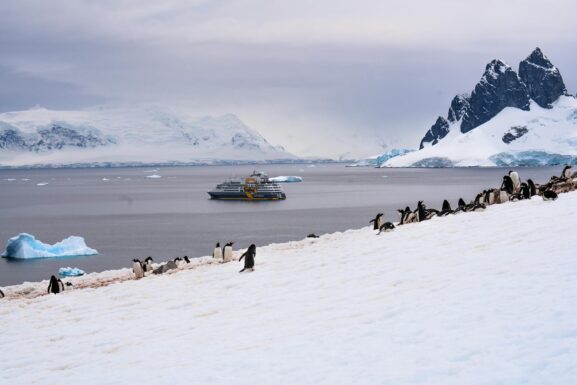
The MV Hondius, which was traveling from Ushuaia, Argentina, to the Canary Islands, has become a focal point for European health authorities after seven passengers reported severe symptoms, including fever and respiratory distress. Of those infected, four rapidly developed pneumonia and acute respiratory distress syndrome. To date, three people have died.
ECDC Director Pamela Rendi-Wagner confirmed that an expert is now on board the vessel to gather critical data and coordinate a public health response across multiple European nations. “It is important that we adopt a precautionary approach at this stage to reduce the likelihood of further transmission,” Rendi-Wagner stated.
The “Andes Strain” Theory
Authorities believe the outbreak may involve the Andes strain of hantavirus. While most hantaviruses are transmitted from rodents to humans, the Andes strain—found in South America—is the only one known to be capable of human-to-human transmission. Preliminary investigations suggest some passengers may have been exposed in Argentina before boarding, subsequently spreading the virus within the ship’s enclosed environment.
Because the vessel features shared social areas and close-quarters living, the ECDC is treating everyone on board as a “close contact” of the infected individuals. The ship was carrying 149 people from 23 different nationalities, including citizens from Portugal, Spain, Germany, France, and five other European countries.
Low Risk to General Public
Despite the fatalities on board, the ECDC emphasizes that the risk to the general European population remains “very low.” Officials do not expect a large-scale outbreak, noting that the nature of the contact required for infection and the strict control measures currently in place should limit further spread.
Hantaviruses are zoonotic diseases with no specific vaccine or antiviral treatment. Medical intervention is limited to supportive care, such as managing respiratory and renal complications. The Ordem dos Farmacêuticos (Pharmaceutical Society) noted that while hantaviruses are present worldwide, clinical outcomes vary significantly by geographical region and virus type.
Evacuation Plan Underway
The MV Hondius departed the waters near Praia, Cape Verde, on Monday afternoon and is currently en route to the Canary Islands. The voyage is expected to take three days. Upon arrival, the Spanish government and the European Civil Protection Mechanism will oversee the evacuation and repatriation of everyone on board under strict medical supervision.
Image: Pexels – Ushindi Namegabe