Casa de Pasto: The Social & Gastronomic Heart of Cape Verde
In the winding cobblestone streets of Mindelo or the bustling plateaus of Praia, a distinct aroma often drifts through the air: a heady mix of slow-cooked legumes, salted fish, and the sharp, clean scent of sugarcane grogue. If you follow this scent, you won’t always find a high-end restaurant or a tourist-ready café. Instead, you will likely find yourself at the threshold of a Casa de Pasto.
Literally translating to “Eating House,” the Casa de Pasto is far more than a simple eatery. It is a vital organsiation of Cape Verdean social architecture. These traditional gastronomic hubs serve as the heartbeat of local neighborhoods, acting as community centers, newsrooms, and family dining rooms all rolled into one. To understand the Casa de Pasto is to understand the very soul of Morabeza—the legendary Cape Verdean spirit of hospitality.
The Origins: From Necessity to Community
The history of the Casa de Pasto is rooted in the archipelago’s history of movement and labor. Historically, as workers moved from rural areas to urban centers like Porto Grande in São Vicente, they needed affordable, hearty meals that reminded them of home. Private homes often opened their doors to laborers, providing a “plate of the day” (prato do dia) for a modest price.
Unlike formal restaurants, which were historically reserved for the colonial elite or wealthy merchants, the Casa de Pasto was democratic. It was a space where the dockworker sat near the government clerk, and the musician shared a bench with the fisherman. Over decades, these establishments evolved from informal kitchens into the social anchors of the bairro (neighborhood).
The Gastronomic Soul: Simplicity at Its Best
You won’t find a leather-bound menu in a traditional Casa de Pasto. Often, the offerings are scrawled on a chalkboard or simply recited by the owner. The food served here is the definition of “comfort food”—unpretentious, nutritionally dense, and deeply reflective of Cape Verdean history.
The Queen of the Table: Cachupa
No Casa de Pasto exists without Cachupa. This slow-cooked stew of corn (hominy), beans, and whatever vegetables or meats are available is the national dish. In a Casa de Pasto, you will find Cachupa Refogada (fried version) served for breakfast, often topped with a fried egg and a side of local sausage (linguiça). For lunch, the Cachupa Rica (the “rich” version with various meats) takes center stage.
Daily Rituals: More than Just Stew
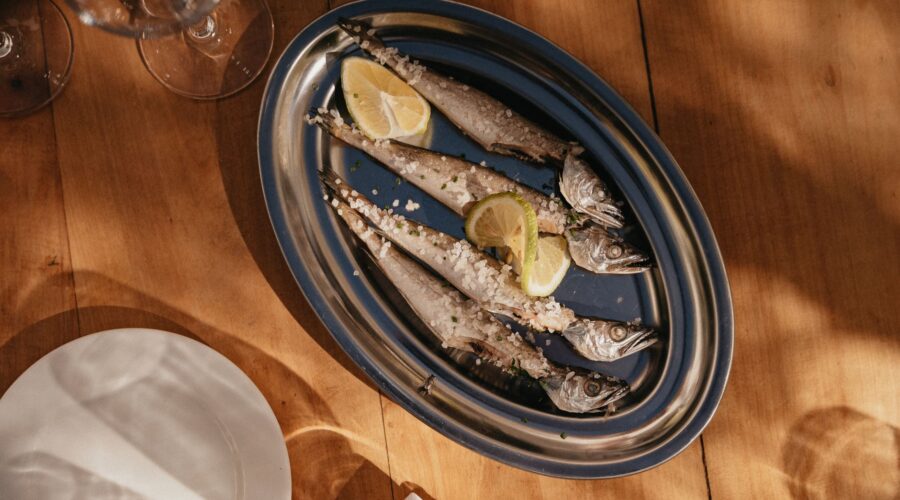
Beyond Cachupa, these hubs serve the daily staples of the Cape Verdean diet. You’ll find Peixe Grelhado (grilled fish) caught that very morning, Feijoada (bean stew), and Bacalhau (salt cod) prepared in various ways. These meals are almost always accompanied by “Arroz e Feijão” (rice and beans) or “Xerém” (pounded corn).
The food is prepared in large pots, meant to be shared. There is a sense of “pan-neighborhood” cooking; when you eat at a Casa de Pasto, you are effectively eating from the collective pot of the community.
The Social Essence: Where Life Happens
What differentiates a Casa de Pasto from a modern bistro is the social velocity of the space. In Cape Verdean culture, the “social” is not an afterthought; it is the main event. The Casa de Pasto serves several critical social functions:
The Neighborhood Newsroom
Before the internet—and still today in many circles—the Casa de Pasto is where one goes to find out what is happening. It’s where election results are debated, where the latest gossip from the diaspora is shared, and where football matches are analyzed with theatrical passion. The noise level is a rhythmic blend of the clatter of cutlery and the animated cadence of Crioulo.
A Stage for Morna and Coladeira
While the world knows Cesária Évora from grand concert halls, she began her journey in venues much like these. In the evenings, a Casa de Pasto often transforms. A guitar (violão) appears, then perhaps a cavaquinho. Someone begins to sing a Morna, the melancholic soul-music of the islands. This isn’t a “performance” for tourists; it is a spontaneous expression of communal emotion.
The ‘Grogue’ Ritual
The Casa de Pasto is also the primary venue for enjoying Grogue, the potent local rum made from sugarcane. The ritual of the “copinho” (a small shot) is essential to the experience. It serves as a social lubricant, a toast to health, and a bridge between the morning’s work and the afternoon’s rest.
The Casa de Pasto in the Modern Era
As Cape Verde becomes an increasingly popular tourist destination, particularly on islands like Sal and Boa Vista, the traditional Casa de Pasto faces new challenges and opportunities. In tourist-heavy areas, some establishments have polished their image, adding English menus and “modernizing” their interiors.
However, in islands like Santiago, Santo Antão, and São Vicente, the authentic Casa de Pasto remains resilient. Many young Cape Verdean entrepreneurs are reclaiming the “Casa de Pasto” label as a badge of cultural authenticity. They recognize that in an era of globalized fast food, the slow, communal, and culturally specific nature of the Eating House is a luxury.
Practical Tips for Travelers
If you are visiting Cape Verde and wish to experience an authentic Casa de Pasto, keep these tips in mind:
- Follow the Locals: The best ones don’t have websites. Look for hidden doors in the bairros where locals are filing in around 12:30 PM.
- Ask for the ‘Prato do Dia’: This is usually the freshest and most traditional meal of the day, and it is remarkably affordable (typically between 300 to 600 CVE).
- Embrace the Pace: This is not fast food. Expect to sit, wait, soak in the atmosphere, and perhaps strike up a conversation with your neighbor.
- Cash is King: Most traditional neighborhood spots will not accept credit cards.
Conclusion: The Heartbeat of the Archipelago
The Casa de Pasto is more than a restaurant; it is a vessel for Cape Verdean identity. It represents the survival of a people who turned simple grains and the day’s catch into a feast, and who believe that a meal is never just about calories—it’s about connection.
To sit in a Casa de Pasto, steam rising from a bowl of Cachupa while the sounds of the neighborhood swirl around you, is to touch the true essence of Cape Verde. It is here, among the clinking glasses of grogue and the laughter of neighbors, that the islands’ history is told and its future is debated, one plate at a time.
Image: Pexels – casa lalla takerkoust