Cape Verdeans in Berlin: Cultivating Morabeza in Germany
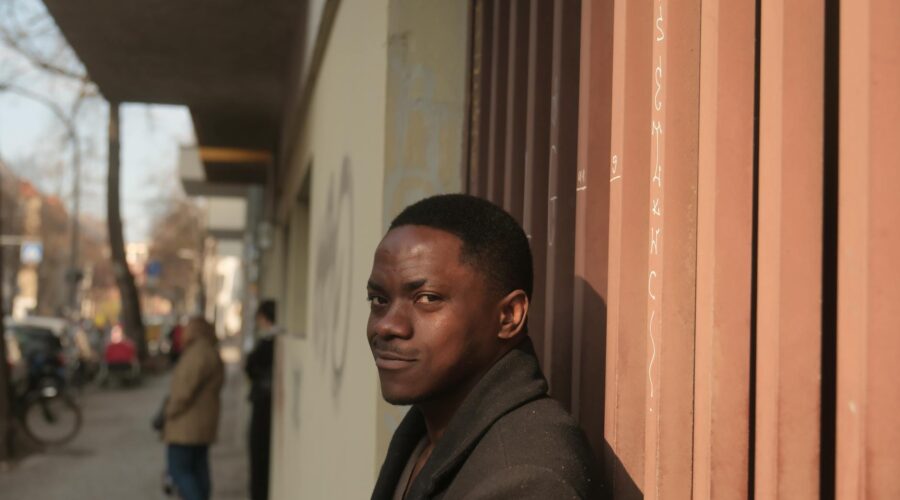
In the bustling heart of the German capital, a small but vibrant community is working to ensure that the spirit of “morabeza”—the legendary Cape Verdean hospitality—thrives far from the sunny shores of the Atlantic. The Association of Cape Verdeans in Berlin, founded in 2019, has become a vital lifeline for immigrants navigating the complexities of life in Germany.
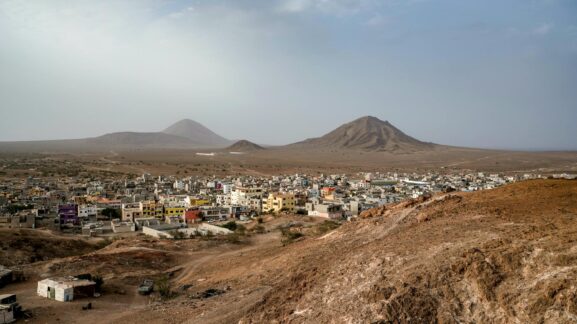
From Fogo to Berlin: Bridging Two Worlds
The association was born from the vision of diaspora members like Paulo Gomes. A native of Fogo Island who moved to Germany in 2016, Gomes now serves as the association’s president. His mission is clear: to help his compatriots bridge the gap between their island heritage and their new lives in Northern Europe.
“The intention is to help Cape Verdeans arriving in Berlin with the integration process, providing all necessary information,” Gomes told Lusa. “We also organize activities, mostly in the summer, to keep our community connected.”
Overcoming the ‘German Chill’
While Cape Verdeans in Berlin are described as highly integrated, the transition isn’t without its hurdles. Many residents now consider Germany their second home, yet they still face significant cultural and logistical shocks.
“The main difficulties are the weather, the lack of the sea, German bureaucracy, the language, and the struggle to find an apartment,” Gomes noted. Despite these challenges, the community is growing. While exact numbers are difficult to track because many Cape Verdeans hold Portuguese passports, Gomes estimates there are roughly 200 community members in Berlin, a number that continues to rise as people seek better economic opportunities.
A Culture of Solidarity
The association operates on three main fronts: integration support, cultural promotion, and community events. Despite its small size, the group is incredibly active, hosting celebrations for Cape Verde’s Independence Day on July 5th and organizing solidarity drives to send clothing and school supplies back to the islands.
“The community is very close-knit; we always have that ‘morabeza,'” Gomes said. “We want to be together, socialize, and help however we can, sharing our culture.”
Looking Toward the Future
As the community grows, so do its ambitions. Gomes dreams of establishing a physical “House of Culture” in Berlin to host exhibitions and permanent events, though he admits that the city’s high rents remain a significant barrier.
There is also a shifting tide in how Germans perceive the archipelago. “Before, almost no one knew where Cape Verde was,” Gomes observed. “Now, whether because of football or tourism, they are starting to know it and show real interest.”
According to the Cape Verdean government, the diaspora in Germany is increasingly characterized by younger, highly qualified generations. This evolution suggests that while the community in Berlin may be small, its influence and integration are deeper than ever, proving that “morabeza” can thrive even in the absence of the sea.
Image: Pexels – Tim Heckmann