Cape Verde Inmates Publish First Historic Book from Prison
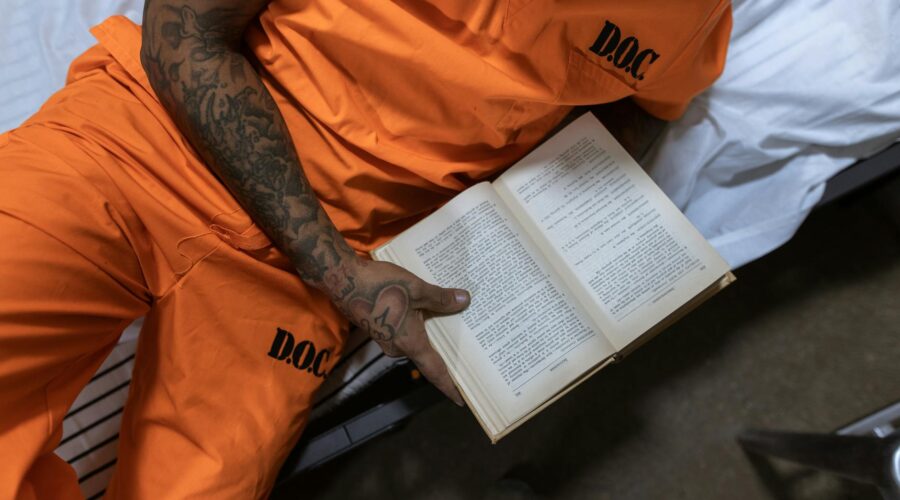
Forty-seven inmates at Cape Verde’s central prison have made literary history, collaborating to publish the first book ever written and produced behind bars in the archipelago. Titled Vozes Falam Por Trás Das Grades (“Voices Speak from Behind Bars”), the collection of short stories and personal reflections aims to provide a “true story” of life before and during incarceration.
A Path to Redemption Through the Pen
For many participants, the project has been transformative. Nickson Tavares, 34, who is serving a nine-year sentence and is just months away from release, used his chapter to document his final day of freedom—a memory dominated by a painful final conversation with his family before his arrest.
“This project changed how I look at life,” Tavares told Lusa in the prison courtyard. “It was like a seed planted in me that is now bearing fruit. I already have ten book titles in mind, and three are already finished.”
The emotional impact has extended beyond the prison walls. Tavares shared that his mother wept upon reading his work, telling him she felt a sense of pride she hadn’t experienced in years. His new goal is to become an internationally recognized author upon his release.
Two Sides to Every Story
Ana Rita Lopes, a 45-year-old Portuguese national serving a three-year sentence, saw the project as a rare opportunity to reclaim her narrative. A humanities graduate who grew up in a privileged environment, Lopes’ life took a dark turn involving violence and survival.
“Society usually condemns us and labels us,” Lopes said. “I finally had the opportunity to tell the story from behind the bars, which is the true story. The first side had already appeared—the one on Facebook and television—but a coin has two sides.”
Lopes has already completed her own full-length manuscript, a 155-page memoir titled A Woman Imprisoned in São Martinho. “Today I can die happy,” she said of her accomplishment.
A Tool for Social Reintegration
The project, which began in 2021, was designed not just as a creative outlet but as a pillar for social reintegration. Project coordinator Lena Marçal noted that many participants came from broken homes or grew up without parental support before falling into crime. She views the initiative as a “powerful and transformative weapon” and is advocating for its expansion to other islands in the Cape Verdean archipelago.
Even for those who entered the system with limited literacy, the project has been life-altering. Cleiton Costa, 33, learned to read and write while serving his six-year sentence. “I used to be involved with drugs and drinking,” Costa said. “But now I want to change because I write every day.”
Influencing Future Policy
Odair Pedro, Cape Verde’s Director-General of Prison Services, believes the book offers more than just personal catharsis. He noted that the inmates’ recorded trajectories provide invaluable data that could help shape future public policies and crime prevention strategies.
With a prison population of approximately 2,000 and a recidivism rate of 25%, Cape Verdean officials hope that by giving inmates a voice today, they are ensuring a more successful return to society tomorrow.
Image: Pexels – RDNE Stock project