Cape Verde Unveils €923M 2027 Budget & Travel Subsidies
The Cape Verdean government has officially submitted its 2027 State Budget proposal to parliament, totaling 101.7 billion escudos (€923.4 million). Described by officials as a balance between “caution and transformation,” the spending plan aims to insulate the archipelago from global price shocks while funding ambitious reforms in transportation, healthcare, and infrastructure.
A Shield Against Global Volatility
Addressing the budget’s “cautious” stance, Minister of Justice Clóvis Silva noted that the government remains wary of international fuel price fluctuations. To counter this, the government has allocated 1.2 billion escudos for price stabilization mechanisms.
“We believe things will improve, but if they don’t, we will reinforce other line items,” said Secretary of State for Finance Maria Lopes, emphasizing the administration’s readiness to adapt to shifting energy markets.
Lower Fares and Free Healthcare: The Transformation Agenda
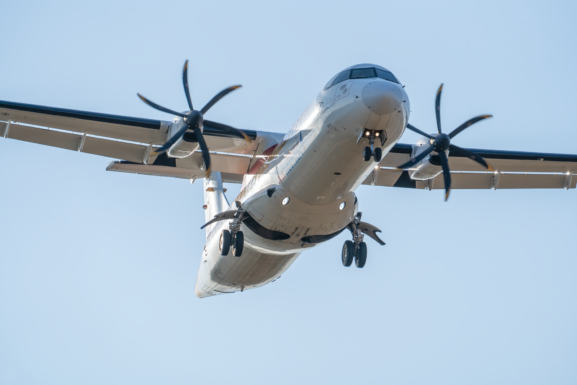
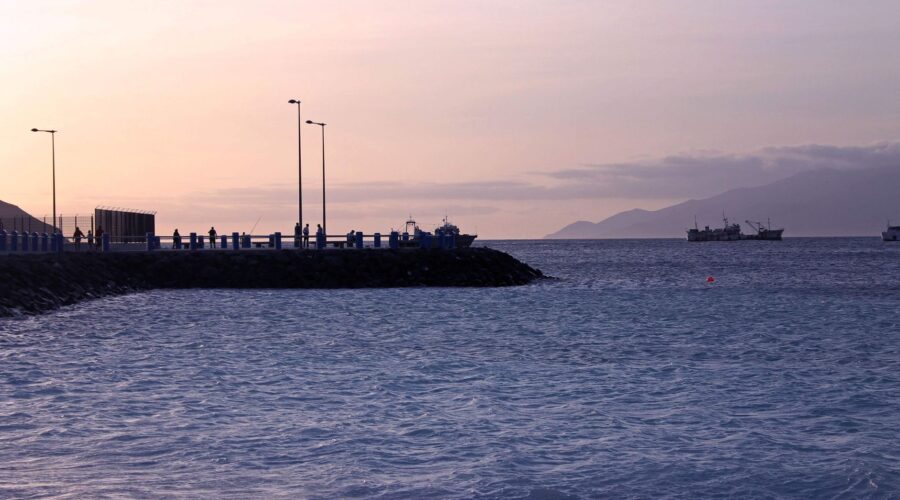
The “transformation” aspect of the budget focuses heavily on connectivity and social welfare. A major highlight for citizens is the introduction of subsidized inter-island travel starting in January 2027. Under the new proposal, boat tickets will be capped at 500 escudos, while domestic plane tickets will cost 5,000 escudos.
Beyond transportation, the budget pledges to expand access to free healthcare and implement new fiscal measures to support education and public service careers. These initiatives are part of the “Cape Verde for All” program, the cornerstone of the African Party for the Independence of Cape Verde’s (PAICV) legislative agenda following their victory in the May elections.
Economic Outlook and Fiscal Discipline
Despite geopolitical and economic uncertainties, the Ministry of Finance remains optimistic about the country’s growth. The 2027 budget is built on a projected real GDP growth of 5.6% and an annual inflation rate of 2%.
Crucially, the government is signaling a commitment to fiscal responsibility. Public debt is projected to drop significantly to 90.9% of GDP, down from 107.5% in 2025. While the budget forecasts a modest deficit of 1% (following a surplus in 2025), officials maintain this is a deliberate step toward consolidating public finances.
Strategic Priorities
The 2027 document rests on four strategic pillars:
- Access and Connectivity: Improving inter-island movement.
- Social Cohesion: Strengthening protection and healthcare.
- Sustainability and Governance: Managing resources responsibly.
- Security and Resilience: Protecting the nation against climate change and global shocks.
The government also highlighted the “blue economy,” energy transition, and digital transformation as key drivers for future inclusive growth, ensuring the nation remains resilient in an increasingly complex global landscape.
Image: Pexels – Ana Marta Jorge