Cape Verde Ranks 2nd in Africa for Child Welfare 2026
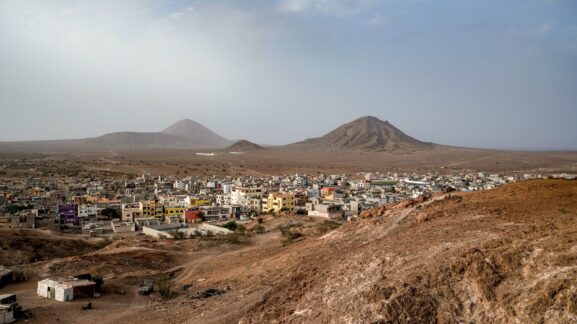
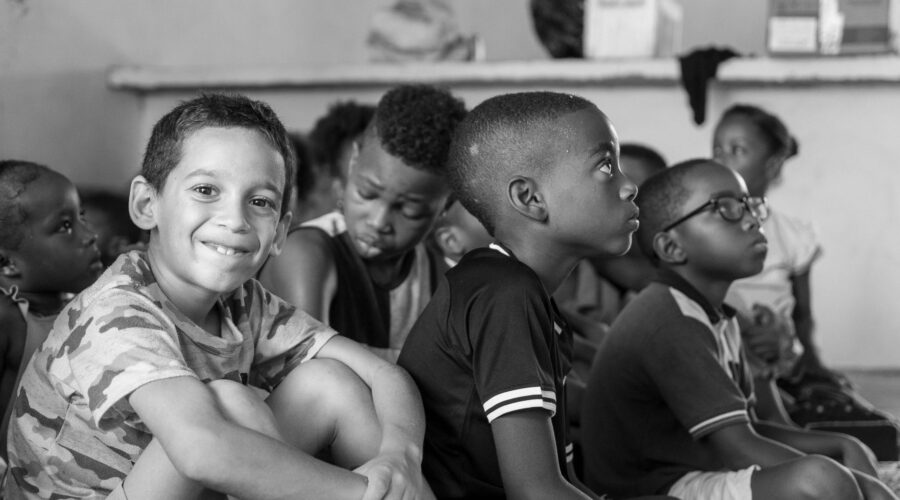
Cape Verde has emerged as a continental leader in child welfare, securing the second-place spot among 52 nations in the 2026 African Report on Child Well-being. Released today by the African Child Policy Forum (ACPF) in Addis Ababa, the report highlights a deepening divide in how Portuguese-speaking African countries (PALOP) prioritize their youngest citizens.
Top Performers and Rising Stars
The “Child Friendliness Index,” a metric established in 2008 to track how well governments meet their obligations to children, placed Seychelles at the top of the rankings. Cape Verde followed closely in second, outperforming Mauritius, South Africa, Tunisia, and Namibia.
Cape Verde’s ascent has been steady; the archipelago moved from fifth place in 2018 to fourth in 2023, finally reaching the silver medal position this year with a score of 0.8051. The ACPF attributed this success to robust legal frameworks and a significant allocation of national resources toward social services. However, the report noted a specific challenge for the island nation: it has a high rate of institutionalized children—204 per 100,000—well above the African average of 68.
The PALOP Rankings: A Mixed Bag
The performance of other Portuguese-speaking nations varied significantly across the continent:
- São Tomé and Príncipe (16th): Despite a slight dip from 2023, the nation has shown remarkable long-term progress, climbing 15 places since 2018.
- Angola (26th): The country is on a downward trend, falling from 18th place in 2018 to 26th this year, largely due to poor scores in essential service delivery.
- Equatorial Guinea (28th): One of the report’s “most improved,” jumping 13 spots since the 2023 evaluation.
- Mozambique (29th): Experienced a minor slip of four spots since 2023 but remains higher than its 2018 ranking.
- Guinea-Bissau (44th): Ranked as the worst performer among Portuguese speakers, the country fell five positions since 2023. While it scored moderately well in legal protection, its provision of essential services like healthcare and education remains critically low.
The Role of Family and Social Safety Nets
The report also examined the cultural fabric of child-rearing. In Guinea-Bissau, the ACPF found that 42% of households are multigenerational. This extended family structure acts as a vital safety net, allowing for shared resources and collective responsibility in raising children, even when government services fail.
Conversely, São Tomé and Príncipe’s ranking is notable for its high prevalence of households led by single mothers, suggesting that targeted social policies can support diverse family structures effectively.
A Call for Urgent Investment
Despite the success of top-tier nations, the ACPF issued a stark warning regarding the continent’s overall trajectory. Only 19.1% of Africa’s population currently accesses at least one social protection benefit. With rising inflation, regional conflicts, and persistent poverty, many families are struggling to provide basic care.
The organization is calling on all African governments to move beyond legal rhetoric and “strengthen funding for health, education, and social protection services.” The report emphasizes that the best-performing countries are those that not only pass laws but also invest the necessary capital to ensure those laws change lives on the ground.
Image: Pexels – Luis Morales Torres